
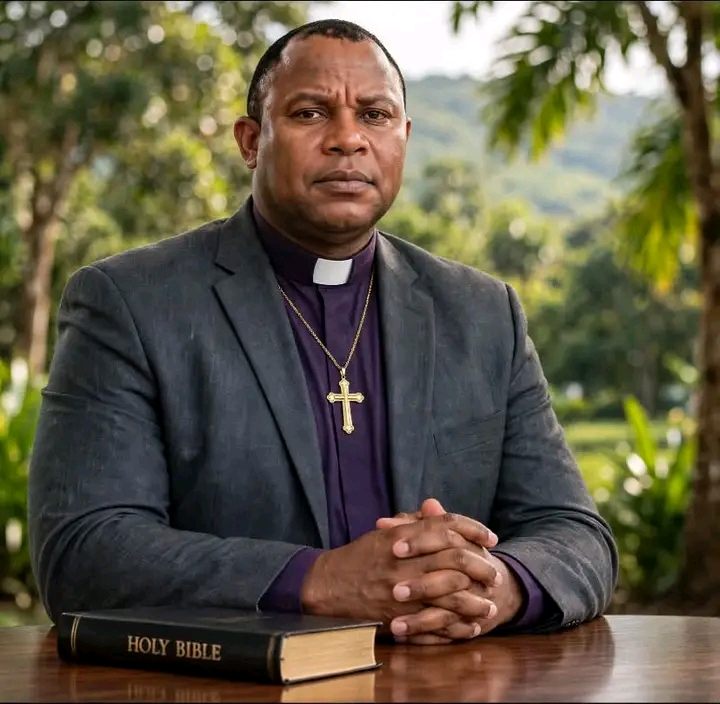
Emmanuel Jay Jay Banda Disappearance Zambia: Rights Demands Mount
Summary
- Hon. Emmanuel Jay Jay Banda disappeared on October 16, 2026, in Zambia.
- The Zambia Police Service, through its spokesperson, is reportedly involved in the matter.
- The incident has prompted urgent calls for truth, transparency, and justice.
- These demands are framed as both pastoral and constitutional, highlighting legal and societal concerns.
- Unanswered questions raise fundamental issues regarding human dignity and the rule of law in Zambia.
What Happened
When fundamental inquiries about justice, human dignity, and the adherence to the rule of law remain unanswered, it can erode confidence in governmental institutions.
The disappearance of Hon. Emmanuel Jay Jay Banda in Zambia has sparked significant public concern and calls for accountability. On October 16, 2026, the prominent figure went missing, an event that has since prompted urgent questions regarding his whereabouts and the circumstances surrounding his absence. The Zambia Police Service, through its spokesperson, Ms. [name not provided in source], has been identified as involved in the matter, though the precise nature of their involvement or any official statements from them are not detailed in the initial reports.
This incident involving Hon Emmanuel Jay Jay Banda missing has drawn attention to the need for clarity and official communication from authorities. The lack of immediate answers has fueled speculation and intensified the demand for transparency from the public and concerned parties. The date of the disappearance, October 16, 2026, marks a specific point in time from which fundamental questions about his status have arisen, placing the focus squarely on the actions and responsibilities of the state's law enforcement apparatus.
Legal and Constitutional Context
The situation surrounding the Emmanuel Jay Jay Banda disappearance Zambia is not merely a personal matter but has quickly escalated into a broader issue concerning Zambian constitutional rights and the rule of law. Demands for truth, transparency, and justice are being articulated, framed explicitly as both "pastoral and constitutional." This dual framing underscores the profound societal and legal implications of a political figure's unexplained absence.
Such calls highlight the expectation that the state, particularly the Zambia Police Service Banda, operates within established legal frameworks, ensuring due process and respect for individual liberties. The constitutional demand implies that citizens and political figures alike are entitled to protection under the law, and any perceived deviation from these principles warrants immediate and thorough investigation. The rule of law Zambia political figures' cases is particularly scrutinized, as it sets a precedent for how all citizens' rights are upheld.
Why It Matters
The unresolved questions surrounding Hon. Emmanuel Jay Jay Banda's disappearance carry significant weight for the nation's democratic health and public trust. When fundamental inquiries about justice, human dignity, and the adherence to the rule of law remain unanswered, it can erode confidence in governmental institutions. This particular case serves as a critical test of the state's commitment to protecting its citizens, especially those in public life.
The ongoing silence or lack of comprehensive information regarding the missing Hon Emmanuel Jay Jay Banda creates an environment where concerns about accountability and transparency can proliferate. The demand for truth and justice is not just about one individual; it reflects a broader societal expectation that all persons, regardless of their status, are afforded their constitutional rights and that law enforcement agencies operate with integrity. This incident, therefore, has far-reaching implications for the perception of governance and the protection of human rights within Zambia.
Practical Implications
Lawyers specializing in human rights and constitutional law in Zambia should monitor this case for implications regarding police accountability, due process, and the rights of political figures, especially concerning demands for transparency in investigations.
Source
How does this affect you?
Get an AI analysis of this article grounded in your jurisdictions, practice areas, and any policy documents you've uploaded to Wansom.
Finish Reading the Full Story and the Expert Analysis.
Wansom is AI and can make mistakes.