
New report
Briefly Africa Trade Law Report | September 2026
Includes 7 Malawi developments · 7 markets
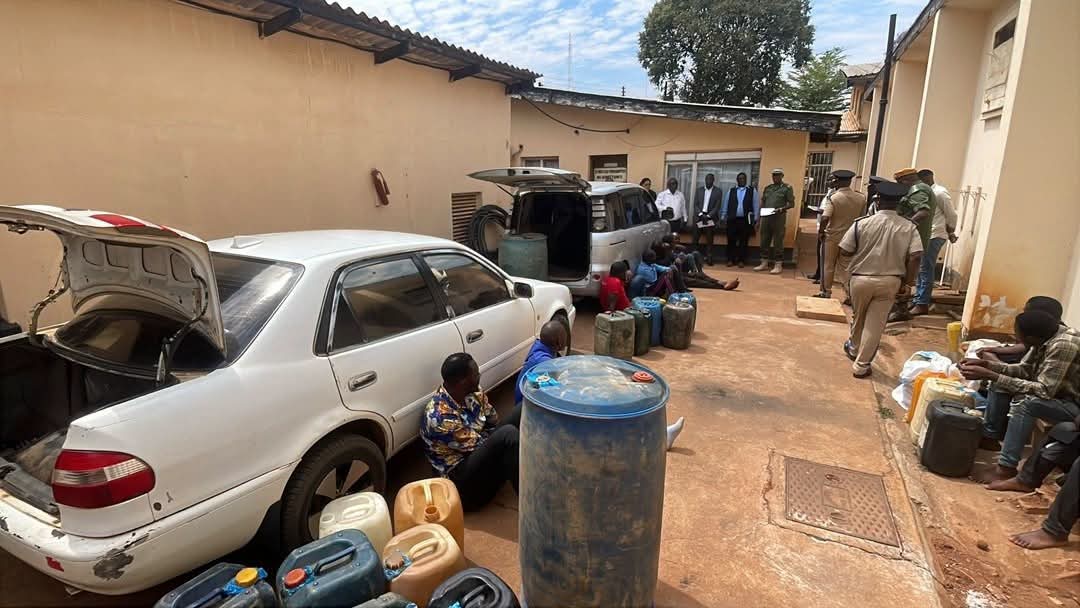
Zambian Police Arrest 19 Malawians in Fuel Smuggling Bust
Zambian police in Eastern Province recently apprehended 19 Malawian nationals allegedly attempting to smuggle over 5,400 litres of petrol across the border into Malawi, a significant bust confirmed by Eastern Province police commanding officer Robertson Mweemba. This incident highlights the severe economic pressures driving illicit cross-border trade, particularly concerning essential commodities like fuel, and underscores the robust enforcement efforts by Zambian authorities against such activities. The scale of the operation, involving a substantial quantity of fuel and multiple individuals, suggests a coordinated effort, rather than isolated acts, pointing to potential organized criminal elements exploiting regional supply chain vulnerabilities and price disparities.
This development carries considerable legal significance for practitioners, businesses, and the public across the Southern African region. For Zambia, it demonstrates the state's commitment to protecting its economic interests, securing its borders, and enforcing customs regulations, which can deter future smuggling attempts but also strain diplomatic relations if not handled carefully. For Malawi, the incident underscores the dire consequences of its ongoing fuel crisis, which is evidently incentivizing illegal activities and placing its citizens at legal risk in neighbouring jurisdictions. Businesses involved in cross-border logistics and trade must be acutely aware of the heightened scrutiny and potential legal ramifications of engaging, even inadvertently, with illicit networks. The case also brings to the fore the broader issue of regional economic stability and the challenges posed by informal economies that thrive on arbitrage opportunities created by national crises.
Legally, this matter falls primarily under Zambian customs and excise law. The Customs and Excise Act (Cap 322 of the Laws of Zambia) is the principal legislation governing the import, export, and transit of goods, with specific provisions addressing smuggling, evasion of duties, and prohibited goods. Offences under this Act can carry severe penalties, including substantial fines, forfeiture of goods and conveyances, and custodial sentences. Depending on the specifics of the alleged conspiracy or involvement, sections of the Penal Code (Cap 87) relating to general criminal offences might also be invoked. The Zambia Police Service, as the arresting authority, would work in conjunction with the Zambia Revenue Authority (ZRA) – Customs Division, which is responsible for enforcing customs laws. Prosecutions would typically be handled by the National Prosecutions Authority (NPA), with initial proceedings likely taking place in the Magistrates' Courts, given the nature of the charges. The involvement of foreign nationals also raises potential questions of consular access and, if convictions occur, prisoner transfer agreements.
For legal practitioners, particularly those advising clients engaged in cross-border trade or representing individuals facing charges in Zambia, this incident serves as a critical reminder. Zambian attorneys should be prepared to defend clients against serious charges under the Customs and Excise Act, understanding the evidentiary requirements for proving smuggling and the potential for asset forfeiture. Malawian practitioners should advise their clients on the severe legal risks associated with illegal cross-border activities, emphasizing the importance of adhering to all import/export regulations in both countries. Businesses operating regionally must conduct thorough due diligence on their supply chains and partners to ensure compliance and avoid any association with illicit trade. Monitoring regional economic indicators, such as fuel shortages, is crucial for identifying potential areas of increased enforcement and legal risk. The outcome of this specific matter, including charges laid and any subsequent convictions, is not yet reported, but the arrests themselves signal a firm stance by Zambian authorities.
How does this affect you?
Get an AI analysis of this article grounded in your jurisdictions, practice areas, and any policy documents you've uploaded to Wansom.
Finish Reading the Full Story and the Expert Analysis.
Get the latest legal & regulatory intelligence in Malawi
Wansom is AI and can make mistakes.