
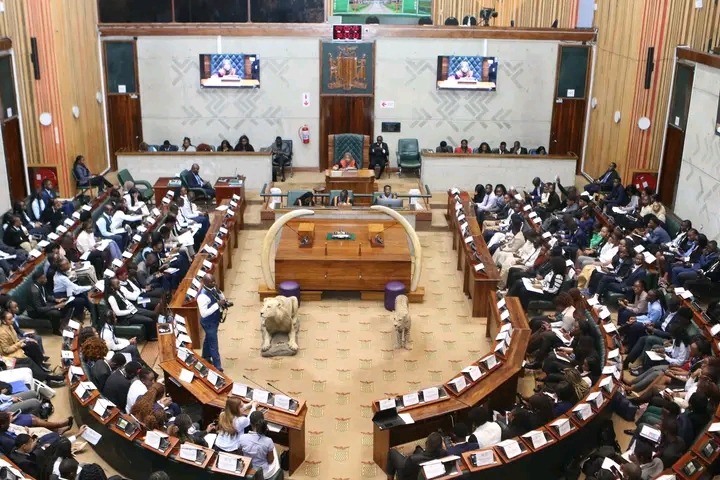
Zambian Parliament: New MPs Sworn In Today
In Zambia, Members of Parliament were scheduled to be sworn into office on Monday, 7th September 2026, following their election, as reported by the Zambian Observer.
The Zambian Observer published a partial list of the elected Members of Parliament, detailing their names, political affiliations (such as the United Party for National Development - UPND, and the National Restoration Party United Party - NRPUP), and the constituencies they represent. This event is a crucial procedural step in the formation of the legislative branch after a general election, formally inducting elected representatives into their constitutional roles. The swearing-in ceremony marks the official commencement of their duties and the establishment of a new parliamentary session.
This development carries profound legal significance for practitioners, businesses, and the public, as the swearing-in of Members of Parliament formally constitutes the National Assembly. This signifies the beginning of a new legislative cycle, during which new laws will be introduced, debated, and enacted, and existing statutes may be amended or repealed. Such legislative changes have direct and far-reaching implications across all sectors of the economy and society, affecting business operations, regulatory compliance, and individual rights. The composition of Parliament, as indicated by the political parties represented, also offers valuable insight into the prevailing political landscape and the potential policy directions of the incoming government, which can influence economic and social reforms.
The swearing-in ceremony is a constitutional imperative, primarily mandated by Article 72 of the Constitution of Zambia, which stipulates that Members of Parliament must take an oath or affirmation of allegiance and office before they can participate in parliamentary proceedings. Further procedural details regarding the conduct of parliamentary business are outlined in the National Assembly Act. The preceding electoral process is governed by the Electoral Process Act and overseen by the Electoral Commission of Zambia. While not directly mentioned in the excerpt, the Constitutional Court plays a vital role in adjudicating any electoral disputes that may arise before or after the swearing-in, ensuring the legitimacy of the parliamentary composition.
Key parties involved include the newly elected Members of Parliament, such as Clement Andeleki, Emmanuel Banda, Mustapher Banda, Pauline L. Banda, Elijah K. Biyete, and Daniel Bwalya, representing various constituencies and political parties. The National Assembly is the institution where these MPs will serve, and the Zambian Observer is the media outlet that reported this significant event. Attorneys should diligently monitor the legislative agenda of the newly constituted Parliament, anticipating the introduction of new bills and statutory instruments across various legal domains, including commercial law, tax regulations, labour laws, and sector-specific legislation. Businesses should proactively prepare for potential policy shifts and engage with legal counsel to understand the implications of new legislation on their operations. Legal professionals should also advise clients on the importance of parliamentary engagement and advocacy, particularly concerning proposed laws that may impact their interests, while also assessing the political stability and policy direction for strategic business planning and risk management.
How does this affect you?
Get an AI analysis of this article grounded in your jurisdictions, practice areas, and any policy documents you've uploaded to Wansom.
Finish Reading the Full Story and the Expert Analysis.
Wansom is AI and can make mistakes.