
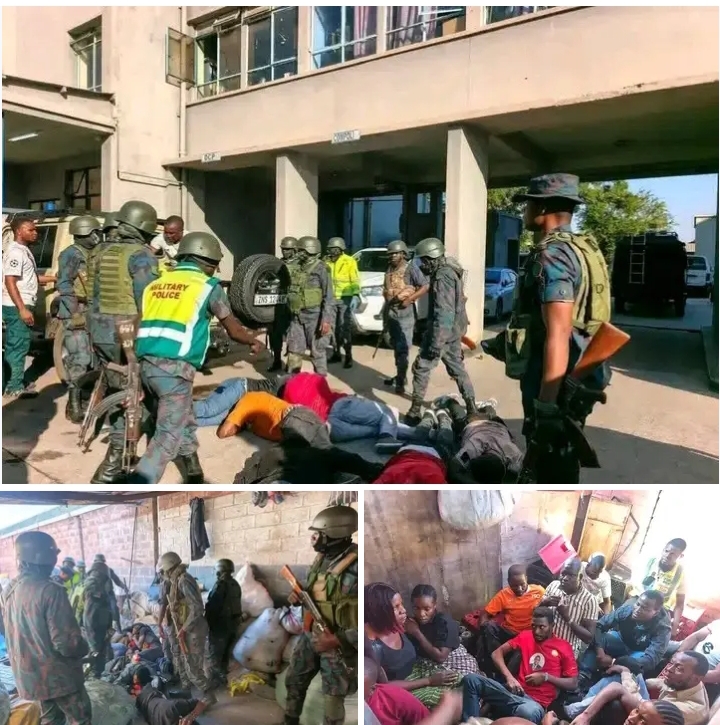
Zambian National Service: Troops Intervene in Lusaka Market Against Cadre Harassment
Summary
- Zambia National Service (ZNS) troops have been deployed to Lusaka's City and Soweto Markets.
- The deployment follows reports of cadres harassing, intimidating, and forcing traders to pay money.
- These illicit activities intensified in the aftermath of recent elections.
- The ZNS intervention aims to restore calm and security in the affected market areas.
ZNS Intervenes Amidst Market Unrest
The deployment of Zambia National Service market security personnel underscores the gravity of the situation and the government's recognition of the need to protect commercial interests.
The Zambia National Service (ZNS) has deployed troops to key commercial hubs in Lusaka, specifically the City and Soweto Markets, in response to escalating reports of illegal activities targeting traders. This intervention by ZNS troops aims to re-establish order and security within these bustling market environments, which have been plagued by post-election disturbances.
Reports indicate that market vendors have been subjected to a campaign of harassment and intimidation. Cadres, operating within these market spaces, have allegedly been forcing traders to make illicit payments, effectively holding them hostage through these demands for money. The deployment of the Zambia National Service is a direct response to these widespread complaints of trader harassment and the broader issue of ZNS Lusaka market cadre extortion, which has created significant instability for local businesses.
Post-Election Cadre Activities and Trader Vulnerability
The unrest at Lusaka's City and Soweto Markets is reported to have intensified in the aftermath of recent elections, a period often associated with heightened political tensions and shifts in local power dynamics. During this sensitive time, cadres have reportedly exploited the transitional environment to engage in activities that undermine the security and operational stability of market traders. The nature of these cadre activities in Lusaka businesses includes not only direct intimidation but also the systematic demand for money, creating an atmosphere of fear and financial burden for vendors.
This pattern of post-election market violence in Zambia highlights a recurring challenge for informal sector businesses. Traders, who often operate with limited legal protections, become particularly vulnerable to such illicit demands. The forced payments and general harassment by cadres represent a significant operational risk, impacting the livelihoods of countless individuals and the overall economic health of these vital market centers.
Implications for Market Security and Business Operations
The deployment of Zambia National Service market security personnel underscores the gravity of the situation and the government's recognition of the need to protect commercial interests. The presence of ZNS troops is intended to deter further instances of trader extortion in Zambia, a practice that not only harms individual vendors but also creates a perception of insecurity that can stifle economic activity. The challenge lies in ensuring a sustained environment where traders can conduct their business without fear of harassment or illegal financial demands.
Addressing the issue of cadres forcing traders to pay money is crucial for maintaining confidence in Lusaka's market economy. The incident at City and Soweto Markets serves as a stark reminder of the security challenges faced by businesses, particularly in informal settings, and the ongoing efforts required to safeguard them against illegal cadre activities and post-election unrest. The ZNS intervention is a critical step towards restoring the rule of law and ensuring that market operations can proceed without undue interference.
Practical Implications
This incident highlights the operational risks and security challenges faced by businesses, particularly in informal markets, due to post-election unrest and illegal cadre activities. Lawyers advising clients with market operations should assess potential security vulnerabilities and the government's capacity to protect business interests against extortion and harassment.
Source
How does this affect you?
Get an AI analysis of this article grounded in your jurisdictions, practice areas, and any policy documents you've uploaded to Wansom.
Wansom is AI and can make mistakes.