
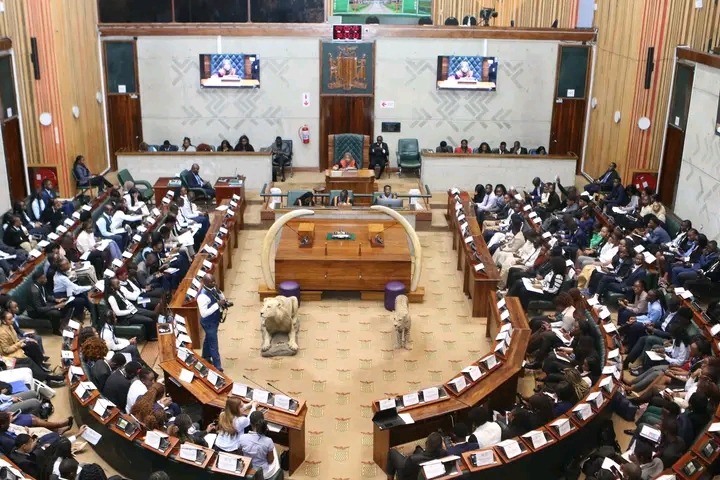
Zambian MPs Sworn In September 2026: New Legislative Term Begins
Summary
- New Members of Parliament in Zambia are scheduled to be sworn in on Monday, September 7, 2026.
- This ceremony formally initiates a new legislative term for the Zambia National Assembly.
- A partial list of incoming legislators included representatives from the United Party for National Development (UPND) and the National Restoration Party and Unity Party (NRPUP).
- The swearing-in is a critical constitutional step, enabling the new Parliament to commence its legislative duties.
- The new parliamentary session could introduce significant policy shifts and new legislation, impacting various sectors.
What Happened
The formal induction of Zambian MPs sworn in September 2026 carries substantial implications for various sectors, particularly for legal and compliance professionals.
The Zambian legislative landscape is set to undergo a significant transition with the formal swearing-in of new Members of Parliament (MPs) scheduled for Monday, September 7, 2026. This pivotal event marks the official commencement of a fresh legislative term, ushering in a new cohort of representatives to the Zambia National Assembly. The ceremony is a constitutional requirement, signifying the assumption of duties by elected officials and the activation of their mandate to serve their respective constituencies.
Among the individuals slated to take their oaths, a partial list identified several incoming legislators. For example, Clement Andeleki, representing the Kazungula North constituency, and Elijah K. Biyete from Mufulira, are both affiliated with the United Party for National Development (UPND). The National Restoration Party and Unity Party (NRPUP) also saw its members listed, including Mustapher Banda for Mkaika, Pauline L. Banda for Petauke, and Daniel Bwalya. This initial glimpse into the Zambian parliamentary composition for 2026 highlights the diverse political representation poised to shape the nation's future.
Legal Context
The swearing-in ceremony is more than a mere formality; it is a fundamental legal and constitutional step that empowers the new Zambian Parliament members 2026 to exercise their legislative authority. Upon taking their oath, MPs formally commit to upholding the Constitution and fulfilling their responsibilities, thereby activating the legislative branch of government. This process is essential for the legitimate functioning of the National Assembly, enabling it to deliberate on policy, enact laws, and provide oversight of the executive.
The official start of the Zambia legislative session 2026 is intrinsically linked to this swearing-in, as it paves the way for the election of the Speaker and Deputy Speakers, the formation of parliamentary committees, and the establishment of the legislative agenda. These foundational activities are critical for the effective operation of the parliamentary system, ensuring that the new government can begin to implement its mandate and address the pressing issues facing the nation. The integrity of this process underpins the rule of law and democratic governance in Zambia.
Why It Matters
The formal induction of Zambian MPs sworn in September 2026 carries substantial implications for various sectors, particularly for legal and compliance professionals. The new legislative term signals the potential for significant shifts in policy direction and the introduction of new statutory instruments. Lawyers and compliance officers must therefore closely monitor the incoming Parliament's agenda, paying particular attention to proposed legislation that could impact regulatory frameworks, business operations, or the interests of their clients.
The composition of the new Parliament, including the strength of different political parties like the UPND and NRPUP, will influence the legislative priorities and the likelihood of certain bills passing into law. Understanding the political landscape and the key players among the new Zambian Parliament members 2026 is crucial for anticipating changes in areas such as taxation, environmental regulations, labor laws, and corporate governance. Proactive engagement with these developments will be essential for ensuring adherence to evolving legal standards and mitigating potential risks for entities operating within Zambia.
Practical Implications
The swearing-in of new MPs in Zambia on September 7, 2026, signals the official commencement of the new legislative term. Lawyers and compliance officers should monitor the incoming Parliament's agenda for potential new legislation, policy shifts, and committee formations that could impact regulatory frameworks, business operations, or client interests.
Source
How does this affect you?
Get an AI analysis of this article grounded in your jurisdictions, practice areas, and any policy documents you've uploaded to Wansom.
Finish Reading the Full Story and the Expert Analysis.
Wansom is AI and can make mistakes.