
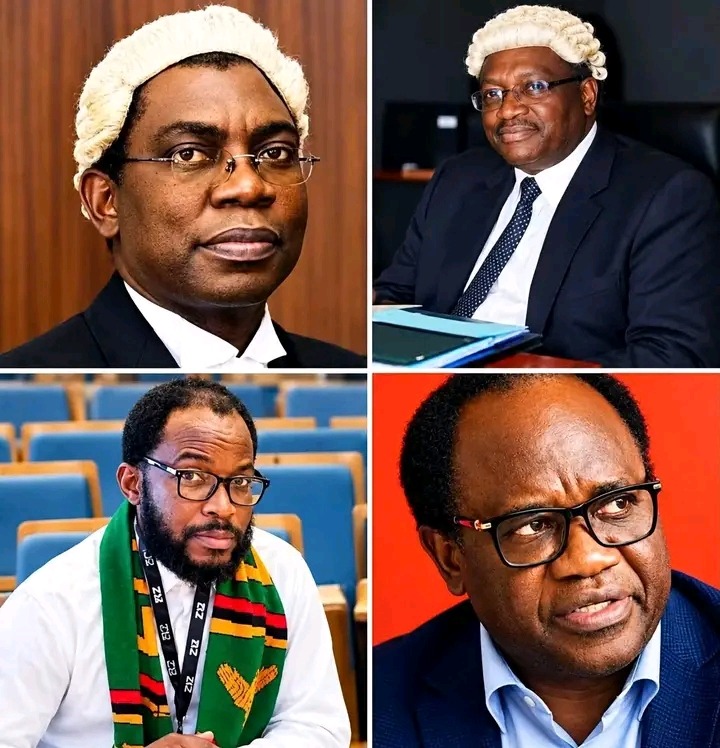
Zambia: Sakwiba Sikota Denied Access to Detained Mundubile, Zulu
Summary
- Prominent Zambian legal counsel, including State Counsel Sakwiba Sikota and State Counsel Chifumu Kingdom Banda, were denied access to their clients.
- The lawyers, along with EFF President Kasonde Mwenda, sought to visit incarcerated prominent opposition figure and 2026 presidential candidate Brian Mundubile and Vice President Makebi Zulu.
- This denial of access raises significant concerns about the right to legal representation for detainees in Zambia.
- The incident highlights potential infringements on due process and the effective administration of justice.
What Happened
This incident serves as a critical alert for lawyers in Zambia regarding potential infringements on the right to legal representation, especially for high-profile detainees.
On a recent occasion, prominent Zambian legal counsel, including State Counsel Sakwiba Sikota and State Counsel Chifumu Kingdom Banda, were reportedly prevented from meeting their clients. The incident saw these senior lawyers, alongside Kasonde Mwenda, who also serves as the President of the Economic Freedom Fighters (EFF), turned away from accessing incarcerated individuals. This denial of access specifically concerned prominent opposition figure and 2026 presidential candidate Brian Mundubile and Vice President Makebi Zulu, both of whom are currently detained.
The situation highlights a significant challenge regarding the fundamental right to legal representation for detainees in Zambia. The legal team, comprising highly respected figures in the Zambian legal community, was attempting to fulfill their professional duties by consulting with their clients. However, their efforts to engage with Mr. Mundubile and Mr. Zulu were unsuccessful, as access was explicitly denied.
This development means that Sakwiba Sikota was denied access to Mundubile and Zulu, a situation mirrored for his colleagues. The blocking of Brian Mundubile and Makebi Zulu's lawyers raises immediate questions about the procedural fairness afforded to those in custody and the operational environment for legal professionals in the country.
Legal Context
The right to legal representation is a cornerstone of justice systems globally, including in Zambia. It ensures that individuals, particularly those deprived of their liberty, can receive advice, prepare their defense, and have their interests protected. Denying a detainee access to a lawyer, especially when that lawyer is State Counsel Sakwiba Sikota or State Counsel Chifumu Banda, represents a serious potential infringement on these fundamental rights.
International and domestic legal frameworks typically guarantee that an arrested or detained person has the right to communicate with and be visited by a legal practitioner of their choice without undue delay. This provision is crucial for upholding due process and preventing abuses of power. When detainee access to a lawyer in Zambia is obstructed, it can undermine the integrity of the investigative and judicial processes.
The involvement of State Counsel, a title bestowed upon senior lawyers for their distinguished service and expertise, further underscores the gravity of this denial. Their inability to meet with clients like Brian Mundubile and Makebi Zulu suggests a potential disregard for established legal protocols concerning the right to legal representation in Zambia. Such actions can set a concerning precedent for the treatment of all detainees, regardless of their public profile.
Why It Matters
This incident serves as a critical alert for lawyers in Zambia regarding potential infringements on the right to legal representation, especially for high-profile detainees. The reported blocking of Brian Mundubile and Makebi Zulu's lawyers, including State Counsel Sakwiba Sikota and Chifumu Banda, underscores the necessity for constant vigilance within the legal community. Such barriers to client access could significantly impact due process and the effective administration of justice, potentially compromising the fairness of any subsequent legal proceedings.
The ability of legal counsel to consult privately with their clients is paramount for preparing a robust defense and ensuring that all legal avenues are explored. When State Counsel Sakwiba Sikota and Chifumu Banda, alongside Kasonde Mwenda, are denied this basic interaction, it raises concerns not only for the immediate clients involved but for the broader legal landscape. It highlights a need to monitor and potentially challenge such restrictions, which could otherwise erode public trust in the justice system.
Ensuring unfettered access to legal counsel is not merely a procedural formality; it is a fundamental safeguard against arbitrary detention and a prerequisite for a fair trial. The implications of denying lawyers like Sakwiba Sikota access to Mundubile and Zulu extend beyond the individuals concerned, signaling a potential weakening of protections for all citizens under the law. This situation calls for a robust defense of legal professional privileges and the rights of the accused.
Practical Implications
This incident serves as a critical alert for lawyers in Zambia regarding potential infringements on the right to legal representation, especially for high-profile detainees. It underscores the need to monitor and potentially challenge barriers to client access, which could impact due process and the effective administration of justice.
Source
How does this affect you?
Get an AI analysis of this article grounded in your jurisdictions, practice areas, and any policy documents you've uploaded to Wansom.
Finish Reading the Full Story and the Expert Analysis.
Wansom is AI and can make mistakes.