
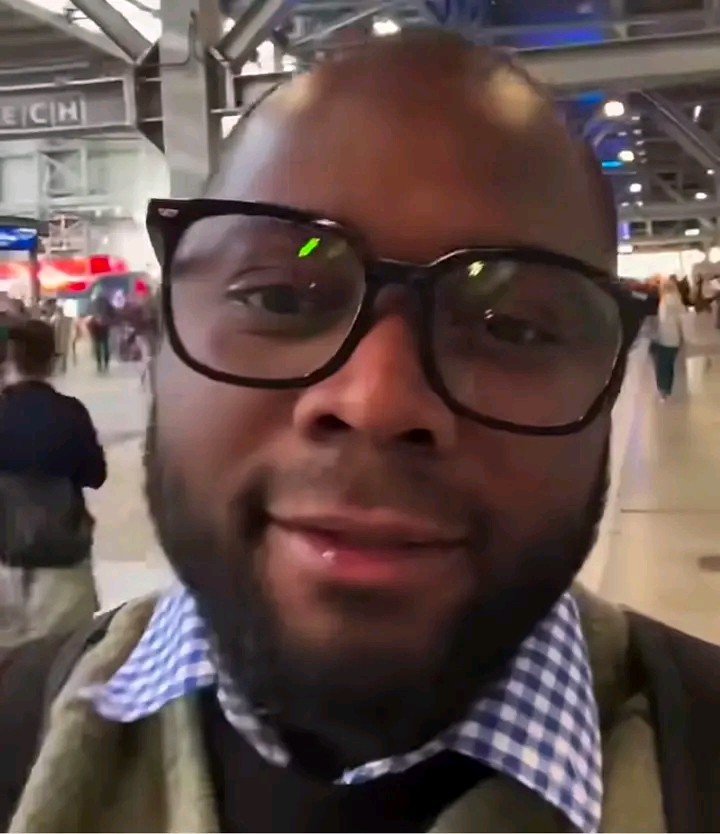
Zambia: Charles Kakula Passport Cancellation Denies Entry to Tanzania
Summary
- Zambian activist Charles Kakula was denied entry into Tanzania at Julius Nyerere International Airport.
- He discovered his passport had been canceled upon arrival, preventing his travel to St. Augustine University of Tanzania.
- Kakula, who was traveling to a university owned and managed by the Catholic Church, has since returned to Europe.
- The incident raises concerns about due process and freedom of movement for politically active individuals in Zambia.
- He shared his experience on the EMV Breakfast Show after the travel denial.
Travel Interrupted: Passport Cancellation Discovered at Airport
The Charles Kakula passport cancellation in Zambia brings into focus the legal provisions governing the issuance and revocation of travel documents within the country.
Zambian activist Charles Kakula recently recounted a significant travel disruption, detailing how he was denied entry into Tanzania after discovering his passport had been canceled. The incident occurred upon his arrival at Julius Nyerere International Airport, where authorities informed him of the invalidity of his travel document. This unexpected turn of events prevented him from proceeding with his intended journey.
Mr. Kakula had been en route to St. Augustine University of Tanzania (SAUT), an institution owned and managed by the Catholic Church. His travel plans were abruptly halted by the discovery of the passport cancellation, which he learned about only at the point of entry. Following the denial, the activist has since returned to Europe, where he shared the details of his ordeal during an appearance on the EMV Breakfast Show.
The Activist's Ordeal and Freedom of Movement
The experience of Charles Kakula highlights the precarious position of activists whose freedom of movement can be curtailed through administrative actions such as passport revocation. As a known Zambian activist, the cancellation of his passport without prior notification or clear explanation raises questions about the due process afforded to citizens, particularly those who are politically active. Such actions can effectively ground individuals, preventing them from engaging in international activities, studies, or advocacy.
The denial of entry at Julius Nyerere International Airport due to a canceled passport underscores a significant challenge for individuals like Kakula. The inability to travel not only impacts personal plans, such as attending university, but also has broader implications for their work and ability to participate in global discourse. This incident serves as a stark reminder of the potential for state actions to restrict an individual's fundamental right to movement.
Legal Framework and Due Process Concerns in Zambia
The Charles Kakula passport cancellation in Zambia brings into focus the legal provisions governing the issuance and revocation of travel documents within the country. Passport revocation grounds in Zambia typically involve specific legal criteria, and the process is expected to adhere to principles of natural justice, including notification and an opportunity for the affected individual to be heard. However, Mr. Kakula's account suggests he was unaware of the cancellation until he attempted to use the document for international travel.
This situation underscores the importance for legal practitioners to thoroughly understand the legal framework surrounding passport cancellations and travel restrictions in Zambia. For lawyers advising clients, especially those who are politically active or may face similar state actions, knowledge of due process requirements and avenues for redress is crucial. The incident involving the Zambian activist's passport revoked status at the Tanzanian border highlights the need for vigilance regarding the protection of freedom of movement and the right to due process in administrative actions affecting citizens.
Practical Implications
This incident underscores the importance for lawyers to understand the legal framework and due process surrounding passport cancellations and travel restrictions in Zambia. This knowledge is crucial for advising clients who may be politically active or face similar state actions impacting their freedom of movement.
Source
How does this affect you?
Get an AI analysis of this article grounded in your jurisdictions, practice areas, and any policy documents you've uploaded to Wansom.
Finish Reading the Full Story and the Expert Analysis.
Wansom is AI and can make mistakes.