
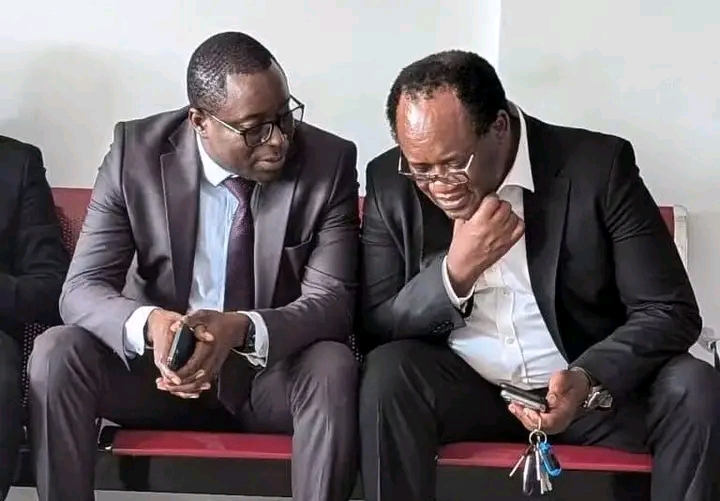
Zambia Treason Cases History: A Consistent Tool Against Political Opposition
Summary
- Zambian governments, including UNIP, MMD, PF, and UPND, have consistently used treason charges.
- These severe legal accusations have been directed against political opponents across all administrations.
- Despite these prosecutions, the underlying will of the citizens cannot be permanently suppressed.
A Persistent Historical Trend
The belief that charging and arresting individuals for treason can halt broader societal movements or political shifts is ultimately misguided, as the underlying desires of the populace tend to persist.
Zambia's political landscape has been consistently marked by the deployment of treason charges against political adversaries, a practice observed across every administration since the nation's independence. This enduring pattern forms a significant part of Zambia's treason cases history, revealing a continuity in the methods used by those in power to address perceived threats to their authority. From the era of the United National Independence Party (UNIP) through the Movement for Multi-Party Democracy (MMD), the Patriotic Front (PF), and extending into the current United Party for National Development (UPND) government, the use of these severe accusations against opposing political figures has remained a constant feature.
This historical trajectory underscores a deep-seated tendency within Zambian politics to resort to the most serious national security offenses as a means of managing political dissent and consolidating power, irrespective of the specific party holding the reins of government. The consistent application of such grave charges against those who challenge the ruling party highlights a recurring theme in the nation's political development.
The Instrument of State Power
The evolution of Zambian treason law, particularly its practical application, demonstrates a consistent strategy employed by successive governments. Each ruling party, including UNIP, MMD, PF, and UPND, has utilized the legal framework surrounding treason to initiate prosecutions against individuals identified as political opponents. This repeated reliance on such a potent legal instrument suggests that political treason prosecutions in Zambia are not isolated incidents but rather a systemic approach adopted by various administrations.
The gravity of treason charges, which imply a betrayal of the state, provides a powerful tool for governments seeking to neutralize opposition. This historical continuity in the deployment of these charges against political rivals illustrates how a specific legal mechanism has been consistently leveraged across different political epochs to serve the interests of the incumbent regime. The pattern indicates a deeply ingrained approach to managing political challenges through judicial means, making the history of sedition in Zambia, broadly understood as actions against the state, a critical area of study for understanding the nation's political dynamics.
The Enduring Will of the Citizenry
Despite the consistent application of treason charges and the subsequent arrests of political opponents by successive Zambian regimes, a fundamental oversight has been noted regarding the ultimate efficacy of such measures. The historical record suggests that while governments, from UNIP to MMD, PF, and UPND, have frequently resorted to these severe actions, they often fail to recognize that the will and aspirations of the citizens cannot be permanently suppressed through legal or punitive means. This perspective highlights a crucial aspect of why this pattern matters: the inherent limitations of state power in quelling popular sentiment.
The belief that charging and arresting individuals for treason can halt broader societal movements or political shifts is ultimately misguided, as the underlying desires of the populace tend to persist. This enduring observation suggests that while political treason prosecutions in Zambia may temporarily remove adversaries, they do not fundamentally alter the trajectory of public opinion or the broader political landscape, underscoring a critical lesson from Zambia's treason cases history.
Practical Implications
Lawyers advising clients in Zambia, particularly those involved in political activities or facing charges related to national security, should be acutely aware of the historical pattern of treason charges being used against political opponents. This historical context is crucial for understanding potential motivations behind such prosecutions and for developing robust defense strategies that address both legal merits and political realities.
Source
How does this affect you?
Get an AI analysis of this article grounded in your jurisdictions, practice areas, and any policy documents you've uploaded to Wansom.
Finish Reading the Full Story and the Expert Analysis.
Get the latest legal & regulatory intelligence in Zambia
Wansom is AI and can make mistakes.