
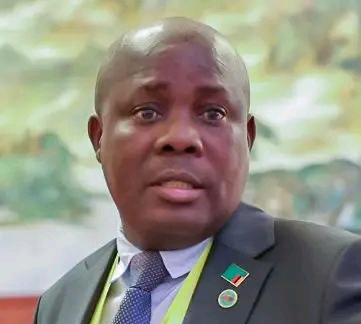
Zambia State House: Rejects 2026 Election Inquiry Commission
Summary
- Zambia's State House has ruled out creating a commission of inquiry for the 2026 general election.
- The proposed commission was intended to address potential political tensions and grievances arising from the polls.
- State House Chief Communications Specialist Clayson Hamasaka confirmed the decision, citing concerns that such a commission would place an unspecified burden.
- This means alternative Zambia electoral dispute mechanisms will be the primary avenues for resolving 2026 election-related issues.
- The decision impacts how future Zambian 2026 general election grievances will be formally investigated and resolved.
State House Rejects Inquiry Proposal
Lawyers advising on Zambian electoral matters should note that formal government-initiated commissions of inquiry will not be available for 2026 election grievances, necessitating a focus on alternative legal or dispute resolution avenues for clients.
The Zambian State House has definitively ruled out the formation of a commission of inquiry to investigate alleged political tensions and grievances that may arise from the upcoming 2026 general election. This announcement signals a clear stance from the nation's highest office regarding how potential post-election disputes will be handled, emphasizing a preference for existing or alternative channels over a specially constituted investigative body.
Clayson Hamasaka, serving as the Chief Communications Specialist for State House, conveyed this position. His statement underscores the government's perspective that establishing such a commission would place an unspecified burden or precedent, indicating a deliberate decision to avoid this particular mechanism for addressing future electoral concerns. The rejection specifically targets the idea of a formal, government-initiated inquiry into the outcomes or processes of the next national polls.
Context of Electoral Grievances
The discussion around a potential commission of inquiry emerged in anticipation of possible Zambian 2026 general election grievances. Historically, electoral periods can be fraught with disputes, allegations of irregularities, and heightened political tensions. A commission of inquiry is typically a powerful tool, often established by a head of state, to investigate matters of public importance, gather evidence, and make recommendations, thereby offering a formal avenue for truth-finding and accountability.
However, the State House's decision means that this specific, high-level investigative route will not be available for resolving any disputes stemming from the 2026 elections. This necessitates a closer look at other established Zambia political dispute resolution and Zambia electoral dispute mechanisms that are already in place or could be utilized by aggrieved parties following the polls.
Implications for Dispute Resolution
The clear declaration from the State House, articulated through Clayson Hamasaka, that a Commission of Inquiry for Zambia elections will not be established for 2026 electoral grievances carries significant implications for political actors and legal practitioners. It indicates that any parties with concerns or disputes related to the election results or process will need to rely solely on existing legal frameworks and established electoral dispute mechanisms.
Lawyers advising on Zambian electoral matters should note that formal government-initiated commissions of inquiry will not be available for 2026 election grievances, necessitating a focus on alternative legal or dispute resolution avenues for clients. This directive from the Zambia State House rejects 2026 election inquiry as a viable path, thereby shaping the landscape for how post-election challenges will be addressed and resolved within the country's legal and political systems.
Practical Implications
Lawyers advising on Zambian electoral matters should note that formal government-initiated commissions of inquiry will not be available for 2026 election grievances, necessitating a focus on alternative legal or dispute resolution avenues for clients.
Source
How does this affect you?
Get an AI analysis of this article grounded in your jurisdictions, practice areas, and any policy documents you've uploaded to Wansom.
Finish Reading the Full Story and the Expert Analysis.
Get the latest legal & regulatory intelligence in Zambia
Wansom is AI and can make mistakes.