
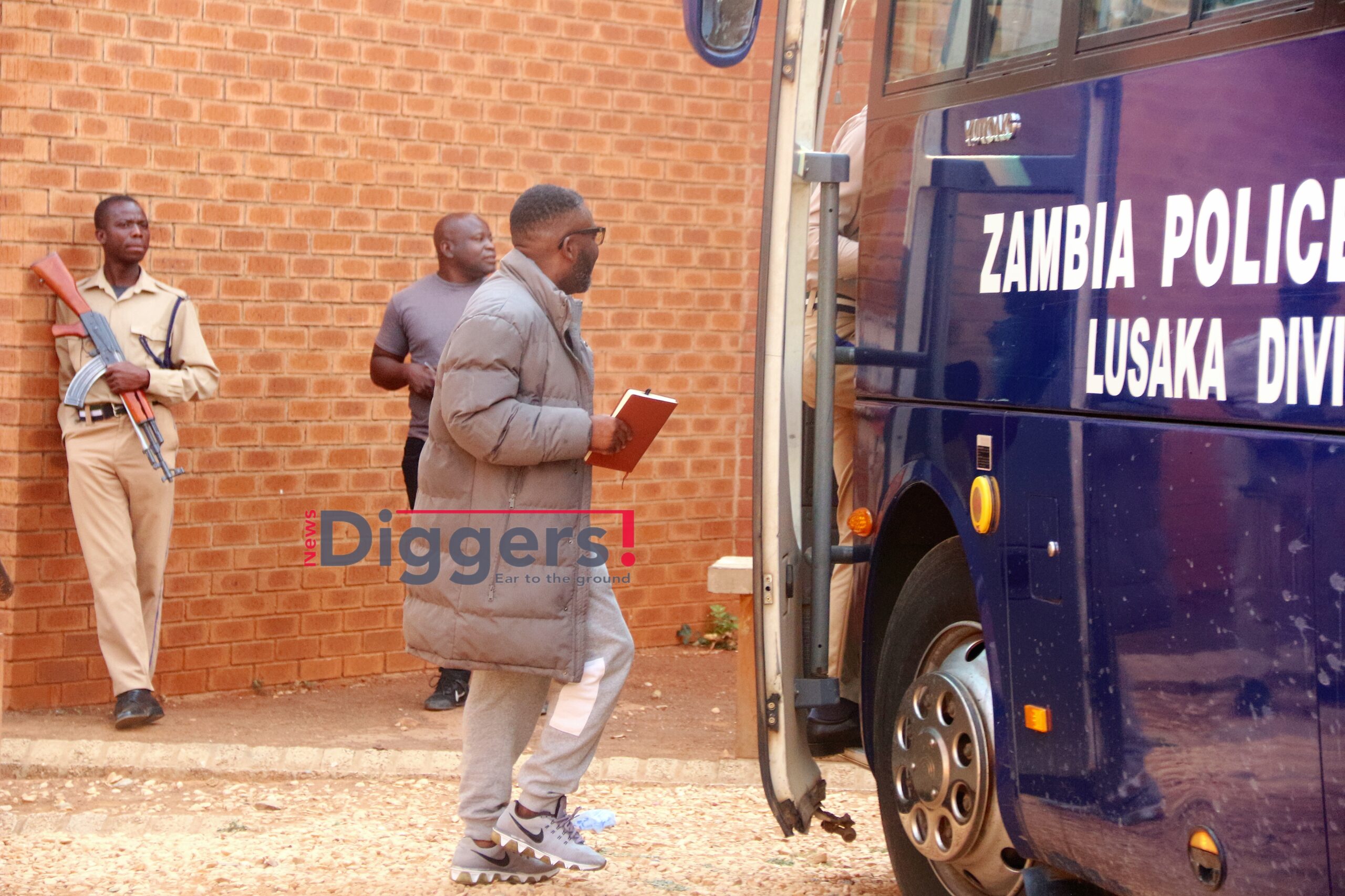
Lusaka High Court: State Closes Guntila Muleya Case
Summary
- The Lusaka High Court is set to rule on January 26, 2027, regarding whether four accused individuals have a case to answer in the Guntila Muleya murder trial.
- This decision follows the State's formal closure of its case against the defendants, which includes Francis Chipyoka, aged 42.
- Guntila Muleya previously served as the Director-General of the Independent Broadcasting Authority (IBA).
- The upcoming Lusaka High Court ruling will determine if sufficient evidence has been presented to compel the accused to mount a defense.
The Latest Development
The Lusaka High Court ruling, scheduled for January 26, 2027, will therefore be a critical assessment of the prosecution's entire evidentiary effort.
The Lusaka High Court is poised to deliver a crucial decision in the high-profile murder trial concerning Guntila Muleya, the former Director-General of the Independent Broadcasting Authority (IBA). This significant procedural step follows the recent conclusion of the prosecution's presentation of evidence, marking the point where the State has officially closed its case against the four individuals accused in connection with Muleya's death. Among those facing charges is Francis Chipyoka, who is 42 years old.
This development sets the stage for the court to determine whether the prosecution has established a sufficient evidentiary foundation to require the defendants to present a defense. The upcoming ruling is a pivotal moment in the ongoing legal proceedings, which have drawn considerable attention across Zambia. The court's decision will directly impact the trajectory of the IBA boss murder trial Zambia, moving it either towards a defense presentation or a potential acquittal at this juncture.
Understanding the 'Case to Answer' Stage
The concept of a "case to answer" is a fundamental aspect of criminal jurisprudence in Zambia and many other common law jurisdictions. At this stage, the court evaluates whether the evidence presented by the prosecution, taken at its highest, is capable of supporting a conviction. If the court finds that the State has failed to present such evidence, the accused persons may be acquitted without needing to call any witnesses or provide their own testimony. Conversely, if a case to answer is found, the burden shifts to the defense to respond to the allegations.
The Lusaka High Court ruling, scheduled for January 26, 2027, will therefore be a critical assessment of the prosecution's entire evidentiary effort. This procedural milestone ensures that individuals are not subjected to the rigors of a full defense if the initial evidence against them is inherently weak or insufficient. For legal observers and practitioners, the outcome of this "case to answer Zambia" determination will offer valuable insights into the court's application of evidentiary standards in complex criminal matters.
Implications for the Guntila Muleya Trial
The impending decision in the Guntila Muleya trial update carries substantial weight for all parties involved. Should the court rule that the accused have no case to answer, it would signify a premature end to the trial for the four defendants, including Francis Chipyoka, on the murder charge. Such an outcome would underscore significant challenges in the prosecution's evidence gathering or presentation.
Conversely, a finding that a case to answer exists would compel the defense to begin presenting their side of the story, potentially involving witness testimonies and the submission of their own evidence. This would extend the proceedings and intensify the legal battle. The State closes Guntila Muleya case at this juncture, placing the responsibility on the court to meticulously review the presented facts and make a determination that will shape the remainder of this high-profile murder case. The ruling on January 26, 2027, will be a defining moment for the legal process surrounding the death of the IBA Director-General.
Practical Implications
This update marks a critical procedural juncture in a high-profile Zambian criminal trial, where the court will determine if sufficient evidence has been presented for the accused to enter a defense. Criminal defense lawyers should monitor the ruling for insights into the court's application of evidence thresholds at the 'case to answer' stage in significant cases.
Source
How does this affect you?
Get an AI analysis of this article grounded in your jurisdictions, practice areas, and any policy documents you've uploaded to Wansom.
Finish Reading the Full Story and the Expert Analysis.
Get the latest legal & regulatory intelligence in Zambia
Wansom is AI and can make mistakes.