
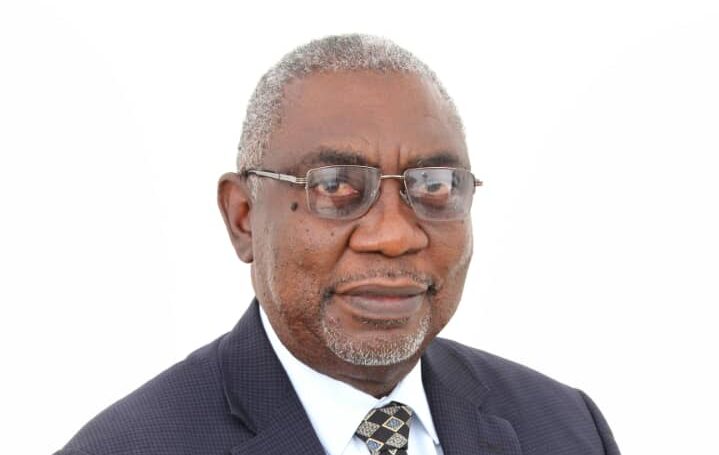
Zambia: Mundubile Treason Trial Delay Criticized by Sikota
Summary
- Prominent lawyer Sakwiba Sikota criticized the justification for delaying Brian Mundubile's court appearance in a treason case.
- Sikota labeled the justification as "incompetent," noting the investigation has already spanned three years.
- Various stakeholders, including the church and international bodies, have called for a speedy trial in the matter.
- The prolonged investigation and delayed court appearance raise concerns about the efficiency of Zambia's justice system.
- The criticism implies potential systemic issues within Zambia's prosecutorial framework, particularly concerning the Directorate of Public Prosecutions.
What Happened
Sikota unequivocally labeled the justification provided for this delay as "incompetent," drawing attention to the fact that the investigation into the matter has already stretched over a considerable period of three years.
Prominent Zambian legal figure Sakwiba Sikota has issued a sharp rebuke concerning the prolonged delay in the court appearance of Brian Mundubile, who is facing serious charges of treason. Sikota unequivocally labeled the justification provided for this delay as "incompetent," drawing attention to the fact that the investigation into the matter has already stretched over a considerable period of three years.
This pointed criticism from a seasoned legal professional underscores growing concerns regarding the efficiency and procedural handling of high-profile criminal proceedings within the Zambian legal system. The ongoing nature of the investigation, now in its third year, despite Mundubile having recently appeared in court on separate sedition charges and with his treason trial now scheduled to commence on October 16, 2026, has brought the operational aspects of justice delivery under intense scrutiny.
The specific nature of the charges, treason, typically implies a matter of significant national importance and complexity, further amplifying the questions surrounding the protracted timeline. Sikota's remarks suggest a perceived lack of diligence or strategic foresight in managing such a critical case, given the extensive period already dedicated to its investigation.
Legal and Public Scrutiny
The extended duration of the investigation into the treason allegations against Brian Mundubile, coupled with the subsequent delay in bringing him before the court, has not escaped the attention of various influential groups both domestically and internationally. Stakeholders, including prominent church organizations within Zambia and various international bodies, have collectively voiced their advocacy for a swift resolution to the matter.
These widespread calls for a "speedy trial" reflect a fundamental expectation for timely justice, particularly in cases of such gravity as treason, which carry profound implications for national security, public order, and the stability of governance. The collective voice of these diverse stakeholders underscores the universal importance of due process and the inherent right to a prompt judicial hearing, principles that are foundational to any credible and fair legal system.
The pressure from these groups highlights a broader societal demand for accountability and efficiency in the administration of justice, especially when dealing with accusations that can significantly impact an individual's liberty and public trust in legal institutions.
Implications for Prosecutorial Oversight
Sakwiba Sikota's direct accusation of "incompetence" in justifying the delay points towards potential systemic issues within the prosecutorial framework, specifically implicating the Directorate of Public Prosecutions (DPP) in Zambia. While the immediate focus of the criticism is on the justification for the delay, the underlying implication is that the DPP or related authorities are ultimately responsible for managing these complex investigative and prosecutorial processes.
A three-year investigation period culminating in a delayed court appearance for a treason case raises serious questions about resource allocation, the thoroughness and pace of investigative work, and the overall strategic planning employed in high-stakes criminal prosecutions. Such prolonged proceedings can significantly erode public confidence in the justice system's ability to handle intricate and sensitive cases effectively and efficiently.
This situation potentially impacts perceptions of accountability, transparency, and the consistent application of the rule of law. The delay also carries practical consequences for the accused, who remains under the cloud of serious allegations for an extended period, and for the state, which must bear the costs and administrative burden of a prolonged investigation without a clear path to resolution.
Practical Implications
This article highlights potential systemic delays and competence issues within the Zambian Directorate of Public Prosecutions, particularly in high-profile criminal cases like treason. Lawyers should be prepared to advise clients on the likelihood of prolonged proceedings and consider strategies to challenge or mitigate the impact of such delays in similar matters.
Source
How does this affect you?
Get an AI analysis of this article grounded in your jurisdictions, practice areas, and any policy documents you've uploaded to Wansom.
Finish Reading the Full Story and the Expert Analysis.
Get the latest legal & regulatory intelligence in Zambia
Wansom is AI and can make mistakes.