
Zambia MoH: US Deal Data Sharing Removed From MoU
Summary
- Zambia's Health Minister, Prof Roma Chilengi, announced the complete removal of specimen sharing requirements from a $1.5 million MoU with the US government.
- This policy shift indicates a stricter stance by the Zambian government on international health data and specimen transfers.
- The decision will likely influence future contractual terms and compliance requirements for foreign entities engaging in health collaborations in Zambia.
- In a separate but related announcement, ZAMMSA is expected to need over 400 new personnel, with some positions advertised in March.
Policy Shift on Data Sharing
Professor Chilengi's statement underscores a move towards greater national oversight regarding sensitive health information and biological samples.
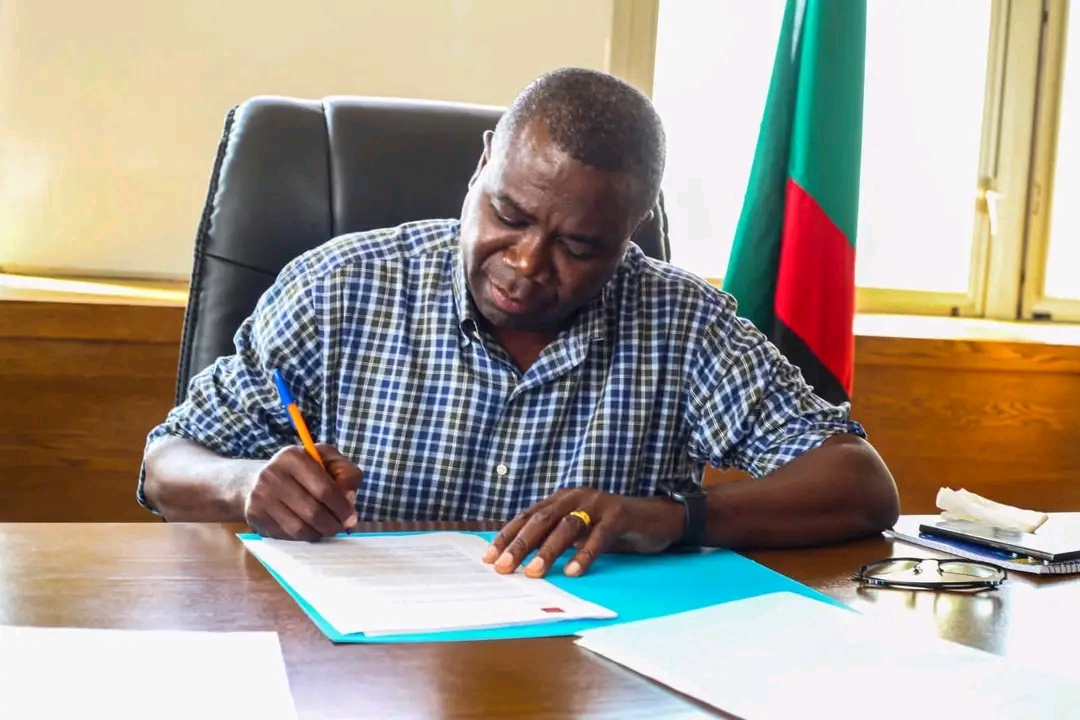
The Zambian government has announced a significant alteration to its Memorandum of Understanding (MoU) with the United States government, specifically concerning health data. Health Minister Professor Roma Chilengi confirmed that all requirements pertaining to the sharing of biological specimens have been entirely removed from the existing agreement. This decisive action impacts a $1.5 million MoU, signaling a clear shift in the nation's approach to international health collaborations and data governance.
Professor Chilengi's statement underscores a move towards greater national oversight regarding sensitive health information and biological samples. The decision to eliminate these provisions reflects a re-evaluation of the terms under which Zambia engages in health-related partnerships with foreign entities. This development is crucial for understanding the evolving landscape of health data policy within the country, particularly as it pertains to collaborations with international partners like the US government.
Evolving Regulatory Landscape
This policy adjustment by the Zambia Ministry of Health indicates a strengthening of national control over health data and biological assets. The removal of specimen sharing requirements from the US government MoU Zambia suggests a proactive stance by the government to safeguard sensitive information and ensure that any future agreements align more closely with national interests and data sovereignty principles. This could set a precedent for how the Ministry of Health approaches similar agreements with other international partners moving forward.
The implications extend to the broader framework of Zambia's health data policy. For legal and compliance professionals, this signals a need to re-evaluate existing and prospective international health agreements. The government's action highlights an increased emphasis on the terms of data and specimen transfers, potentially leading to more stringent requirements for foreign entities seeking to collaborate on health research or programs within Zambia. This shift could influence contractual terms and compliance obligations for all future health data transfers.
Implications for International Partnerships
The decision articulated by Professor Roma Chilengi has significant ramifications for international health partnerships and data privacy in Zambia. By explicitly removing the specimen sharing requirements, the Zambian government is asserting a stricter position on the handling and transfer of sensitive biological materials. This move is likely to influence how future agreements are structured, requiring partners to adapt to a potentially more restrictive environment for data and specimen exchange.
This development is particularly relevant for entities involved in global health initiatives, research, or aid programs within Zambia. It suggests that the Zambian government is prioritizing national control over health data, which could lead to more robust local data governance frameworks. The change underscores the importance of understanding and adhering to evolving national policies regarding health information, ensuring that all collaborations respect Zambia's sovereign rights over its citizens' health data and biological samples.
Broader Health Sector Developments
In a related development, Health Minister Professor Chilengi also provided an update on the Zambia Medicines and Medical Supplies Agency (ZAMMSA). The agency is projected to require a substantial increase in its workforce, with an estimated need for over 400 additional personnel to fulfill its operational mandates. This expansion highlights the government's ongoing efforts to strengthen its health infrastructure and service delivery capabilities.
Professor Chilengi further indicated that the recruitment process for some of these critical positions within ZAMMSA was scheduled to commence shortly, with advertisements expected to be issued during the same week in March when these statements were made. This parallel announcement, while distinct from the data sharing policy, reflects a comprehensive approach by the Ministry of Health to enhance various facets of the nation's health sector, from policy governance to operational capacity.
Practical Implications
Lawyers and compliance officers advising on international health agreements or data privacy in Zambia should note this policy shift, as it indicates a stricter stance on specimen sharing that may influence future contractual terms and compliance requirements for health data transfers with foreign entities.
Source
How does this affect you?
Get an AI analysis of this article grounded in your jurisdictions, practice areas, and any policy documents you've uploaded to Wansom.
Finish Reading the Full Story and the Expert Analysis.
Get the latest legal & regulatory intelligence in Zambia
Wansom is AI and can make mistakes.