
Zambia Land Law Foreign Ownership: Permissive Rules Raise Concerns
Summary
- Zambia's land laws are criticized for being dangerously permissive and having scandalously ineffective safeguards.
- Lawyer Dickson Jere agrees with the assessment that the country's land regulations are overly lenient.
- Valuable land in Zambia is increasingly being acquired by wealthy foreign interests, often at the expense of ordinary citizens.
- A significant contributing factor to this issue is the lack of a credible national inventory of land.
- The current situation raises concerns that Zambia's land could become a preserve for foreigners and the wealthy.
Concerns Over Zambia's Land Ownership Framework
Zambia's current land laws are facing scrutiny for being excessively permissive, a situation that has led to concerns about the country's valuable land resources.
Zambia's current land laws are facing scrutiny for being excessively permissive, a situation that has led to concerns about the country's valuable land resources. Legal expert Dickson Jere has publicly affirmed that the nation's land regulations have become dangerously lenient, creating an environment where safeguards designed to protect national interests are proving scandalously ineffective.
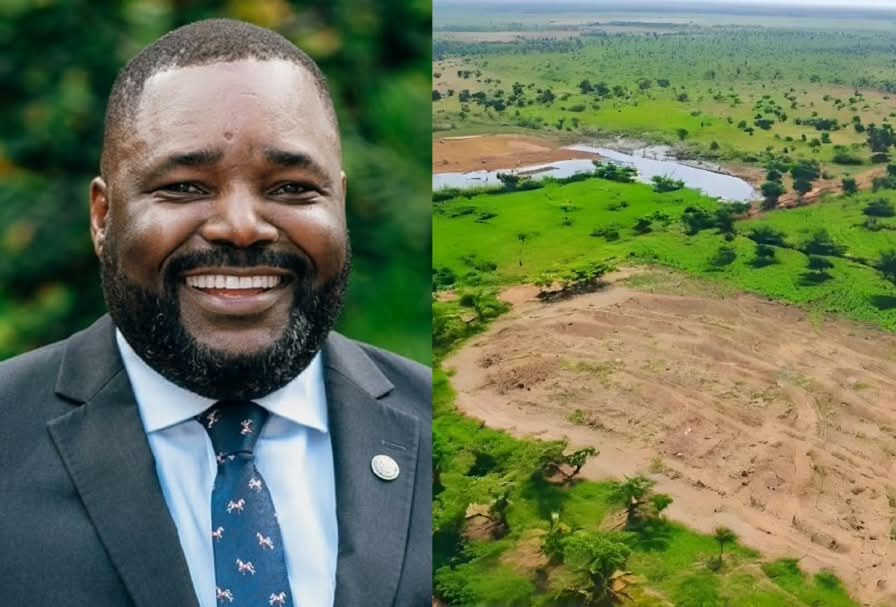
This permissive framework has reportedly facilitated a trend where significant tracts of valuable land are increasingly falling out of the hands of ordinary Zambian citizens. Instead, these properties are being acquired by wealthy foreign interests, raising questions about equitable access and national sovereignty over land resources.
Regulatory Gaps and Foreign Acquisition
A critical issue contributing to the challenges in Zambia land law foreign ownership is the absence of a reliable national inventory of land. Without a credible and comprehensive record, tracking ownership, usage, and transfers becomes exceedingly difficult, further exacerbating the problem of valuable land slipping away from the general populace.
The current Zambia land ownership regulations, characterized by their leniency, appear to inadvertently encourage land acquisition by foreigners. This situation underscores the urgent need for a thorough review and potential Zambia land policy reform to introduce more robust controls and ensure that land benefits all citizens, not just a select few or external entities.
Impact on National Interest and Citizens
The implications of these permissive land laws extend beyond mere transactions; they touch upon the fundamental rights and economic well-being of ordinary Zambians. As valuable land becomes increasingly accessible to wealthy foreign interests, local citizens find themselves at a disadvantage, potentially losing out on opportunities for development, housing, and agricultural use.
This trend highlights a significant national concern: the potential for Zambia's land to become primarily a preserve for foreign entities and the affluent, rather than a resource managed for the collective benefit of its people. Addressing these issues through stronger Zambia land ownership regulations is crucial to safeguard the nation's assets for future generations.
Practical Implications
Lawyers advising on land acquisitions in Zambia, particularly for foreign investors or high-value properties, should meticulously review current land laws and anticipate potential legislative reforms or increased scrutiny due to public and expert concerns over permissive regulations and ineffective safeguards.
Source
How does this affect you?
Get an AI analysis of this article grounded in your jurisdictions, practice areas, and any policy documents you've uploaded to Wansom.
Finish Reading the Full Story and the Expert Analysis.
Get the latest legal & regulatory intelligence in Zambia
Wansom is AI and can make mistakes.