
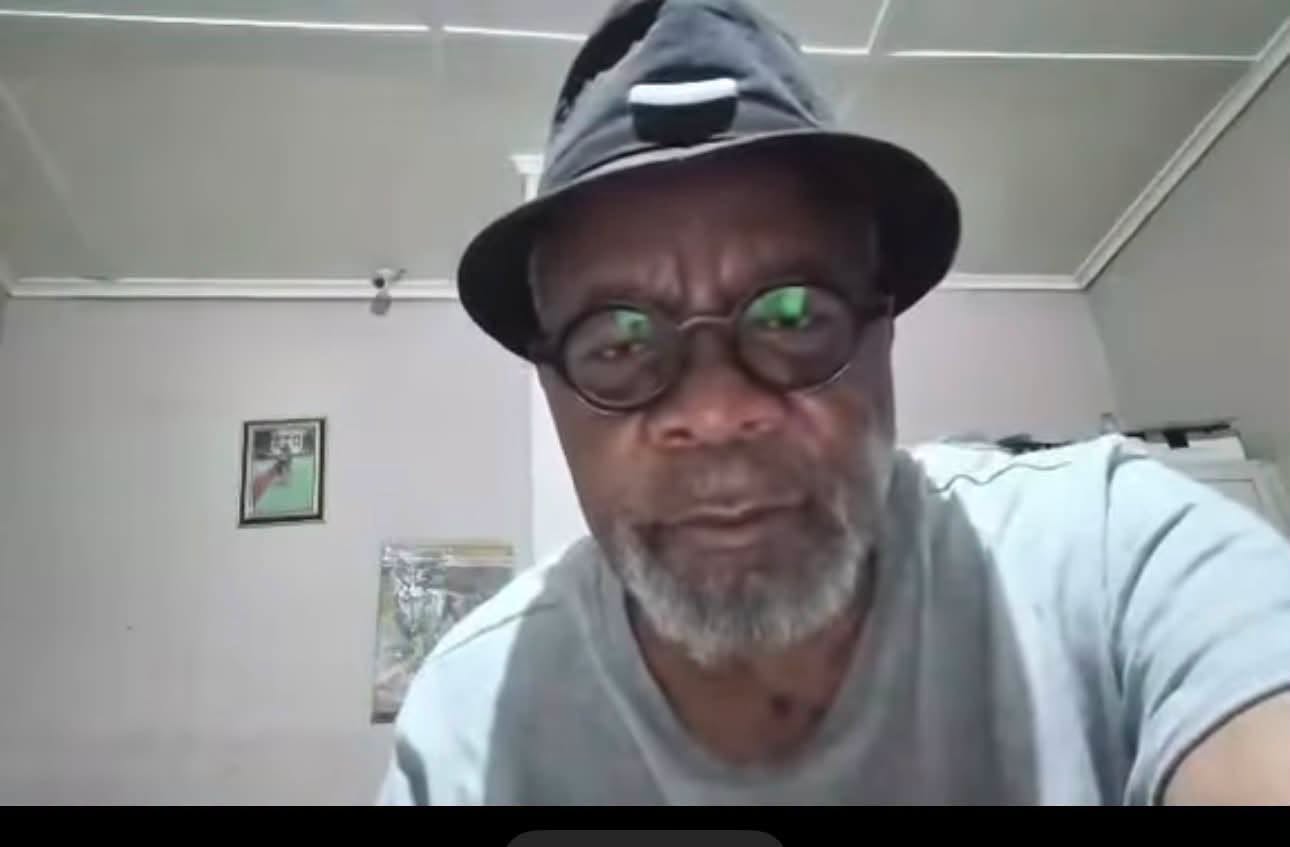
Zambia: Katele Kalumba Arrested by Army
The Zambian Observer reported on the arrest of Katele Kalumba by the Zambia Army, alongside a strong condemnation of individuals perceived to be threatening the Head of State and military leadership, labelling them as "terrorists."
The excerpt indicates that Katele Kalumba was apprehended by the Zambia Army, a significant detail given the military's primary role in national defence rather than civilian law enforcement. The accompanying statement, attributed to an unnamed speaker, forcefully equates threats against the Head of State, the Army Commander, and the Zambia Army with terrorism, particularly when disseminated via public platforms like Facebook. This rhetoric suggests a severe governmental response to perceived threats to national security and stability. The excerpt does not provide specific details regarding the reasons for Kalumba's arrest, any charges laid, or the current status or outcome of this matter.
This event carries substantial legal significance for practitioners in Zambia, as it raises critical questions about the boundaries of military involvement in civilian arrests and the adherence to due process. The use of the term "terrorists" and the implied threat of severe legal action signal a potentially aggressive stance by the state against perceived dissent or destabilizing elements, which could lead to charges under stringent national security legislation. Attorneys must be acutely aware of the legal framework governing military aid to civil power and the constitutional rights of individuals during arrest and detention, particularly when the military is involved. It also highlights the legal risks associated with public statements, especially on social media, that could be interpreted as threatening state security or public order.
The legal context for such an incident involves several key pieces of Zambian legislation. The primary responsibility for civilian arrests lies with the Zambia Police Service under the Criminal Procedure Code and the Constitution, which guarantees rights such as prompt notification of reasons for arrest and access to legal counsel. While the Zambia Army's role is primarily national defence, its involvement in civilian matters is typically restricted to specific circumstances, such as states of emergency or when formally called upon to aid civil power, requiring clear legal authorization. The reference to "terrorism" invokes the Anti-Terrorism Act, which provides broad powers for investigation, arrest, and prosecution for offences related to terrorism, carrying severe penalties. Any detention by the military would legally require prompt transfer to civilian police and strict adherence to constitutional safeguards.
Practitioners should closely monitor developments in cases involving military arrests and charges related to national security or terrorism to understand the evolving legal landscape and state enforcement practices in Zambia. It is crucial to advise clients, particularly those in public life or with a significant social media presence, on the potential legal ramifications of their public statements and the importance of adhering to legal boundaries to avoid interpretations that could lead to charges under national security laws. The key parties involved are Katele Kalumba, the Zambia Army, the Head of State, and the Army Commander. As the outcome of this specific matter is not yet reported, ongoing vigilance regarding any subsequent legal proceedings is essential.
How does this affect you?
Get an AI analysis of this article grounded in your jurisdictions, practice areas, and any policy documents you've uploaded to Wansom.
Finish Reading the Full Story and the Expert Analysis.
Get the latest legal & regulatory intelligence in Zambia
Wansom is AI and can make mistakes.