
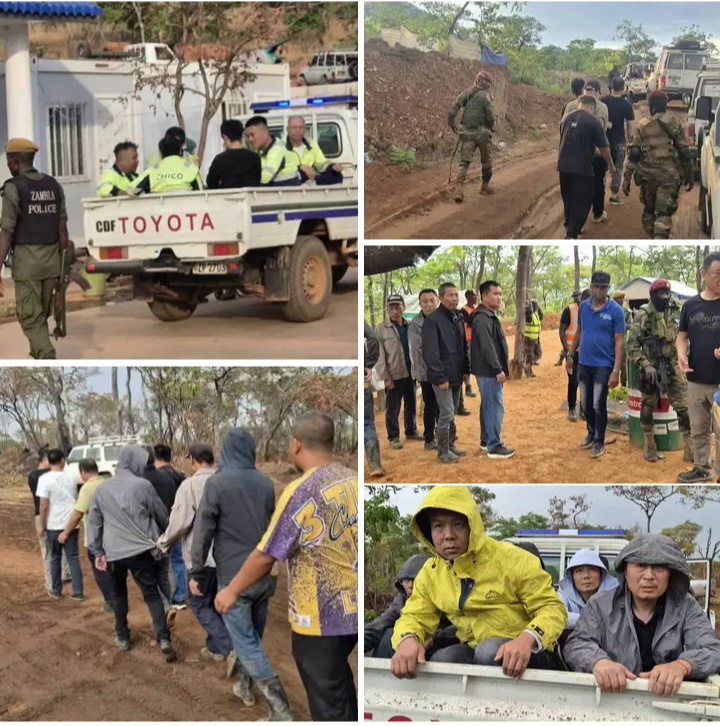
Zambia: 20 Arrested for Illegal Gold Mining in Mpika
Summary
- Twenty individuals, including 16 Chinese nationals and 4 Zambians, were arrested for alleged illegal gold mining.
- The arrests took place at Muneshi Stream in Mpika, Muchinga Province, Zambia.
- Suspects were reportedly operating without valid mining licenses, a key regulatory violation.
- Allegations include the use of suspected chemicals that polluted and disrupted the flow of the Muneshi Stream water source.
- The incident highlights strict enforcement against unlicensed mining and environmental violations in Zambia's mining sector.
Enforcement Action Targets Illegal Gold Mining in Mpika
Engaging in mining activities without the necessary permits not only incurs severe legal penalties but also creates substantial environmental liabilities, as starkly demonstrated by the alleged pollution and disruption of Muneshi Stream.
Authorities in Zambia's Muchinga Province have recently taken decisive action against an alleged illegal gold mining operation, leading to the arrest of twenty individuals. The group comprises sixteen Chinese nationals and four Zambian citizens, all apprehended in connection with illicit activities at Muneshi Stream in Mpika. This operation underscores the government's commitment to regulating the mining sector and addressing unauthorized resource extraction.
The arrests occurred as officials discovered the individuals engaged in gold mining without the requisite legal permits. The location, Muneshi Stream, is a significant water body in the Mpika district, making any unregulated activity there a matter of serious concern for both environmental protection and resource management. The incident highlights ongoing challenges with illegal gold mining arrests in Mpika and the broader issue of Chinese Zambians involved in unauthorized mining ventures.
Unlicensed Operations and Environmental Degradation
A central accusation against the arrested individuals pertains to their failure to possess valid mining licenses, an absolute prerequisite for any extractive activity within Zambia. Operating without such authorization immediately designates their activities as unlawful, regardless of other operational aspects. The enforcement action specifically targeted these unlicensed operations, underscoring the stringent regulatory framework that governs Zambia's valuable mineral resources and the importance of Zambia mining license compliance.
Moreover, investigations indicated that the suspects were reportedly employing various chemicals as part of their gold extraction processes. These substances are strongly suspected of causing significant environmental degradation, specifically leading to the pollution of the Muneshi Stream water source. Beyond direct contamination, the alleged chemical application and the methods employed for mining also reportedly disrupted the natural flow of the stream. This raises serious concerns about the immediate and long-term ecological impact, as well as potential harm to local ecosystems and communities that rely on this vital water body. This situation vividly illustrates the severe consequences of environmental pollution from mining in Zambia, particularly when conducted without proper oversight.
Broader Implications for Zambia's Mining Sector and Compliance
The recent Muneshi Stream mining arrests represent a significant warning regarding the perils of non-compliant mining operations throughout Zambia. The decisive action taken by authorities in Muchinga Province sends a clear message about the unwavering commitment to prosecuting those who attempt to exploit the nation's mineral wealth without adhering to established legal and environmental standards. This incident holds particular relevance for foreign investors and mining companies, highlighting the critical need for comprehensive due diligence and strict adherence to all national regulations.
Engaging in mining activities without the necessary permits not only incurs severe legal penalties but also creates substantial environmental liabilities, as starkly demonstrated by the alleged pollution and disruption of Muneshi Stream. The unauthorized use of chemicals and the resulting ecological damage can lead to profound repercussions, including hefty fines, potential imprisonment, and significant reputational damage for all involved parties. This case powerfully reinforces the principle that all entities, whether domestic or foreign, must prioritize legal compliance and environmental stewardship when undertaking any mining endeavors across Zambia.
Practical Implications
Lawyers advising mining companies or foreign investors in Zambia should review client compliance with mining licenses and environmental regulations, particularly concerning water pollution and chemical use. This incident highlights the strict enforcement against unlicensed operations and potential liabilities for environmental damage in the Muchinga Province.
Source
How does this affect you?
Get an AI analysis of this article grounded in your jurisdictions, practice areas, and any policy documents you've uploaded to Wansom.
Finish Reading the Full Story and the Expert Analysis.
Get the latest legal & regulatory intelligence in Zambia
Wansom is AI and can make mistakes.