
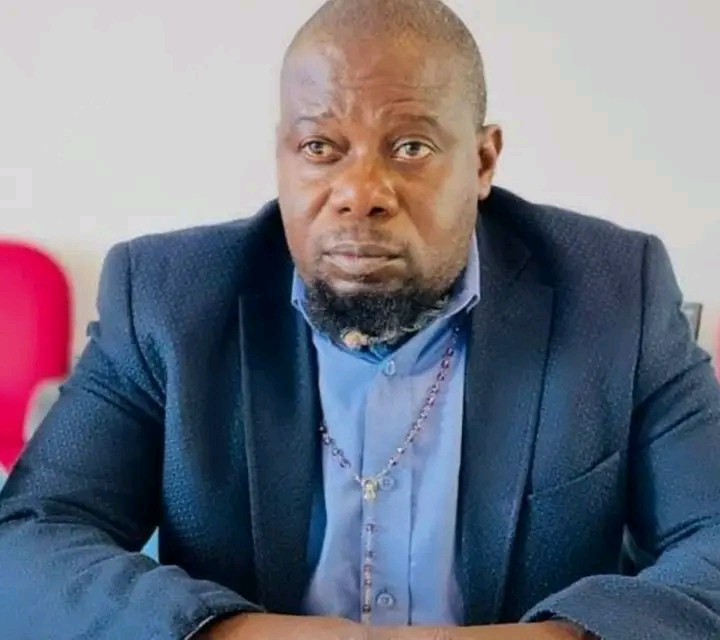
Zambia: Hon Fube, Brother in UPND Custody on Alleged Instruction
Summary
- Hon Fube and his younger brother are currently in custody in Zambia.
- Binwell Mpundu claims their detention is a direct instruction from the ruling UPND.
- This assertion contradicts media reports stating Hon Fube's arrest was due to his role as a surety for Mpundu.
- Mpundu's statement aims to clarify what he believes are inaccurate media accounts.
Allegations of Political Detention
The assertion that Hon Fube and his brother are in UPND custody on instruction from the ruling party, as stated by Binwell Mpundu, brings into sharp focus concerns about political arrests and the integrity of the justice system in Zambia.
Prominent political figure Hon Fube and his younger brother have been taken into custody, with a public statement alleging their detention stems from direct instructions issued by the ruling United Party for National Development (UPND). This claim was made by Binwell Mpundu, who stated his intention to "set the records right" regarding the circumstances of their arrest. The assertion by Mpundu introduces a significant dimension to the case, suggesting potential political motivations behind the legal proceedings and raising questions about the nature of Hon Fube's arrest in Zambia.
Mpundu's statement directly contradicts earlier reports from various media organizations, including the national broadcaster ZNBC and journalist Joseph Mwenda of Diggers. These outlets had indicated that Hon Fube's detention was related to his capacity as a surety for Mpundu himself. The discrepancy between these accounts highlights a dispute over the true reasons for the custody of Hon Fube and his sibling, drawing attention to the differing narratives surrounding the incident and the potential for UPND political detention.
Conflicting Narratives and Legal Context
The conflicting explanations for Hon Fube's arrest and his brother's detention raise significant questions about transparency and due process within Zambia's legal framework. While media reports initially pointed to Hon Fube's role as a surety for Binwell Mpundu as the cause, Mpundu's counter-claim of a UPND instruction shifts the focus towards potential political interference. This situation underscores the importance of distinguishing between legitimate legal procedures and alleged political directives in cases involving public figures, especially concerning Fube detention under alleged UPND instruction.
Such allegations, if substantiated, could have serious implications for the perception of judicial independence and the rule of law in Zambia. The notion that a political party might directly instruct law enforcement to detain individuals, particularly those associated with opposition or critical voices, challenges fundamental principles of a democratic state. The legal system is designed to operate free from partisan influence, ensuring that arrests and detentions are based solely on legal grounds and evidence, thereby preventing Zambia political arrests based on partisan motives.
Implications for Due Process in Zambia
The assertion that Hon Fube and his brother are in UPND custody on instruction from the ruling party, as stated by Binwell Mpundu, brings into sharp focus concerns about political arrests and the integrity of the justice system in Zambia. This incident, regardless of the ultimate truth of the allegations, highlights the critical need for adherence to constitutional rights and proper legal procedures in all detentions. When claims of political motivation arise, they can erode public trust in institutions responsible for upholding law and order, suggesting a potential for abuse of power.
The situation demands careful scrutiny to ascertain whether the detentions are purely a matter of legal process or if they involve elements of political targeting. For lawyers and human rights advocates, cases like these serve as crucial indicators of the health of a nation's democratic governance and its commitment to protecting individual liberties. Ensuring that all arrests in Zambia, especially those involving prominent figures, are conducted strictly according to law, without any external political instruction, is paramount for maintaining the credibility of the legal system and safeguarding against arbitrary Fube detention.
Practical Implications
This report, if accurate, suggests potential political interference in law enforcement and due process in Zambia. Lawyers should monitor such cases closely for any violations of constitutional rights or procedural irregularities, particularly when advising clients who may be politically exposed or involved in sensitive matters, to ensure adherence to the rule of law.
Source
How does this affect you?
Get an AI analysis of this article grounded in your jurisdictions, practice areas, and any policy documents you've uploaded to Wansom.
Wansom is AI and can make mistakes.