
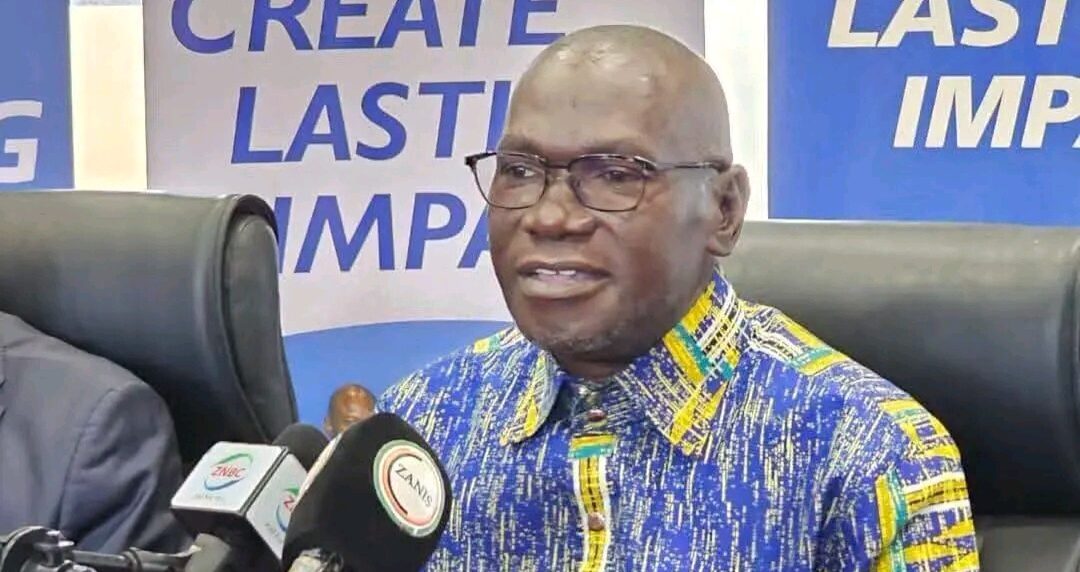
Zambia Government: Clergy Allegations Step Aside Pending Process
Summary
- Zambia's Information and Media Permanent Secretary, Thabo Kawana, advised clergy facing serious allegations to step aside.
- This temporary withdrawal should last until judicial or internal disciplinary processes are concluded.
- Kawana emphasized that no one is above the law, including religious leaders.
- The government expects legal proceedings involving clergy to proceed without obstruction.
- This advisory signals a clear government expectation for accountability within religious institutions.
Government Urges Clergy to Step Aside Amidst Serious Accusations
Mr. Kawana explicitly articulated the fundamental tenet that no individual, including those in religious leadership, stands above the law.
Thabo Kawana, the Permanent Secretary for Information and Media, recently issued a significant advisory concerning religious leaders in Zambia. His statement underscored the government's expectation that members of the clergy facing grave accusations should temporarily withdraw from their duties. This recommendation is intended to remain in effect until the conclusion of any ongoing judicial or internal disciplinary proceedings.
This directive from a key government official highlights a proactive stance on accountability within religious institutions. It reflects a broader principle that all citizens, regardless of their societal role or spiritual standing, are subject to the nation's legal framework. The government's position emphasizes transparency and due process in handling serious allegations.
Mr. Kawana explicitly articulated the fundamental tenet that no individual, including those in religious leadership, stands above the law. He further stressed the imperative that legal proceedings involving any member of the clergy must be allowed to proceed without any form of obstruction or undue influence. This reinforces the government's commitment to upholding the rule of law across all sectors of society.
Legal and Regulatory Expectations for Religious Leaders
While Mr. Kawana's pronouncement does not constitute a new statutory requirement or a direct legal mandate, it clearly communicates the Zambian government's stance regarding clergy facing serious allegations. This advisory serves as a strong signal to religious organizations about the expected conduct of their leaders when confronted with grave accusations that could lead to judicial or internal investigations.
The emphasis on stepping aside pending judicial or disciplinary processes suggests an expectation for religious bodies to engage robustly with both external legal systems and their own internal governance mechanisms. It implies that religious institutions should have clear protocols for addressing such situations, ensuring that justice can be pursued without perceived interference or the appearance of impropriety, aligning with the broader context of Zambia religious leaders legal process.
This public statement from the Information and Media Permanent Secretary underscores the Zambian government's view that the integrity of both the legal system and religious institutions is paramount. It aims to ensure that the process of justice is unimpeded and that public trust in both secular and spiritual leadership is maintained, particularly concerning clergy disciplinary proceedings Zambia.
Implications for Religious Institutions and Public Trust
For religious organizations in Zambia, this advisory carries significant weight, even if not legally binding. It sets a public expectation that could influence how these bodies manage reputational risks and maintain credibility within their communities. Adhering to such guidance can help religious institutions demonstrate their commitment to ethical conduct and accountability, aligning with the Zambian government stance clergy.
The call for clergy to step aside during investigations is crucial for preserving public confidence. When serious allegations arise, the perception that religious leaders are being held to account, just like any other citizen, can prevent erosion of trust. This proactive measure can help mitigate potential damage to the reputation of the church or religious body involved.
Ultimately, the Zambia government clergy allegations step aside recommendation sends a clear message about the importance of upholding legal and ethical standards across all societal sectors. It reinforces the idea that leadership roles, particularly those with significant public influence, come with a heightened responsibility for accountability and transparency, as articulated in the Thabo Kawana clergy statement.
Practical Implications
Lawyers advising religious organizations or clergy in Zambia should be aware of the government's public stance, as articulated by the Information and Media Permanent Secretary, regarding clergy stepping aside during serious allegations. This advisory, while not a legal mandate, signals a clear expectation that could influence internal disciplinary actions, public perception, and reputational risk management for religious institutions.
Source
How does this affect you?
Get an AI analysis of this article grounded in your jurisdictions, practice areas, and any policy documents you've uploaded to Wansom.
Finish Reading the Full Story and the Expert Analysis.
Get the latest legal & regulatory intelligence in Zambia
Wansom is AI and can make mistakes.