
Zambia FIC: K85m Shell Company Contract Exposes Procurement Fraud
Summary
- The Financial Intelligence Centre (FIC) disclosed that a shell company received K85 million from a public institution.
- The company was incorporated in 2023 and awarded a contract, with payments made between October 2024 and July 2025.
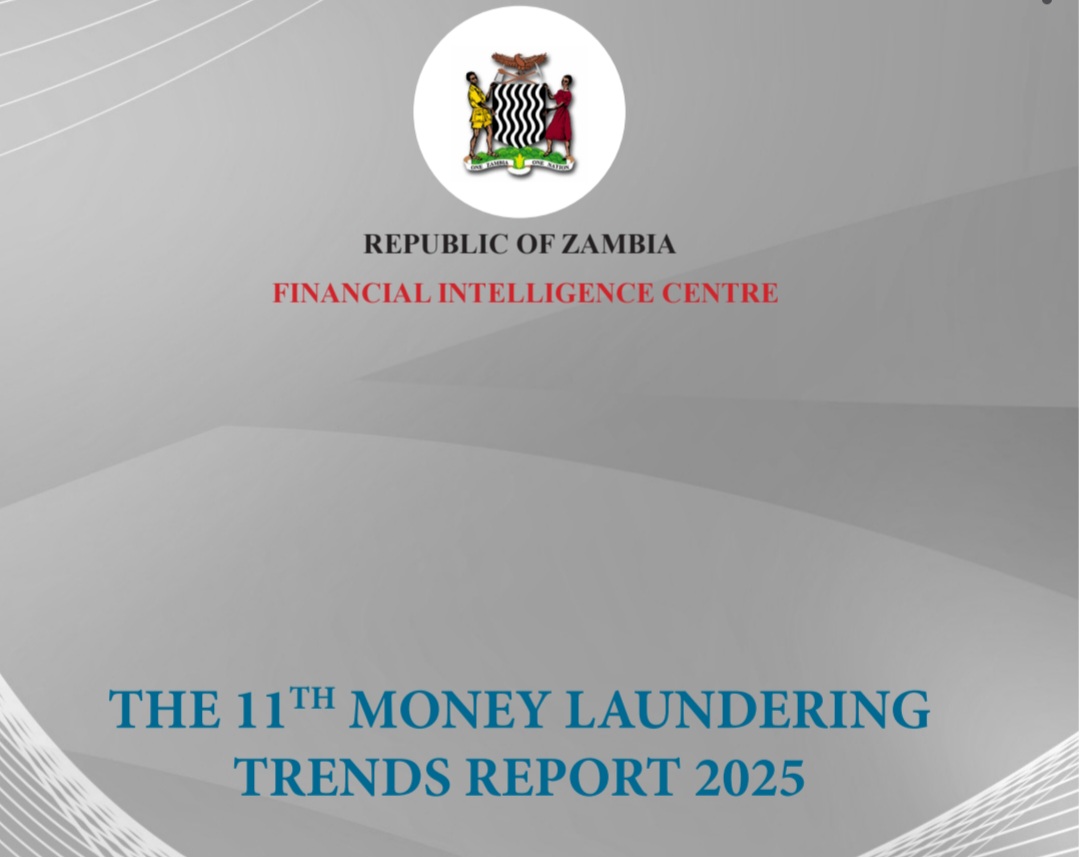
- This information was detailed in the FIC's 11th Money Laundering Trends Report.
- The case highlights concerns regarding Zambia government procurement fraud and the use of shell companies.
- The FIC's report underscores the importance of beneficial ownership transparency in public contracts.
Details of the K85 Million Shell Company Contract
The disclosure of this K85 million transaction comes directly from the Financial Intelligence Centre's 11th Money Laundering Trends Report.
The Financial Intelligence Centre (FIC) in Zambia has brought to light a significant case of alleged financial impropriety involving a shell company that secured a substantial government contract. This entity, which was only incorporated in 2023, reportedly received payments totaling K85 million from a public institution. The payments were disbursed over a period spanning from October 2024 to July 2025, indicating a rapid and considerable flow of funds to a newly established firm.
This particular Zambia FIC K85m shell company contract highlights potential vulnerabilities within the nation's public procurement systems. The rapid incorporation of the company in 2023, followed by the swift award of a contract and subsequent large payments from a public institution, raises questions about due diligence processes and the oversight mechanisms in place for government expenditures. Such public institution payment irregularities Zambia are a key focus for financial crime investigators.
Regulatory Scrutiny and the FIC's Role
The disclosure of this K85 million transaction comes directly from the Financial Intelligence Centre's 11th Money Laundering Trends Report. This annual publication serves as a critical tool for identifying emerging patterns and risks in financial crime across Zambia. The report, which details events up to July 2025, underscores the FIC's proactive stance in monitoring and exposing illicit financial activities, particularly those involving public funds.
The FIC's mandate is to combat money laundering, terrorist financing, and other serious financial crimes by receiving, analyzing, and disseminating financial intelligence. The inclusion of this specific case in their latest report signals a heightened focus on Zambia government procurement fraud and the use of shell companies as conduits for illicit financial flows. The Financial Intelligence Centre Zambia report serves as a stark warning to those attempting to exploit public systems for personal gain.
Implications for Transparency and Governance
The revelation of a shell company receiving such a large sum from a public institution carries significant implications for transparency and good governance in Zambia. Shell companies, by their very nature, are often used to obscure the true beneficial owners of assets and transactions, making them prime vehicles for money laundering and corruption. This incident reinforces the critical need for robust beneficial ownership Zambia contracts regulations and their stringent enforcement.
Ensuring transparency in beneficial ownership is paramount to preventing public funds from being siphoned off through fraudulent schemes. This case serves as a powerful example of the challenges faced in combating financial crime and emphasizes the ongoing efforts required to safeguard public resources and maintain integrity within government procurement processes. The FIC's continued vigilance and public reporting are vital in addressing these systemic issues.
Practical Implications
This reveals a significant enforcement focus by the FIC on procurement fraud and money laundering through shell companies. Lawyers and compliance officers advising entities involved in Zambian public procurement must enhance due diligence on counterparty beneficial ownership and transaction legitimacy to mitigate heightened regulatory and reputational risks.
Source
How does this affect you?
Get an AI analysis of this article grounded in your jurisdictions, practice areas, and any policy documents you've uploaded to Wansom.
Finish Reading the Full Story and the Expert Analysis.
Wansom is AI and can make mistakes.