
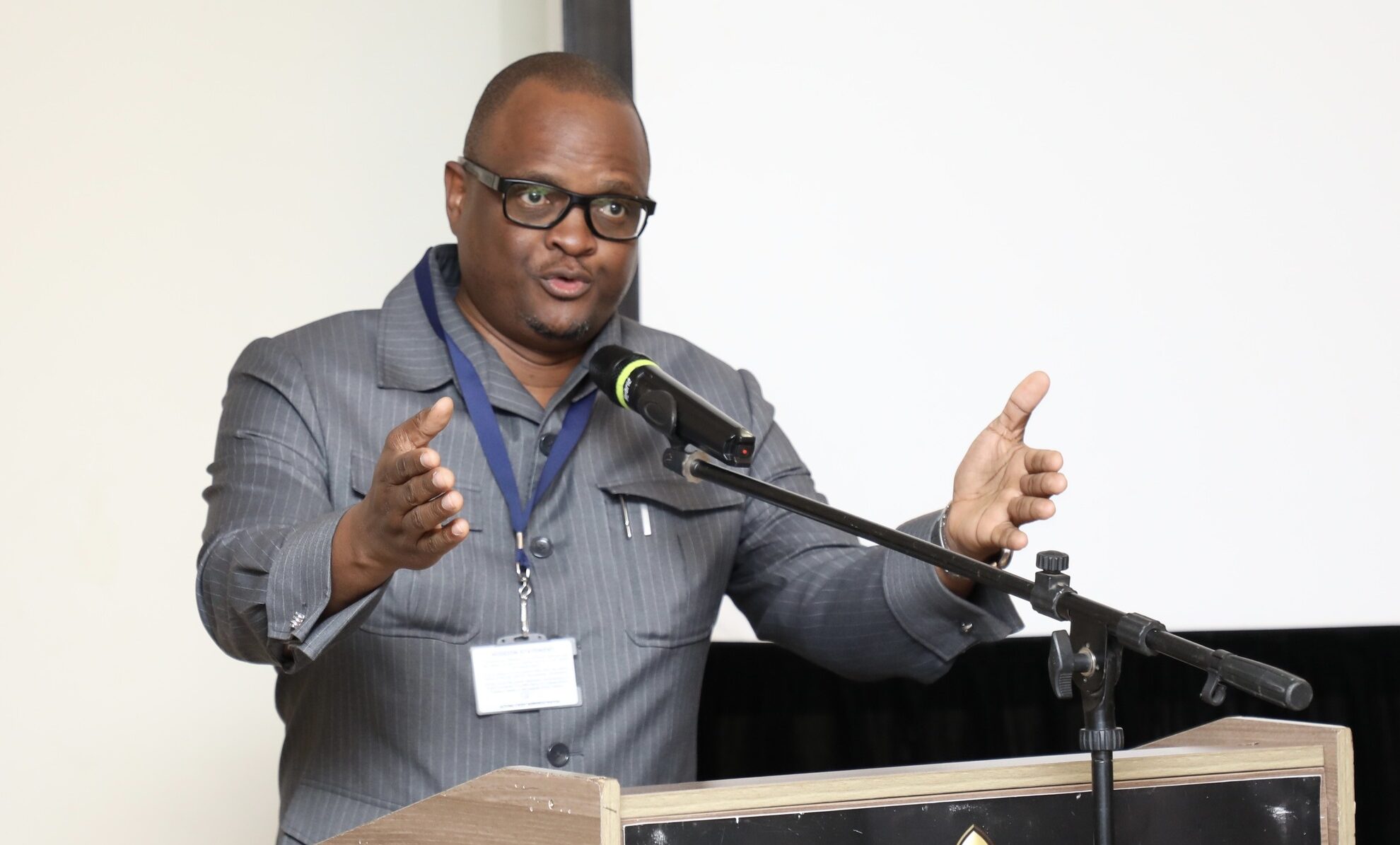
Zambia DPP: Gilbert Phiri Offers Prosecution Delays Explanation
Summary
- Zambia's Director of Public Prosecutions, Gilbert Phiri, attributes delays in prosecuting cases to the time-consuming nature of investigations.
- He explained that complex cases, such as treason, require extensive investigative periods.
- The 1985 Shamwana case was cited as an example, taking eleven months to commence due to investigations.
- Phiri's statement offers an official explanation for extended Zambian criminal case timelines.
Understanding Prosecution Delays
The official acknowledgment from the Director of Public Prosecutions regarding the systemic factors contributing to prosecution delays carries significant weight for the Zambian legal landscape.
Zambia's Director of Public Prosecutions, Gilbert Phiri, has recently offered a detailed explanation regarding the persistent delays observed in bringing criminal cases to trial. According to Phiri, the primary factor contributing to these extended timelines is the investigative process itself. He emphasized that thorough and comprehensive investigations are a prerequisite for effective prosecution, and these often demand significant time, particularly for cases involving intricate details or high stakes.
Phiri specifically highlighted that certain categories of offenses, such as treason, inherently involve a level of complexity that necessitates prolonged investigative periods. These cases frequently require extensive evidence gathering, forensic analysis, and witness interviews, all of which contribute to the overall duration before formal charges can be laid. The DPP underscored that the nature of these serious crimes dictates a meticulous approach to ensure justice is served accurately and fairly.
To illustrate this point, the Director of Public Prosecutions referenced a historical precedent: the 1985 Shamwana case. This particular legal proceeding, a significant event in Zambian legal history, took a substantial eleven months from the initial stages of investigation before it was ready for commencement in court. This example, Phiri noted, serves as a clear demonstration of how even well-resourced and high-profile cases can experience considerable pre-trial investigative phases. This explanation from the Zambia Director of Public Prosecutions provides crucial insight into the operational realities affecting Zambian criminal case timelines.
The Intricacies of Investigation
The statement by Gilbert Phiri sheds light on the often-underestimated complexities inherent in criminal investigations, particularly within the Zambian legal framework. It underscores that the duration of an investigation is not merely a bureaucratic hurdle but a reflection of the intricate work required to build a robust case. For instance, cases involving national security, such as treason, often span multiple jurisdictions, require intelligence gathering, and involve numerous individuals, each demanding careful scrutiny. This level of detail is essential to avoid premature or flawed prosecutions, which could undermine the integrity of the justice system.
The necessity for extensive investigation is directly linked to the burden of proof required in criminal proceedings. Prosecutors must present compelling evidence that establishes guilt beyond a reasonable doubt. Achieving this standard, especially in complex scenarios, means that investigators cannot rush the process. They must meticulously collect, analyze, and verify every piece of information, ensuring its admissibility and probative value in court. This diligent approach, while time-consuming, is fundamental to upholding due process and safeguarding against wrongful convictions.
Therefore, the acknowledged prosecution investigation delays in Zambia are often a direct consequence of this commitment to thoroughness. While public perception might sometimes view these delays negatively, the DPP’s explanation frames them as a necessary component of handling serious and complicated matters. It suggests a deliberate, albeit extended, process aimed at securing convictions based on irrefutable evidence rather than expediting cases at the expense of justice.
Implications for Justice and Public Expectation
The official acknowledgment from the Director of Public Prosecutions regarding the systemic factors contributing to prosecution delays carries significant weight for the Zambian legal landscape. Gilbert Phiri's explanation serves as an important clarification, helping to manage public and legal community expectations regarding the pace of justice, particularly in high-profile or intricate cases. This transparency can foster a better understanding of the operational challenges faced by the prosecution service.
For legal practitioners, this insight into the reasons behind extended Zambian criminal case timelines is invaluable. Lawyers advising clients, especially those involved in complex criminal matters, can now leverage this official understanding to provide more realistic assessments of case durations. This includes preparing clients for potentially lengthy pre-trial investigation periods and formulating defense strategies that account for the time required to build a comprehensive prosecution case. The DPP's remarks underscore that the investigative phase is not a static period but an active and often protracted component of the overall legal process.
Ultimately, the DPP's statement highlights a critical balance that must be struck within the justice system: the imperative for timely justice versus the necessity for thorough investigation. While the goal remains to expedite proceedings, the commitment to meticulous evidence gathering, as articulated by Phiri, is presented as paramount for ensuring fair trials and robust legal outcomes. This perspective is crucial for understanding the practical realities of the Zambian judicial system and its approach to complex criminal prosecutions.
Practical Implications
This statement from the DPP offers official acknowledgement of the systemic factors contributing to delays in Zambian criminal prosecutions, particularly for complex cases. Lawyers should leverage this understanding when advising clients on realistic case timelines, managing expectations, and potentially formulating defense strategies that account for extended pre-trial investigation periods.
Source
How does this affect you?
Get an AI analysis of this article grounded in your jurisdictions, practice areas, and any policy documents you've uploaded to Wansom.
Finish Reading the Full Story and the Expert Analysis.
Get the latest legal & regulatory intelligence in Zambia
Wansom is AI and can make mistakes.