
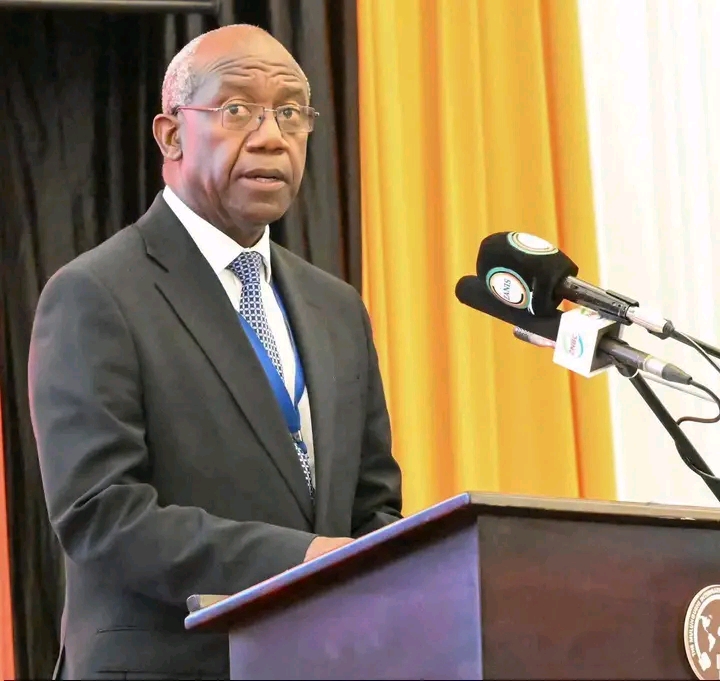
Zambia: August 13, 2026 Public Holiday Declared for General Elections
Summary
- Zambia has officially declared Thursday, August 13, 2026, a public holiday.
- The holiday's purpose is to allow citizens to cast their votes in the General Elections.
- Secretary to the Cabinet Patrick Kangwa made the declaration on behalf of the government.
- Friday, August 14, 2026, will remain a normal working day, as clarified by the government.
The Official Declaration
The Zambian government has formally announced that Thursday, August 13, 2026, will be observed as a public holiday across the nation.
The Zambian government has formally announced that Thursday, August 13, 2026, will be observed as a public holiday across the nation. This significant declaration, made by Secretary to the Cabinet Patrick Kangwa, aims to ensure that all eligible citizens have the opportunity to participate fully in the upcoming General Elections. The move underscores the government's commitment to facilitating democratic processes by removing potential barriers to voter turnout.
This specific date, August 13, 2026, has been designated a non-working day to allow for the smooth conduct of the electoral process, enabling individuals to travel to polling stations and cast their ballots without conflicting work obligations. The decision for this Zambia public holiday August 13 2026 specifically for the General Elections holiday reflects a common practice in many democracies to prioritize civic duty on election days.
However, the government has also issued a crucial clarification regarding the subsequent day. While Thursday, August 13, 2026, is a public holiday, Friday, August 14, 2026, will revert to being a normal working day. This distinction is vital for businesses and individuals planning their schedules around the election period, ensuring that the impact on economic activity is limited to the election day itself. The Patrick Kangwa holiday declaration explicitly outlines this arrangement, providing clarity for employers and employees alike.
Legal and Regulatory Framework
The declaration of a public holiday in Zambia, such as the one for August 13, 2026, operates within a defined legal and regulatory framework. Such pronouncements typically derive their authority from existing Zambia public holiday legislation, which empowers the government, often through the Secretary to the Cabinet, to designate specific days as non-working days for various national reasons, including elections. This legal basis ensures that the holiday carries official weight and necessitates adherence from all sectors.
For legal professionals, this declaration has immediate and tangible implications. Court filing deadlines, which are often calculated in working days, will need to be adjusted to account for the August 13, 2026, non-working day. Similarly, transactional timelines in corporate and commercial law, which frequently stipulate completion by a certain date or within a specific number of business days, must be re-evaluated. Lawyers will be tasked with advising clients on these adjustments, ensuring compliance and preventing inadvertent breaches of contractual obligations due to the altered calendar.
Furthermore, the public holiday declaration directly impacts employment law. Employers must understand their obligations regarding employee remuneration for August 13, 2026, and how it affects leave entitlements. While the day is non-working for most, essential services may still operate, requiring specific arrangements for staff working on a public holiday. Compliance officers within organizations will need to review internal policies to align with the government's directive, ensuring that all employment practices on the Zambia election day non-working day are legally sound and transparent.
Business and Operational Impact
The designation of August 13, 2026, as a public holiday carries significant operational implications for businesses and organizations across Zambia. Companies must proactively adjust their operational schedules, supply chain logistics, and customer service availability to accommodate the non-working day. This includes planning for potential disruptions in production, delivery, and service provision, particularly for sectors that rely on continuous operations or just-in-time inventory management.
Employers, in particular, face the responsibility of communicating clearly with their workforce about the holiday and its implications. This involves outlining policies for employees who may be required to work on the public holiday, ensuring fair compensation in accordance with labor laws, and managing expectations regarding the August 13 2026 Zambian working day status. The clarity provided by the government that August 14, 2026, will be a normal working day helps mitigate prolonged disruption, allowing for a swift return to regular business activities immediately following the election.
Ultimately, the government's decision to declare August 13, 2026, a public holiday for the General Elections underscores the importance placed on civic participation. While it introduces a temporary adjustment to the national calendar, businesses and legal entities are expected to adapt, ensuring both democratic engagement and continued adherence to legal and operational standards. Proactive planning and clear communication will be key to navigating this period effectively.
Practical Implications
This declaration of a public holiday directly impacts legal and business operations in Zambia, requiring lawyers to adjust court filing deadlines, transactional timelines, and advise clients on employment law implications regarding employee leave and remuneration for August 13, 2026. Compliance officers must ensure operational continuity and adherence to holiday regulations.
Source
How does this affect you?
Get an AI analysis of this article grounded in your jurisdictions, practice areas, and any policy documents you've uploaded to Wansom.
Wansom is AI and can make mistakes.