
Zambia: Constitutional Design Concentrates Presidential Power
Summary
- Former Botswana President Ian Khama recently criticized Zambian President Hakainde Hichilema.
- This criticism has highlighted a deeper issue concerning Zambia's governance beyond individual leaders.
- The central argument posits that Zambia's constitutional design, not presidential personality, fosters authoritarian tendencies.
- Focusing on President Hichilema's character is seen as missing the fundamental constitutional problem.
- The extent of presidential power is viewed as a systemic issue embedded in the nation's legal framework.
A Broader Critique Emerges
A key assertion emerging from this discourse is that Zambia's constitutional design itself is the primary driver of what some describe as authoritarian tendencies, rather than these traits being inherent to a president's personality.
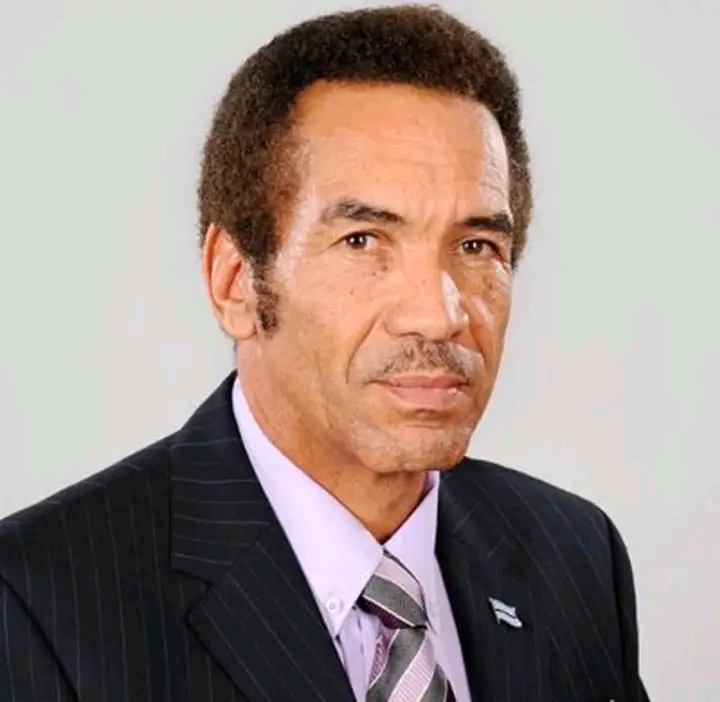
Former Botswana President Ian Khama recently directed criticism towards Zambian President Hakainde Hichilema, an action that has brought a more fundamental debate into sharp focus. This critique, while targeting an individual leader, has served to underscore a central issue that is argued to hold greater significance than the specific political characteristics or temperament of the current head of state. The discussion prompted by Khama's remarks shifts attention away from personal leadership styles and towards the underlying frameworks governing presidential power in Zambia.
This development highlights a growing sentiment that the challenges facing Zambian democracy might stem from deeper, structural issues rather than merely the actions or personality of any single occupant of the presidential office. The focus is now being redirected to consider how the very architecture of governance might predispose the nation to certain political outcomes, irrespective of who is in charge. This perspective suggests that evaluating individual presidents, such as Hakainde Hichilema, on their personal conduct alone may overlook the more pervasive constitutional problems at play.
Constitutional Design and Executive Power
A key assertion emerging from this discourse is that Zambia's constitutional design, which has recently undergone significant amendments, is the primary driver of what some describe as authoritarian tendencies, rather than these traits being inherent to a president's personality. This argument posits that the nation's foundational legal document may inadvertently concentrate excessive presidential power, thereby creating a systemic Zambia constitutional problem. The implication is that any leader, regardless of their initial intentions or democratic credentials, could find themselves operating within a framework that offers insufficient Zambian executive power limits.
This viewpoint suggests that attributing perceived dictatorial actions solely to President Hakainde Hichilema's character or leadership style fundamentally misinterprets the situation. Instead, the real constitutional problem lies in the inherent structure of Zambia's governance. Understanding the extent of Zambia constitutional design presidential power is crucial, as it suggests that the system itself might be designed in a way that allows for, or even encourages, an overreach of authority, irrespective of the individual holding the office. This reframing moves the discussion from personal accountability to systemic reform.
Implications for Zambian Democracy
The reorientation of this debate towards Zambia's constitutional design has significant implications for how observers and citizens understand the state of democracy in the country. If the constitutional framework is indeed the root cause of potential authoritarianism, then addressing Zambia democracy constitutional issues requires a more profound and systemic approach than simply changing leaders or critiquing individual presidential authority. This perspective suggests that the challenges are embedded within the very rules that govern the nation, rather than being mere manifestations of a particular president's will.
This understanding is critical because it implies that future administrations, even those committed to democratic principles, could face similar hurdles if the underlying constitutional architecture remains unchanged. The focus on Zambia constitutional design presidential power underscores that the capacity for executive overreach might be a feature of the system itself, rather heinous a bug introduced by a specific individual like Hakainde Hichilema. Therefore, meaningful reform would necessitate a re-evaluation and potential restructuring of the constitutional provisions that define the scope and limitations of presidential authority.
Practical Implications
Lawyers and compliance officers in Zambia should understand that the constitutional design itself is being critiqued as a source of potential authoritarianism, rather than merely presidential personality. This insight is crucial for advising clients on political risk, assessing the stability of the rule of law, and engaging in constitutional reform discussions, as it suggests systemic issues that transcend individual administrations.
Source
How does this affect you?
Get an AI analysis of this article grounded in your jurisdictions, practice areas, and any policy documents you've uploaded to Wansom.
Wansom is AI and can make mistakes.