
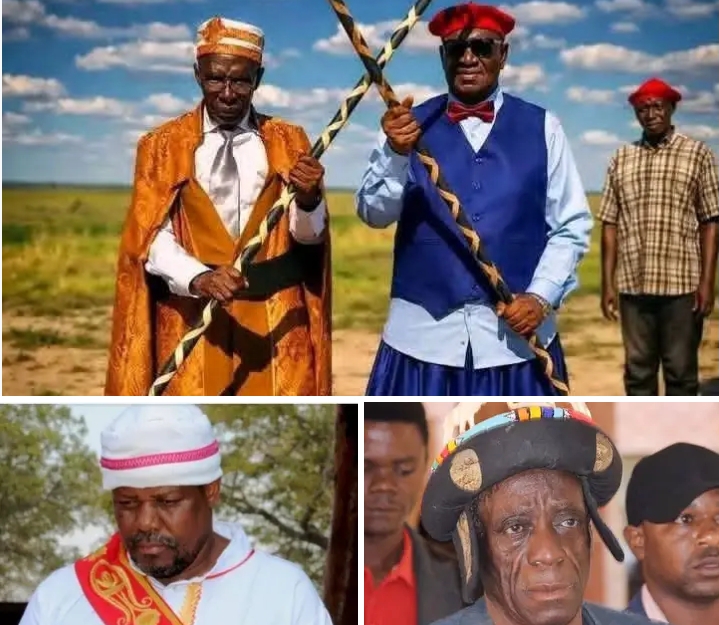
Zambia Constitutional Court: Mukuni Chieftaincy Joinder Order Issued
Summary
- The Constitutional Court has ordered three senior traditional leaders to join a chieftaincy case in Zambia.
- The Litunga, the Chitimukulu, and Gawa Undi must now participate in legal proceedings concerning Chief Mukuni.
- The case revolves around Chief Mukuni's aspiration to be elevated to the rank of Paramount Chief.
- This decision broadens the scope of the dispute by including key traditional authorities.
- The ruling sets a precedent for the procedural handling of high-profile traditional leadership matters in the country.
What Happened
This ruling establishes a significant procedural precedent, particularly for lawyers advising traditional leaders or involved in chieftaincy disputes in Zambia.
The Constitutional Court in Zambia has issued a significant directive concerning a high-profile traditional leadership dispute. This judicial action mandates the inclusion of three prominent traditional rulers – the Litunga, the Chitimukulu, and Gawa Undi – as parties to ongoing legal proceedings. The court's decision directly impacts a case centered on Chief Mukuni's petition to be recognized with the elevated status of a Paramount Chief.
This order from Zambia's highest court for constitutional matters means that these three highly respected figures, who represent some of the nation's most influential traditional authorities, are now formally required to participate in the legal process. Their involvement is deemed essential for the comprehensive adjudication of the chieftaincy matter. The underlying dispute revolves around Chief Mukuni's efforts to secure a higher traditional rank, a move that has evidently necessitated judicial intervention and now, broader participation.
Legal Context
The legal principle of joinder, as applied by the Constitutional Court in this instance, allows for the inclusion of additional parties to a lawsuit when their presence is deemed necessary for a complete and just resolution of the issues at hand. In the context of traditional leadership disputes, such as the Chief Mukuni Paramount Chieftaincy dispute, the court's power to compel the joinder of other traditional authorities underscores the complex interplay between customary law and the national legal framework in Zambia. This procedural step ensures that all relevant stakeholders, particularly those with significant influence or a direct interest in the outcome, are afforded an opportunity to present their perspectives.
This particular Zambia Constitutional Court Mukuni Chieftaincy joinder order highlights the judiciary's role in navigating the intricate landscape of traditional governance. The involvement of figures like the Litunga, Chitimukulu, and Gawa Undi, who hold paramount positions within their respective traditional structures, suggests that the court views their input as crucial for establishing the legitimacy and implications of Chief Mukuni's claim. Such a directive from the Constitutional Court regarding the joinder of parties in a chieftaincy matter sets a notable precedent for how high-stakes traditional leadership cases might be handled procedurally in the future, emphasizing thoroughness in legal proceedings under Zambia traditional leadership law.
Why It Matters
The Constitutional Court's decision to order the Litunga Chitimukulu Gawa Undi joinder into the Chief Mukuni Paramount Chieftaincy dispute carries substantial weight for the future of traditional leadership and legal practice in Zambia. By compelling the participation of such senior traditional leaders, the court signals a willingness to broaden the scope and complexity of chieftaincy cases, ensuring that decisions are made with a comprehensive understanding of customary norms and their wider societal impact. This approach could lead to more robust and perhaps lengthier legal battles in traditional leadership matters, as more voices and perspectives are brought into the judicial arena.
This ruling establishes a significant procedural precedent, particularly for lawyers advising traditional leaders or involved in chieftaincy disputes in Zambia. It underscores the potential for the Constitutional Court to mandate the inclusion of key traditional authorities, thereby expanding the array of parties involved and potentially increasing the strategic considerations for litigants. The outcome of Chief Mukuni's quest for paramount status, now with the added involvement of these influential figures, will undoubtedly be closely watched, offering insights into the evolving relationship between Zambia's legal system and its deeply rooted traditional governance structures. The court's action reinforces the notion that matters of traditional rank are not merely internal affairs but can warrant extensive judicial oversight and multi-party engagement.
Practical Implications
Lawyers advising traditional leaders or involved in chieftaincy disputes in Zambia should note the Constitutional Court's willingness to order joinder of key traditional authorities, potentially broadening the scope and complexity of such cases and setting a precedent for procedural handling of high-profile traditional matters.
Source
How does this affect you?
Get an AI analysis of this article grounded in your jurisdictions, practice areas, and any policy documents you've uploaded to Wansom.
Finish Reading the Full Story and the Expert Analysis.
Get the latest legal & regulatory intelligence in Zambia
Wansom is AI and can make mistakes.