
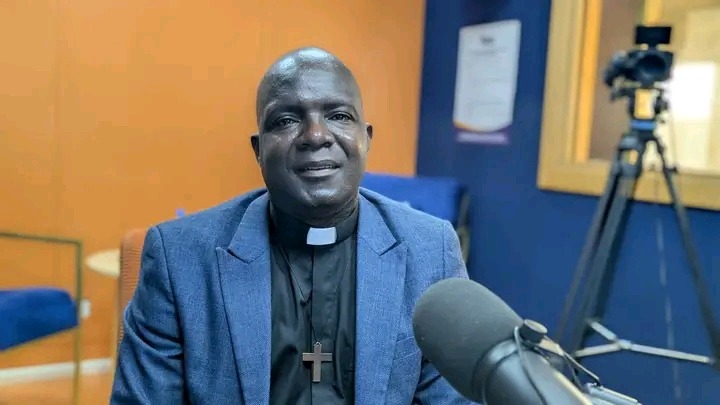
Council of Churches Zambia (CCZ): Opposes Amending Presidential Term Limits
Summary
- The Council of Churches in Zambia (CCZ) has declared it will not support constitutional amendments aimed at removing presidential term limits.
- The CCZ emphasizes that all constitutional amendments must be done in the interest of all Zambians.
- CCZ Secretary General James Phiri stated that the Constitution should be...
What Happened
For legal professionals advising on Zambian constitutional reform or assessing political stability, this firm opposition from a major religious body is a critical factor to consider, highlighting the presence of robust civil society pushback against changes that could be perceived as undermining democratic safeguards.
The Council of Churches in Zambia (CCZ), a prominent religious organization, has publicly declared its unwavering opposition to any constitutional amendments that would seek to eliminate presidential term limits within the country. This definitive statement underscores the CCZ's firm stance against legislative changes impacting the duration of presidential tenure. The organization has made it unequivocally clear that it will not endorse or support such reforms, signaling a significant point of contention in the ongoing discourse surrounding Zambia constitutional amendment term limits.
James Phiri, who holds the position of Secretary General for the Council of Churches in Zambia, articulated this critical position. While the full context of his remarks regarding the nature of the Constitution itself was not entirely detailed in the available report, his involvement highlights the leadership's direct engagement with this sensitive issue. The CCZ's declaration serves as a crucial intervention in the national conversation about Zambian presidential tenure reform, emphasizing a commitment to established democratic principles.
Guiding Principles for Constitutional Reform
Beyond its specific opposition to altering presidential term limits, the CCZ has laid down a fundamental principle that it believes should govern all constitutional amendments in Zambia. The Council of Churches in Zambia insists that any modifications to the nation's supreme law must be meticulously crafted and implemented solely in the interest of all Zambians. This overarching requirement sets a high standard for legislative action, suggesting that constitutional changes should be driven by collective national benefit rather than partisan or individual agendas.
This emphasis on the common good is central to the Council of Churches Zambia constitution philosophy. The organization's perspective frames constitutional reform as a process that demands broad consensus and a clear demonstration of how proposed changes will genuinely serve the populace. Although the precise elaboration of what Secretary General James Phiri believes the Constitution "should be" remains partially reported, the CCZ's broader message reinforces the imperative for the nation's foundational document to uphold principles of equity and widespread benefit.
Broader Implications for Zambian Governance
The resolute position adopted by the Council of Churches in Zambia carries substantial weight for the country's political stability and the trajectory of future constitutional discussions. As an influential civil society actor, the CCZ's explicit rejection of proposals to remove presidential term limits indicates a significant source of potential resistance to such legislative endeavors. For legal professionals advising on Zambian constitutional reform or assessing political stability, this firm opposition from a major religious body is a critical factor to consider, highlighting the presence of robust civil society pushback against changes that could be perceived as undermining democratic safeguards.
This clear declaration from the CCZ suggests that any governmental or legislative attempts to modify presidential term limits would likely encounter considerable public scrutiny and organized opposition from key non-state stakeholders. The organization's insistence that constitutional amendments must genuinely serve the interests of all Zambians introduces a powerful ethical and moral dimension into the legal and political debate, potentially elevating the political risk associated with pursuing such reforms. The Council of Churches in Zambia's stance thus emerges as an indispensable element in understanding the complex dynamics of Zambian presidential tenure reform and its broader implications for the nation's democratic future.
Practical Implications
Lawyers advising on Zambian constitutional reform or political stability should note the Council of Churches in Zambia's firm opposition to removing presidential term limits, indicating significant civil society resistance to such legislative changes and potential political risk.
Source
How does this affect you?
Get an AI analysis of this article grounded in your jurisdictions, practice areas, and any policy documents you've uploaded to Wansom.
Finish Reading the Full Story and the Expert Analysis.
Get the latest legal & regulatory intelligence in Zambia
Wansom is AI and can make mistakes.