
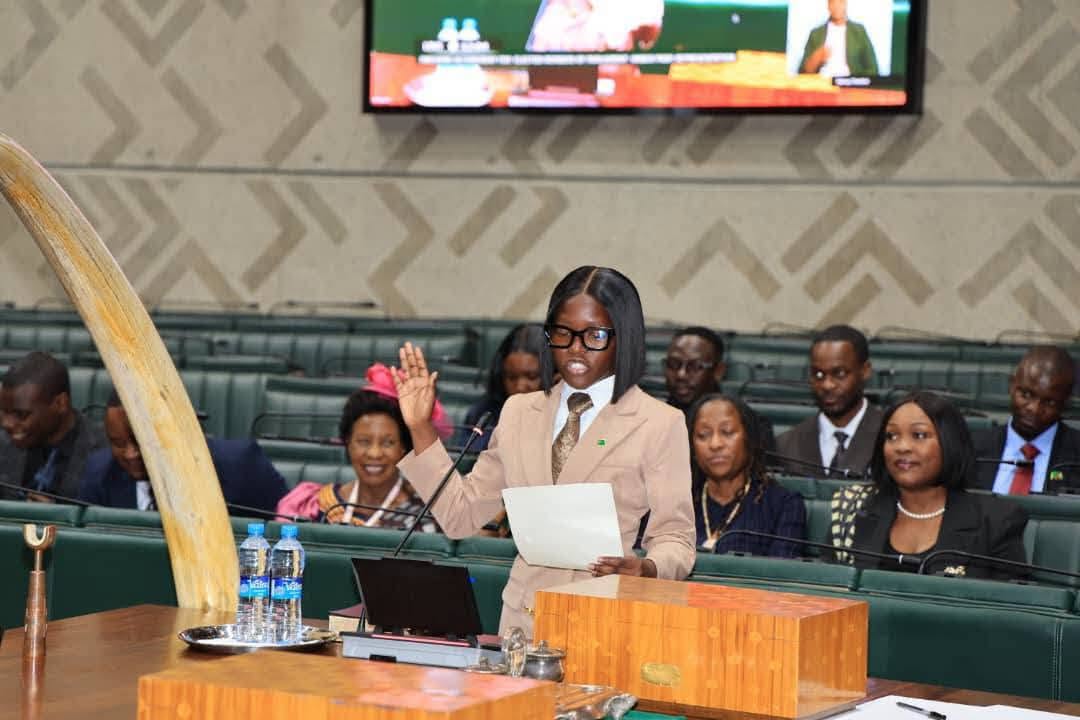
Zambia National Assembly: 40 PR MPs Sworn In, Boosting Diversity
Summary
- Speaker Nelly Mutti recently swore in 40 new Members of Parliament in Lusaka.
- These MPs were inducted under Zambia's Mixed Member Proportional Representation system.
- The new cohort includes 20 women, 15 youths, and 5 persons with disabilities.
- The ceremony took place at the National Assembly Chamber.
Key Parliamentary Development
For legal professionals and stakeholders, this development signals a crucial shift in the composition of the Zambian National Assembly.
The Zambian National Assembly recently saw a significant expansion of its membership with the swearing-in of forty new Members of Parliament (MPs). This pivotal event, presided over by Speaker Nelly Mutti, took place within the distinguished confines of the National Assembly Chamber located in Lusaka. These new legislators were integrated into the parliamentary body through the nation's Mixed Member Proportional Representation (MMPR) system, a mechanism designed to ensure broader and more diverse representation within the legislative framework.
This influx of forty proportional representation MPs marks a notable moment for the Zambian parliament, directly impacting its overall composition. The ceremony itself underscores the ongoing operational aspects of Zambia's democratic processes, where the formal induction of elected or appointed representatives is a constitutional imperative. The Speaker's role in administering the oath of office is a fundamental procedural step, solidifying the legal standing of these individuals to participate in national governance and legislative duties.
Diverse Representation in the Assembly
A defining characteristic of this new cohort of Zambian MPs is its demographic diversity, reflecting a deliberate effort to broaden the voices present in the National Assembly. Among the forty individuals sworn in, a substantial number are women, with twenty female representatives now taking their seats. This significant inclusion of women is complemented by the representation of younger demographics, as fifteen youths have also joined the parliamentary ranks. Furthermore, the cohort includes five persons with disabilities, ensuring that this often-underrepresented group has direct advocacy within the legislative body.
This specific composition highlights the intent behind the proportional representation mechanism in Zambia, aiming to foster a more inclusive political landscape. The integration of such varied perspectives — encompassing gender, age, and disability status — is poised to enrich legislative debates and policy formulation. It ensures that the diverse experiences and needs of the Zambian populace are brought directly to the forefront of national decision-making, potentially leading to more equitable and comprehensive policy outcomes.
Implications for Zambian Governance
The swearing-in of these forty proportional representation MPs, particularly under the Zambian Mixed Member Proportional Representation system, carries substantial implications for the future trajectory of the Zambian National Assembly. This expansion and diversification of parliamentary membership inherently alters the legislative dynamics, potentially influencing the balance of power and the nature of policy discussions. The presence of new Zambian MPs, specifically those representing women, youth, and persons with disabilities, is expected to introduce fresh perspectives and priorities into parliamentary proceedings.
For legal professionals and stakeholders, this development signals a crucial shift in the composition of the Zambian National Assembly. It necessitates close monitoring of parliamentary proceedings, as the varied backgrounds of these new members could lead to different legislative priorities and approaches to policy. Lawyers advising clients on matters impacted by national legislation will need to remain attuned to how these changes might influence future debates, the introduction of new bills, or amendments to existing laws, thereby shaping the legal and regulatory environment in Zambia. The integration of these forty PR MPs is a tangible manifestation of efforts to enhance representative democracy, with potential long-term effects on the nation's governance and legal landscape.
Practical Implications
This development signals a change in the composition of the Zambian National Assembly, which could influence future legislative debates and policy directions, requiring lawyers to monitor parliamentary proceedings for potential impacts on clients.
Source
How does this affect you?
Get an AI analysis of this article grounded in your jurisdictions, practice areas, and any policy documents you've uploaded to Wansom.
Finish Reading the Full Story and the Expert Analysis.
Get the latest legal & regulatory intelligence in Zambia
Wansom is AI and can make mistakes.