
Yemen al-Waziyah Market Airstrike: 30 Dead in Deadly Attack
Summary
- A market in al-Waziyah, Taiz province, Yemen, was hit by airstrikes on a Friday, killing at least 30 people and wounding eight.
- Houthi rebels blamed Saudi Arabia for the attack, claiming warplanes took off from Khamis Mushait air base.
- Yemeni government authorities in Taiz, however, accused the Houthis and denied any airstrikes were conducted in the area.
- The Associated Press could not independently verify the conflicting claims of responsibility for the incident.
- The attack is one of the deadliest since fighting resumed between Houthi rebels and Saudi-backed government forces, occurring in a province largely controlled by Houthis who besiege the capital.
Deadly Market Attack
The conflicting claims regarding the Taiz market attack Yemen, coupled with the significant Yemen conflict civilian casualties, highlight the urgent need for scrutiny under international humanitarian law.
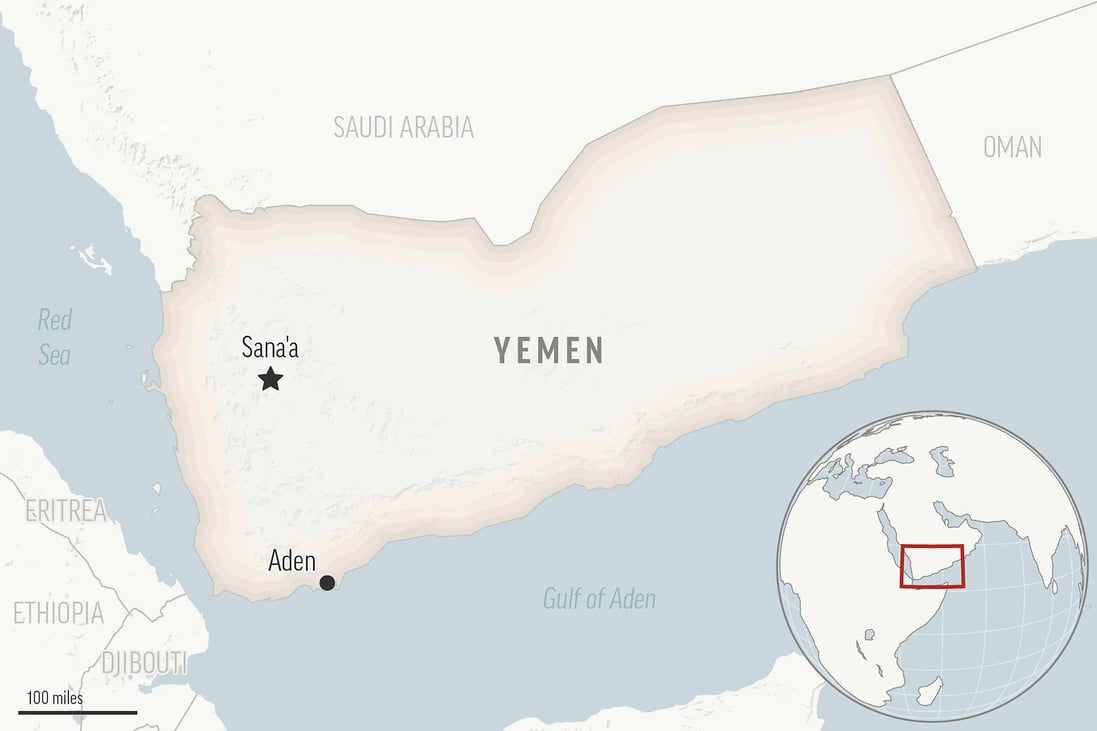
A market in southwestern Yemen became the site of a deadly airstrike on a Friday, resulting in the deaths of at least 30 individuals and injuring eight others. The incident, which occurred at the al-Hadara market in al-Waziyah within the Taiz province around 7 a.m., was reported by Anees Alsabahi, a spokesperson for the Houthi health ministry. This attack represents one of the most severe incidents since the resurgence of hostilities between Houthi rebels and Saudi-backed government forces.
Footage broadcast by Al-Masirah depicted columns of smoke ascending from the location, revealing a damaged structure that once housed canned goods, alongside destroyed vehicles, scattered fruit boxes, and extensive debris. While it remained unclear how many people were present at the market during the early morning hours, Fridays typically see high activity in such venues across much of the Arab world, which observes the day as a holiday. The significant Yemen conflict civilian casualties underscore the ongoing dangers faced by non-combatants in the region.
Disputed Responsibility
Following the al-Waziyah market airstrike, both the Houthi rebels and Yemen’s Saudi-backed military immediately exchanged accusations regarding culpability. Houthi military spokesperson Yahya Saree asserted that three airstrikes targeted the market, attributing them to Saudi Arabia. Saree further claimed that the warplanes involved originated from the Khamis Mushait air base and departed the Taiz province approximately an hour after the attack, around 8 a.m., though he did not offer supporting evidence for these assertions.
Conversely, authorities aligned with the Yemeni government in Taiz placed the blame squarely on the Houthis for the Taiz market attack Yemen, simultaneously denying that any airstrikes were conducted in the vicinity. The Saudi Arabian information ministry did not provide an immediate response to inquiries for comment. Given these contradictory statements, The Associated Press was unable to independently corroborate either side's claims regarding the deadly incident. The provincial media office, in a Facebook statement, acknowledged the attack and reported casualties without providing specific details, while also highlighting that "indiscriminate Houthi missile attacks," including ballistic missiles, imperil civilian lives and emphasized the need to protect markets and populated areas.
Taiz: A Besieged City
The province of Taiz, where the al-Hadara market is located, is largely under the control of Houthi forces, who have maintained a siege on the provincial capital. This capital serves as the base for the Saudi-allied government and its military. The Houthis intensified their advance on Taiz, a critical gateway to southern Yemen, in September, shortly after their rapid capture of the port city of Mokha, situated approximately 130 kilometers away and vital for controlling Red Sea shipping routes.
The tightening encirclement of Taiz city by the rebels has severely exacerbated an already dire humanitarian situation for its civilian inhabitants. Residents face significant challenges in securing essential supplies such as drinking water and food, as the Houthis restrict movement into the city. Despite efforts by government forces in the surrounding hills to repel the Houthis, they encounter substantial resistance, particularly to the east of the city. Analysts suggest that gaining control of Taiz city is crucial for the Houthis if they intend to push further south towards Aden and Lahj, though experts have previously indicated this would be a difficult endeavor.
Wider Conflict Dynamics
The al-Waziyah market airstrike occurs within a broader pattern of escalating violence and accusations in the Yemen conflict. Just last month, Houthi rebels launched ballistic missile strikes against Yemeni government forces, resulting in the deaths of at least 75 soldiers and injuries to approximately 200 recruits at a military camp in the southern province of Shabwa, an attack the rebels acknowledged. In a separate incident in September, the Houthis accused Saudi Arabia of striking a prison in Hazm, the capital of Jawf province, where coalition strikes in the area led to the collapse of the facility and the deaths of at least 23 people.
These incidents underscore the ongoing and complex nature of the conflict, where civilian infrastructure and populations frequently bear the brunt of hostilities. The conflicting claims regarding the Taiz market attack Yemen, coupled with the significant Yemen conflict civilian casualties, highlight the urgent need for scrutiny under international humanitarian law.
Practical Implications
Lawyers specializing in international humanitarian law or war crimes should monitor developments regarding the al-Waziyah market airstrike in Yemen. The conflicting claims of responsibility and significant civilian casualties raise potential issues of accountability for violations of the laws of armed conflict, particularly concerning the protection of civilians and civilian objects in conflict zones.
Source
How does this affect you?
Get an AI analysis of this article grounded in your jurisdictions, practice areas, and any policy documents you've uploaded to Wansom.
Wansom is AI and can make mistakes.