
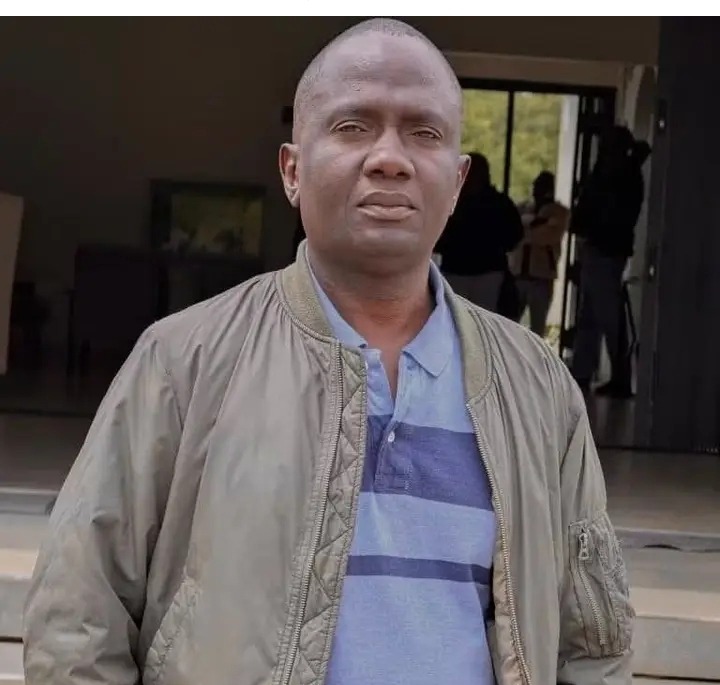
Wright Musoma: Rejects Calls to Remove Zambia Presidential Term Limit
Summary
- Wright Musoma, President of the Zambia Republican Party (ZRP), has rejected proposals to remove Zambia's constitutional presidential term limit.
- Musoma described the potential removal of the term limit as a threat to democratic governance.
- The renewed debate follows recent calls from some members and sympathizers of the ruling UPND.
- These calls specifically advocate for the removal of the term limit for President Hakainde Hichilema.
Musoma's Stance on Term Limits
Musoma unequivocally rejects these calls, characterizing any such move as a direct threat to the foundational principles of democratic governance within the nation.
Wright Musoma, who leads the Zambia Republican Party (ZRP), has publicly voiced strong opposition to recent proposals advocating for the removal of the constitutional restriction on presidential terms in Zambia. Musoma unequivocally rejects these calls, characterizing any such move as a direct threat to the foundational principles of democratic governance within the nation. His firm stance underscores a growing concern among some political figures regarding the potential erosion of established democratic norms.
The current resurgence of this contentious debate surrounding the Wright Musoma Zambia presidential term limit issue stems from recent appeals made by certain members and sympathizers affiliated with the ruling United Party for National Development (UPND). These individuals have specifically called for the constitutional term limit to be lifted for the incumbent head of state, President Hakainde Hichilema. Musoma's intervention highlights the increasing intensity of this discussion, bringing the issue of presidential tenure back into the national spotlight and emphasizing the critical role such limits play in maintaining a balanced political landscape. His comments serve as a significant contribution to the ongoing public discourse.
The Constitutional Framework and Debate
The concept of a presidential term limit is enshrined within Zambia's constitutional framework, serving as a critical safeguard against the concentration of power and promoting regular democratic transitions. The ongoing Zambia presidential term limit debate therefore directly implicates the nation's supreme law. Any move to eliminate this provision would necessitate a formal Zambia constitutional amendment presidential process, a significant undertaking with far-reaching implications for the country's governance structure. Such an amendment would fundamentally alter the established rules governing presidential eligibility and tenure, potentially reshaping the political landscape for generations.
Musoma's rejection of these calls is rooted in the understanding that constitutional provisions, particularly those pertaining to the highest office, are not merely procedural but are integral to the health and stability of a democratic system. The debate is not just about an individual leader but about the enduring principles of constitutionalism and the rule of law. The calls from elements within the UPND to remove this limit have reignited a discussion about the sanctity of constitutional provisions and the potential consequences of altering them to suit contemporary political desires, prompting figures like Musoma to speak out against what he perceives as a dangerous precedent.
Implications for Democratic Governance
The concerns articulated by Wright Musoma regarding the proposed removal of the presidential term limit extend to the very core of Zambia's democratic future. He views the proposition as inherently dangerous, posing a significant threat to the country's democratic governance. This perspective aligns with broader international understandings that term limits are vital mechanisms designed to prevent authoritarianism, foster accountability, and ensure a peaceful transfer of power. Without such limits, there is an increased risk of leaders entrenching themselves indefinitely, potentially undermining institutional checks and balances and stifling political competition.
The UPND presidential term limit calls have thus ignited a critical discussion about the trajectory of Zambian democracy. Musoma's firm stance, emphasizing that he "rejects term limit removal," underscores the belief that maintaining these constitutional safeguards is paramount for preserving the integrity of the electoral process and preventing a slide towards autocratic rule. The debate highlights the tension between the desire for continuity in leadership and the fundamental democratic principle of periodic renewal and accountability, making the outcome of this discussion a crucial indicator for Zambia's commitment to its democratic ideals.
Practical Implications
Lawyers advising on constitutional matters or political risk in Zambia should monitor this ongoing debate regarding presidential term limits, as it signals potential future constitutional amendments that could impact governance structures and political stability.
Source
How does this affect you?
Get an AI analysis of this article grounded in your jurisdictions, practice areas, and any policy documents you've uploaded to Wansom.
Finish Reading the Full Story and the Expert Analysis.
Get the latest legal & regulatory intelligence in Zambia
Wansom is AI and can make mistakes.