
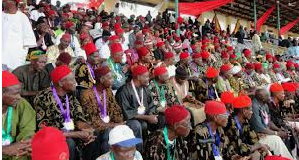
World Igbo Congress: Issues Warning on Igbo Threats in Nigeria
Summary
- The World Igbo Congress (WIC) has publicly cautioned politicians and their supporters against intimidating Igbo individuals for their political decisions.
- WIC Vice-Chairman Basil Onwukwe issued this warning during an interview on 90MinutesAfrica.
- The organization declared it would no longer remain silent when such threats jeopardize the lives and property of Igbo people.
- This intervention highlights concerns about ethnic targeting and the protection of political rights within Nigeria's electoral environment.
WIC Issues Stern Warning
The World Igbo Congress's decision to publicly warn politicians against threatening Igbos over their political choices marks a significant moment, indicating that the organization will no longer passively observe actions that could lead to harm.
The World Igbo Congress (WIC) has issued a firm caution to political figures and their supporters across Nigeria, urging them to cease any actions that involve threatening or intimidating individuals of Igbo descent based on their political affiliations or choices. This significant declaration signals a shift in the organization's approach, as it explicitly stated its intention to abandon its previous silence when such behaviors pose a risk to the safety and assets of its community members. The World Igbo Congress warning regarding Igbo threats in Nigeria highlights a growing concern within the nation's volatile political landscape.
Basil Onwukwe, who serves as the Vice-Chairman of the World Igbo Congress, delivered this critical message during an interview. Speaking with Rudolf Okonkwo on the program 90MinutesAfrica, Onwukwe articulated the WIC's firm stance against any form of harassment or coercion directed at the Igbo populace. The context of this warning is rooted in the current political climate, particularly concerning the choices made by Igbo individuals, which the WIC believes are being met with undue pressure and potential danger. This intervention by the WIC warns politicians about Igbo intimidation, underscoring the persistent challenges faced by ethnic groups in exercising their democratic rights without fear of reprisal.
Legal and Electoral Implications
The pronouncement by the World Igbo Congress underscores a critical aspect of Nigeria's democratic process: the imperative for all citizens to exercise their political rights without fear of intimidation or ethnic targeting. The WIC's explicit mention of threats endangering "lives and property" directly invokes fundamental human rights and legal protections enshrined in both national and international statutes. Such warnings from the World Igbo Congress regarding Igbo threats in Nigeria serve as a stark reminder of the potential for electoral violence and the need for robust legal frameworks to safeguard the integrity of the voting process and the security of all citizens.
In a nation striving for democratic consolidation, the protection of Igbo political rights in Nigeria becomes paramount. When political actors or their proxies engage in actions perceived as intimidating, it not only undermines individual liberties but also casts a shadow over the fairness and credibility of elections. The Basil Onwukwe World Igbo Congress statement, delivered during his interview, implicitly calls upon regulatory bodies and law enforcement to uphold their mandate in preventing and prosecuting acts that could lead to Nigeria election ethnic threats. This proactive stance by the WIC aims to ensure that political participation is free from coercion, thereby fostering a more inclusive and equitable political environment for all.
Why This Warning Matters
The World Igbo Congress's decision to publicly warn politicians against threatening Igbos over their political choices marks a significant moment, indicating that the organization will no longer passively observe actions that could lead to harm. This shift from silence to vocal condemnation highlights the perceived escalation of political intimidation concerns, particularly for the Igbo community. The WIC's declaration that it "will no longer remain silent" suggests a readiness to take more assertive measures should the threats persist or materialize into actual harm, signaling a potential for increased advocacy and legal challenges in response to perceived injustices.
This warning from the World Igbo Congress regarding Igbo threats in Nigeria carries substantial weight, especially in the broader discourse surrounding ethnic representation and political freedom. The specific mention of "political choices" points to concerns about Peter Obi political intimidation, suggesting that support for particular candidates might be leading to undue pressure on the Igbo community. Such ethnic-based threats not only undermine the democratic principle of free association but also risk exacerbating inter-ethnic tensions, making the WIC's intervention a crucial call for restraint and respect for fundamental rights within Nigeria's complex political landscape. The organization's stance serves as a vital reminder to all stakeholders about the importance of fostering an environment where political participation is based on conviction, not fear.
Practical Implications
This warning highlights the persistent risk of political intimidation and ethnic targeting within Nigeria's electoral environment. Legal professionals should monitor for any escalation that could lead to actionable human rights violations or electoral disputes, advising clients on preventative measures and legal recourse.
Source
How does this affect you?
Get an AI analysis of this article grounded in your jurisdictions, practice areas, and any policy documents you've uploaded to Wansom.
Finish Reading the Full Story and the Expert Analysis.
Wansom is AI and can make mistakes.