
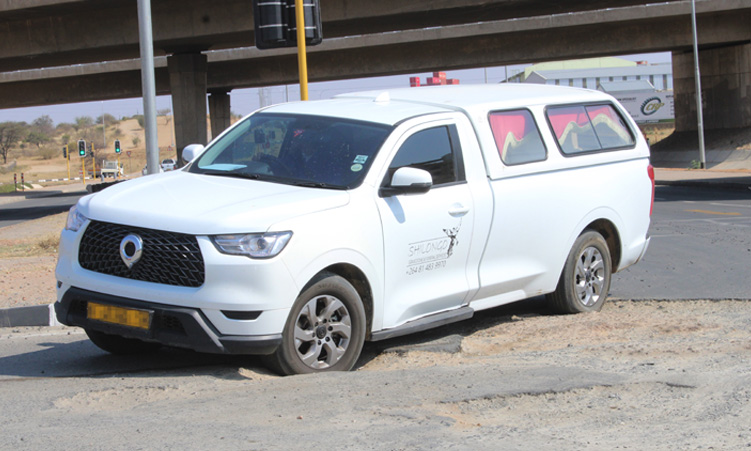
Windhoek Eneas Peter Nanyemba Road Construction Defects Raise Concerns
Summary
- A major road construction project in Windhoek has hit a snag with sections of the newly built dual carriageway showing signs of deterioration.
- The N$381 million Eneas Peter Nanyemba Road project may be impacted by contractual disputes and liability claims arising from construction defects.
- Lawyers advising on the project will need to carefully review contracts and agreements in place to mitigate potential risks.
What Happened
The project's timeline and budget may also be impacted by the discovery of construction defects, which could lead to contractual disputes and liability claims.
A major road construction project in Windhoek, the Eneas Peter Nanyemba Road, has hit a snag with sections of the newly built dual carriageway showing signs of deterioration before its official handover to the City of Windhoek. The 6.1-kilometre stretch, which connects the western off-ramp from the A1 highway to the Matshitshi Street intersection in Havana, was constructed at a cost of N$381 million. According to reports, the road's condition has raised concerns about its durability and safety, potentially affecting its usability once it is handed over to the city authorities.
The project's timeline and budget may also be impacted by the discovery of construction defects, which could lead to contractual disputes and liability claims. Lawyers advising on the project will need to carefully review the contracts and agreements in place to mitigate potential risks.
Legal Context
The Eneas Peter Nanyemba Road construction project is a significant infrastructure development in Windhoek, aimed at improving the city's transportation network. The project's value of N$381 million makes it one of the most expensive road upgrades in Namibia's history. As such, the discovery of construction defects and potential contractual disputes highlights the importance of robust legal frameworks and contract management in large-scale infrastructure projects.
In Namibia, the Public Procurement Act 15 of 2015, as amended by the Public Procurement Amendment Act 3 of 2022, governs public procurement processes, including those related to infrastructure development. The act emphasizes transparency, fairness, and accountability in the awarding of contracts. However, the recent developments on the Eneas Peter Nanyemba Road project suggest that more needs to be done to ensure that contractors meet their obligations and deliver quality workmanship.
Why It Matters
The deterioration of sections of the newly constructed Eneas Peter Nanyemba Road has significant implications for the City of Windhoek, its residents, and the broader Namibian economy. The road's condition raises concerns about public safety, which could lead to increased costs for repairs and maintenance. Furthermore, the potential contractual disputes and liability claims arising from construction defects may impact the project's timeline and budget, affecting the city's ability to provide essential services to its citizens.
The Eneas Peter Nanyemba Road project is a test case for Namibia's infrastructure development sector, highlighting the need for improved contract management, quality control measures, and accountability in public procurement processes.
Practical Implications
Lawyers advising on the project should watch for potential contractual disputes and liability claims arising from the construction defects, which may impact the project's timeline and budget.
Source
How does this affect your business?
Get an AI analysis of this article grounded in your jurisdictions, practice areas, and any policy documents you've uploaded to Wansom.
Wansom is AI and can make mistakes.