
Windhoek Councillor Questions Inaction on Street Children
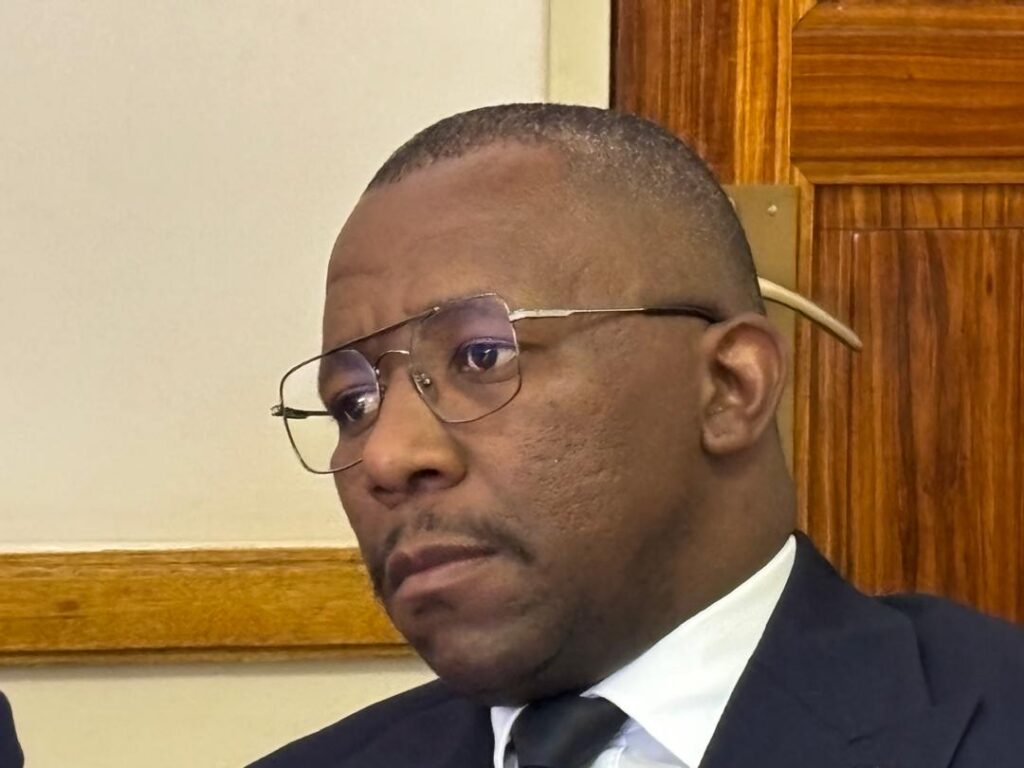
Landless People’s Movement (LPM) City of Windhoek councillor Ivan Skrywer has questioned the lack of government leadership regarding the increasing presence of children, identified as Angolan, begging and selling goods on Windhoek streets, citing complaints from residents and tourists about vehicle damage and harassment.
This situation carries significant legal and human rights implications, highlighting critical challenges in child protection, immigration enforcement, and municipal governance. The presence of vulnerable children, particularly foreign nationals, engaged in street activities, raises concerns about potential violations of their fundamental rights to education, protection from exploitation, and adequate living standards, as enshrined in both Namibian domestic law and international conventions. For the City of Windhoek and the national government, it underscores a perceived failure to adequately address complex social welfare issues, immigration control, and public order, which could negatively impact public safety, tourism, and the nation's international reputation.
The legal framework governing this issue is multi-layered. Internationally, Namibia is a signatory to the United Nations Convention on the Rights of the Child (UNCRC), which obliges the state to protect children from economic exploitation and ensure their access to education and social services. Domestically, the Child Care and Protection Act 3 of 2015 is the primary legislation safeguarding children's welfare and preventing their exploitation. Immigration control falls under the Immigration Control Act 7 of 1993, which regulates the entry, residence, and removal of foreign nationals. The City of Windhoek, operating under the Local Authorities Act 23 of 1992, possesses powers related to public order, bylaws, and the provision of social welfare services within its jurisdiction. The situation also implicates constitutional rights pertaining to children and the state's duty to protect vulnerable populations. The alleged Angolan nationality of the children introduces potential considerations regarding bilateral relations and cross-border migration, including the possibility of human trafficking.
Key parties involved include LPM City of Windhoek councillor Ivan Skrywer, the City of Windhoek, the Namibian government (specifically ministries responsible for social welfare, home affairs/immigration, and child protection), residents and tourists who have lodged complaints, and the children themselves, identified as Angolan. The outcome of this matter, specifically any government action or policy changes in response to the councillor's concerns, is not yet reported.
Attorneys advising local authorities, non-governmental organisations, or government agencies should be acutely aware of the complex interplay between child protection laws, immigration regulations, and municipal bylaws. They must be prepared to advise on the legal obligations of the state and local government under the Child Care and Protection Act and relevant international conventions, particularly concerning the welfare of unaccompanied or vulnerable foreign children. Legal professionals may also need to address potential human trafficking concerns, immigration status issues, and assist in the development of comprehensive strategies that effectively balance public order with human rights. Businesses operating in tourism or public spaces might seek legal counsel on managing public perception and safety concerns arising from such social issues, and on their responsibilities towards vulnerable populations encountered in their operations.
How does this affect you?
Get an AI analysis of this article grounded in your jurisdictions, practice areas, and any policy documents you've uploaded to Wansom.
Finish Reading the Full Story and the Expert Analysis.
Get the latest legal & regulatory intelligence in Namibia
Wansom is AI and can make mistakes.