
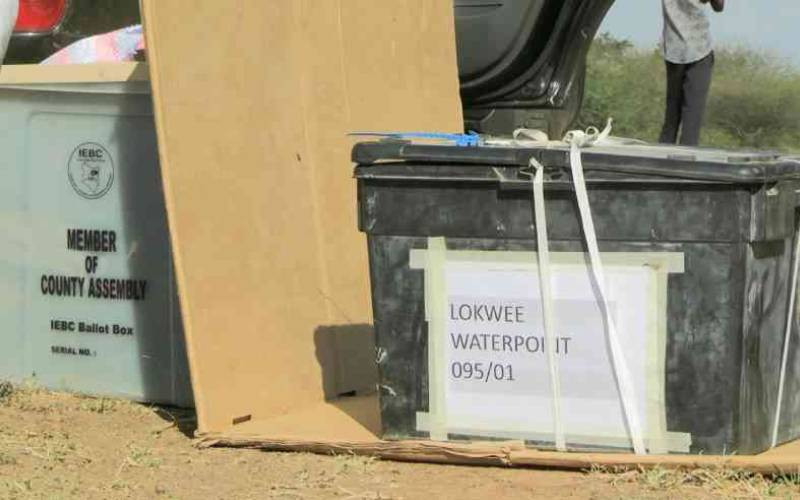
Why Kenyans' Trust Gap on IEBC Continues to Grow
Summary
- The IEBC in Kenya has proposed a bill to restrict live streaming of election results.
- The proposal has sparked widespread criticism from Kenyans who fear that access to real-time information could be curtailed during elections.
- The Commission has argued that the amendment is necessary to introduce an alternative transmission mechanism for areas without 3G network.
- Critics have pointed out that this could be used as a pretext to curtail transparency and access to information during elections.
What Happened
transparency is not going to be a favour by anybody, it is a democratic safeguard.
The Independent Electoral and Boundaries Commission (IEBC) in Kenya has proposed a bill to restrict live streaming of election results, sparking concerns about transparency and credibility. The proposal, which is part of efforts to safeguard the integrity of the tallying process, has been met with widespread criticism from Kenyans who fear that access to real-time information could be curtailed at the most critical stage of the democratic process. The bill, jointly sponsored by Senate Majority leader Aaron Cheruiyot and Minority leader Stewart Madzayo, seeks to repeal section 39(1)(g) of the Elections Act, which allows for live transmission of results displayed by the Commission at the National Tallying Centre. If approved, this could mean that live streaming of election results would not be allowed in the 2027 polls.
Legal and Regulatory Context
The proposed bill is part of a larger effort to amend the Elections Act, which governs Kenya's electoral management system. The Commission has argued that the amendment is necessary to introduce an alternative transmission mechanism for areas without the minimum 3G network required to electronically transmit results. However, critics have pointed out that this could be used as a pretext to curtail transparency and access to information during elections. The Supreme Court's decision in Presidential Election Petition No 1 of 2017, which affirmed that the election result is one recorded in the statutory Results Declaration Form (Form 34A Series), has been cited as justification for the proposed amendment.
Why It Matters
The proposal to restrict live streaming of election results has reignited long-standing public anxieties over transparency in Kenya's electoral management system. Kenyans have expressed concerns that this could undermine the integrity of polls and create anxiety among voters. The Commission's denial that the proposed law seeks to scrap the live transmission of election results has done little to alleviate these concerns, with many questioning the motive behind the proposal. As one user on X pointed out, 'transparency is not going to be a favour by anybody, it is a democratic safeguard.'
Practical Implications
Lawyers and compliance officers should watch for the potential implications of this proposal on the integrity of Kenya's electoral process, particularly in areas with limited internet connectivity. The proposed law may create uncertainty and undermine transparency, which could lead to increased scrutiny and potential challenges in future election-related disputes.
Source
How does this affect your business?
Get an AI analysis of this article grounded in your jurisdictions, practice areas, and any policy documents you've uploaded to Wansom.
Wansom is AI and can make mistakes.