
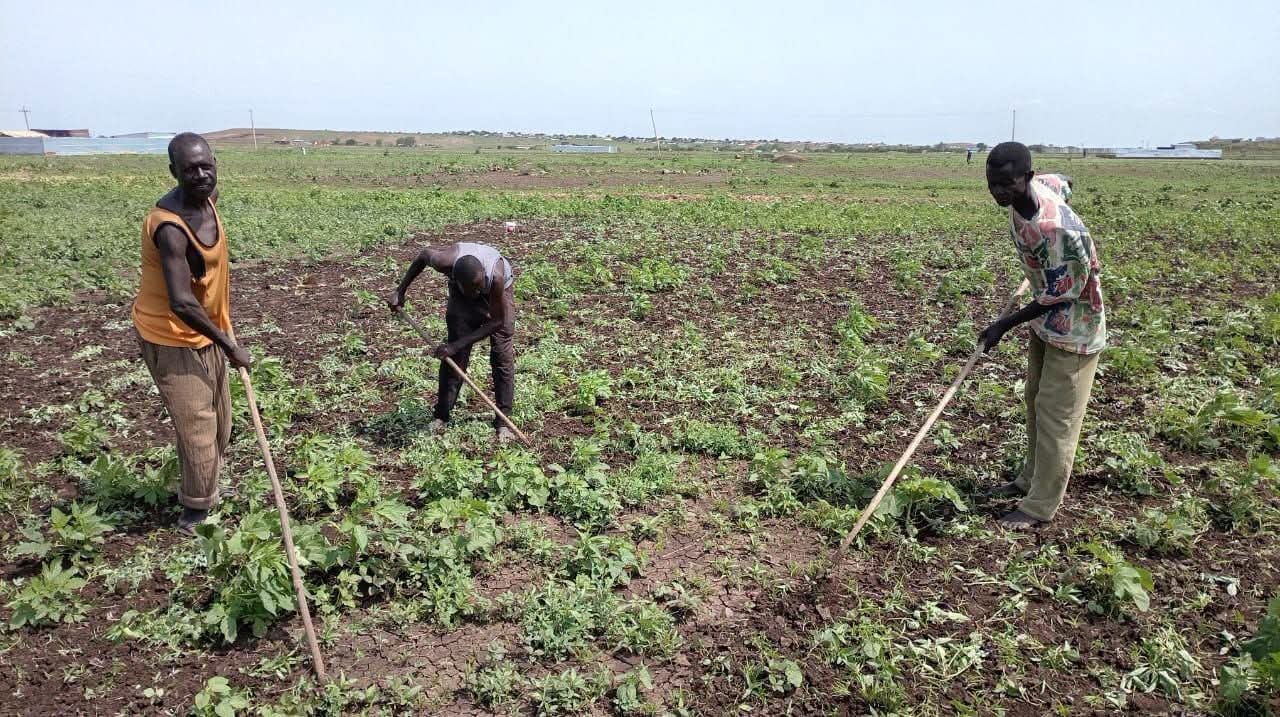
South Sudan Agricultural Output Drops Due to Drought: Officials
Summary
- Agricultural production in Sudan has been severely impacted by a decline in rainfall.
- Only 29% of the targeted land was cultivated for the current season, due to insufficient rainfall and power outages.
- The drought may exacerbate food insecurity in the region, affecting a significant portion of the population that relies on rain-fed agriculture.
- Lawyers advising clients on agricultural investments or trade in Sudan must consider the potential impact of this drought on their business dealings.
South Sudan Agricultural Output Drops Due to Drought
Agricultural production in Sudan has been severely impacted by a decline in rainfall, with only 29% of the targeted land being cultivated for the current season.
Agricultural production in Sudan has been severely impacted by a decline in rainfall, with only 29% of the targeted land being cultivated for the current season. This is according to officials from the state of Sennar, who attribute the low crop yield to insufficient rainfall, power outages, and rising production costs. The affected regions include central Sudan, Kordofan, and Darfur, where farmers have complained about the delayed and irregular rainfall patterns during the current summer season.
The consequences of this drought are far-reaching, with concerns that it may exacerbate food insecurity in the region. A significant portion of the population relies on rain-fed agriculture for their livelihoods and food sources. The decline in rainfall also affects the natural pastures used by herders to feed their livestock, which is estimated to be around 115.4 million heads in Sudan.
The agricultural sector is a crucial component of Sudan's economy, and any disruptions can have significant economic implications. Lawyers advising clients on agricultural investments or trade in Sudan may need to consider the potential impact of this drought on their business dealings.
Legal Context
The decline in rainfall and subsequent reduction in crop yield may have legal implications for investors, traders, and farmers operating in Sudan. Agricultural contracts, trade agreements, and insurance policies may need to be reviewed in light of this development. Lawyers advising clients on these matters will need to consider the potential consequences of the drought on their business dealings.
The Sudan Tribune has reported on the impact of climate change on agriculture in Sudan, highlighting the need for sustainable agricultural practices and climate-resilient infrastructure. This is particularly relevant given the country's reliance on rain-fed agriculture and the vulnerability of its agricultural sector to climate-related shocks.
As the situation continues to unfold, it is essential for stakeholders to stay informed about the latest developments and their potential implications for the agricultural sector in Sudan.
Why It Matters
The decline in rainfall and subsequent reduction in crop yield have significant implications for food security, economic stability, and human well-being in Sudan. The country's agricultural sector is a critical component of its economy, and any disruptions can have far-reaching consequences.
Lawyers advising clients on agricultural investments or trade in Sudan will need to consider the potential impact of this drought on their business dealings. This may involve reviewing contracts, trade agreements, and insurance policies to ensure that they are adapted to the changing circumstances.
The situation highlights the need for sustainable agricultural practices, climate-resilient infrastructure, and effective risk management strategies to mitigate the impacts of climate-related shocks on agriculture in Sudan.
Practical Implications
This development may impact lawyers advising clients on agricultural investments or trade in South Sudan, as a reduced harvest could lead to food insecurity and economic instability.
Source
How does this affect your business?
Get an AI analysis of this article grounded in your jurisdictions, practice areas, and any policy documents you've uploaded to Wansom.
Wansom is AI and can make mistakes.