
Western REGSEC: Intervenes In Betterland Gwira Mining Dispute
Summary
- The Western Regional Security Council intervened in a disagreement concerning Betterland Ghana Limited's mineral exploration activities at Gwira Banso in the Nzema East Municipality.
- The intervention brought together representatives from the mining company, traditional authorities, and community voices.
- Discussions aimed to address concerns regarding the company's current operations and its proposed transition to large-scale mining.
- This action highlights the critical role of regional security councils in mediating mining disputes and fostering community relations in Ghana.
- The case underscores the importance for mining companies to manage community concerns, especially during operational transitions, to ensure project approvals and compliance.
Western REGSEC Intervenes in Mining Dispute
Lawyers advising mining or natural resource clients in Ghana should closely monitor these types of interventions.
The Western Regional Security Council (REGSEC) has stepped in to address a growing disagreement concerning the mineral exploration activities of Betterland Ghana Limited. This intervention focuses on operations situated at Gwira Banso, a community within the Nzema East Municipality. The council's involvement underscores the escalating nature of the Betterland Ghana Limited mining conflict, which has drawn significant attention from local stakeholders.
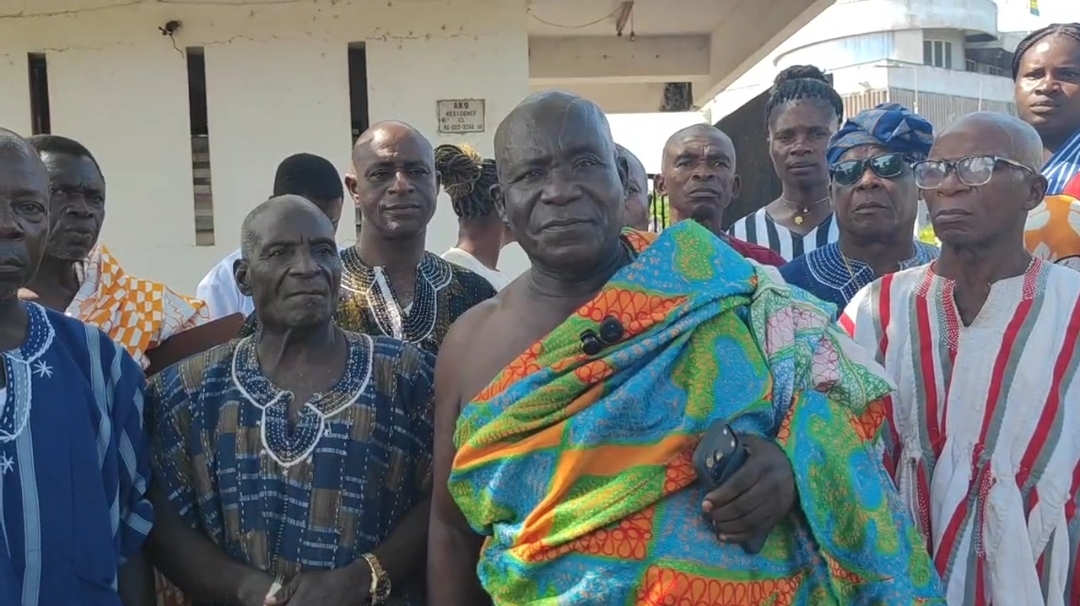
In a proactive move, the Western Regional Security Council mining initiative brought together key parties to facilitate dialogue. Representatives from Betterland Ghana Limited, alongside traditional authorities and community voices, participated in discussions. The primary objective of these engagements was to address the various concerns raised regarding the company's current activities and its future plans, particularly its proposed transition from exploration to large-scale mining operations.
REGSEC's Mandate in Resource Governance
The involvement of the Western Regional Security Council in the Gwira Banso mineral exploration dispute highlights the critical role regional security bodies play in Ghana's resource sector. These councils are mandated to ensure peace and stability, often acting as crucial mediators in conflicts that arise between corporate entities and local populations, especially in areas rich in natural resources. Their intervention in the Nzema East mining intervention demonstrates a commitment to addressing community grievances before they escalate.
Such interventions are vital for maintaining social cohesion and ensuring that mining activities proceed with the necessary community buy-in. The council's ability to convene diverse stakeholders—from company executives to traditional leaders—positions it as an essential forum for dispute resolution, particularly when significant operational changes, like a shift to large-scale mining, are on the horizon. This proactive approach is a hallmark of Ghana's governance framework in managing the complexities of resource extraction.
Navigating Operational Transitions and Community Relations
The core of the Western REGSEC Betterland Gwira mining dispute revolves around the company's activities and its intended shift to large-scale mining. This transition phase is often a flashpoint for conflict, as it typically involves a greater footprint, increased resource demands, and potentially more significant environmental and social impacts on local communities. Addressing these concerns proactively is paramount for sustainable mining operations in Ghana.
Effective Ghana mining community relations are indispensable for companies like Betterland Ghana Limited. The concerns raised by traditional authorities and community voices indicate the need for transparent communication, robust engagement, and clear benefit-sharing mechanisms. The REGSEC's intervention serves as a reminder that securing social license to operate is as crucial as obtaining regulatory permits, particularly when moving from preliminary exploration to full-scale production.
Implications for Mining Stakeholders
This intervention by the Western Regional Security Council carries significant implications for all stakeholders in Ghana's mining sector. For mining companies, it underscores the necessity of integrating community engagement and dispute resolution mechanisms into their operational strategies from the outset. The outcome of such mediations can directly influence project timelines, operational continuity, and the overall success of mining ventures.
Lawyers advising mining or natural resource clients in Ghana should closely monitor these types of interventions. They offer valuable insights into the active role of regional security councils in mediating mining disputes, particularly those involving community concerns and operational transitions. Understanding these dynamics is crucial for developing effective community relations strategies, ensuring regulatory compliance, and navigating the complex legal and social landscape of Ghana's mining industry.
Practical Implications
This intervention highlights the active role of regional security councils in mediating mining disputes in Ghana, particularly those involving community concerns and operational transitions. Lawyers advising mining or natural resource clients in Ghana should monitor such interventions as they can influence project approvals, community relations strategies, and regulatory compliance.
Source
Source: Original reporting via GhanaWeb
How does this affect you?
Get an AI analysis of this article grounded in your jurisdictions, practice areas, and any policy documents you've uploaded to Wansom.
Finish Reading the Full Story and the Expert Analysis.
Get the latest legal & regulatory intelligence in Ghana
Wansom is AI and can make mistakes.