
West Central Africa Customs Intelligence Pledge: Nations Solidify Regional Cooperation
Summary
- Customs authorities across West and Central Africa have committed to enhancing intelligence sharing and cross-border enforcement.
- This pledge emerged from the 17th Joint Annual Meeting of WCO RILO National Contact Points, hosted by the Liberia Revenue Authority.
- The initiative aims to combat sophisticated criminal networks involved in smuggling, illicit trafficking, and customs fraud.
- Officials stressed the critical need for intelligence to translate into timely investigations and coordinated enforcement actions.
- Recommendations include strengthening legal frameworks, investing in training, and ratifying the Nairobi Convention to boost regional customs cooperation.
Regional Commitment to Enhanced Enforcement
He emphasized that intelligence shared without being executed to its logical conclusion represents a fundamental failure of all invested efforts.
Customs authorities across West and Central Africa have recently solidified their commitment to bolster intelligence sharing, fortify cross-border enforcement, and deepen regional collaboration. This concerted effort aims to counter increasingly sophisticated networks engaged in smuggling, illicit trafficking, customs fraud, and various forms of transnational organized crime. The significant pledge emerged from the 17th Joint Annual Meeting of National Contact Points (NCPs) for the World Customs Organization’s (WCO) Regional Intelligence Liaison Offices (RILO) in West and Central Africa.
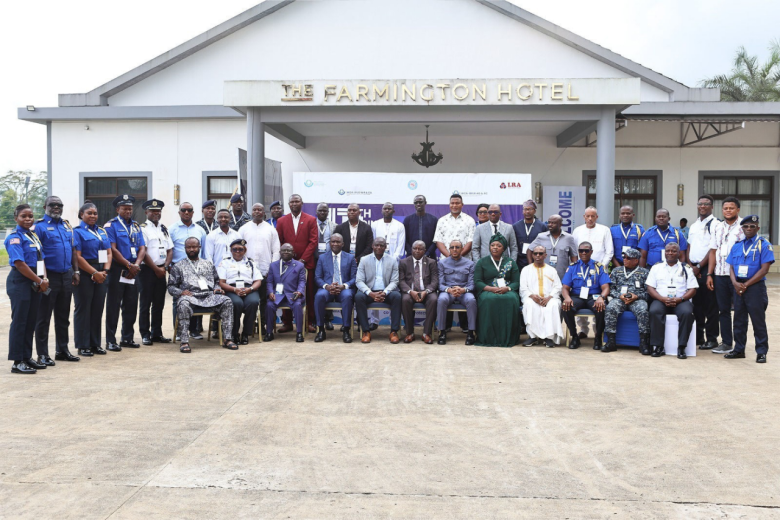
The Liberia Revenue Authority (LRA) hosted this crucial gathering at the Farmington Hotel in Margibi County, which took place from November 2 to 6. More than 40 delegates, representing over 17 nations, convened alongside various regional and international partners. Their agenda included a thorough assessment of emerging security threats, an examination of existing weaknesses within intelligence-sharing networks, and the development of coordinated strategies to combat criminal activities that exploit national borders and complex international trade routes.
Addressing Evolving Threats
A central tenet of the discussions was the recognition that mere intelligence sharing is insufficient; information must be actively translated into timely investigations, coordinated enforcement actions, and demonstrable results. Participants advocated for a more integrated regional approach, urging national customs administrations to enhance their capabilities in identifying criminal networks, monitoring suspicious trade activities, and coordinating enforcement responses to threats that transcend national boundaries. This West Central Africa customs intelligence pledge underscores a proactive stance against evolving criminal tactics.
Saa Saamoi, Liberia’s Commissioner of Customs, highlighted the rapid adaptability of criminal organizations to shifts in international commerce and global supply chains. He stressed the imperative for customs authorities to become more strategic, responsive, and technologically advanced. Commissioner Saamoi articulated the dual responsibility of customs administrations: facilitating legitimate international trade while simultaneously safeguarding national borders, protecting society and the environment, and ensuring effective government revenue mobilization. He emphasized that intelligence shared without being executed to its logical conclusion represents a fundamental failure of all invested efforts.
Strengthening Operational Capacity
To bridge the critical gap between intelligence collection and enforcement, Commissioner Saamoi urged participating nations to reinforce their national legal frameworks, invest in specialized professional training, and establish robust monitoring mechanisms. These measures are designed to ensure that intelligence reports culminate in concrete operational outcomes. Furthermore, he encouraged member administrations to pursue Nairobi Convention ratification and improve the follow-up process for intelligence requests, particularly those concerning emerging patterns of customs fraud and illicit trade. The implementation of these recommendations is slated for priority consideration at the upcoming Directors General of Customs meeting.
The efficacy of National Contact Points (NCPs) was a recurring theme, as they serve as vital operational links between national customs administrations and the WCO’s regional intelligence network. Amandu Tejan Cisse, Director General of RILO West Africa, underscored that the regional intelligence system's effectiveness hinges on NCPs moving beyond simple information transmission to facilitate meaningful coordination among national and regional enforcement structures. He stressed that these contact points require clearly defined responsibilities, adequate resources, appropriate working conditions, and sustained institutional support to fulfill their functions effectively. Diya Abezene Portia, the RILO National Contact Point for the Central African Republic, further reinforced the necessity of modernizing customs enforcement systems and strengthening regional customs cooperation to combat smuggling.
Practical Implications
Lawyers and compliance officers advising clients engaged in cross-border trade in West and Central Africa should anticipate intensified scrutiny and enforcement actions by customs authorities. This necessitates a review of existing compliance protocols related to customs declarations, anti-smuggling measures, and illicit trade to mitigate increased exposure to investigations and penalties.
Source
How does this affect you?
Get an AI analysis of this article grounded in your jurisdictions, practice areas, and any policy documents you've uploaded to Wansom.
Finish Reading the Full Story and the Expert Analysis.
Get the latest legal & regulatory intelligence in Liberia
Wansom is AI and can make mistakes.