
Bombay High Court Rejects Bulldozer Justice, Lets Doctor Voluntarily Remove Hospital Encroachment
The Bombay High Court has explicitly rejected coercive municipal demolitions, allowing a Satara-based physician to voluntarily dismantle the road-obstructing portion of his hospital building.
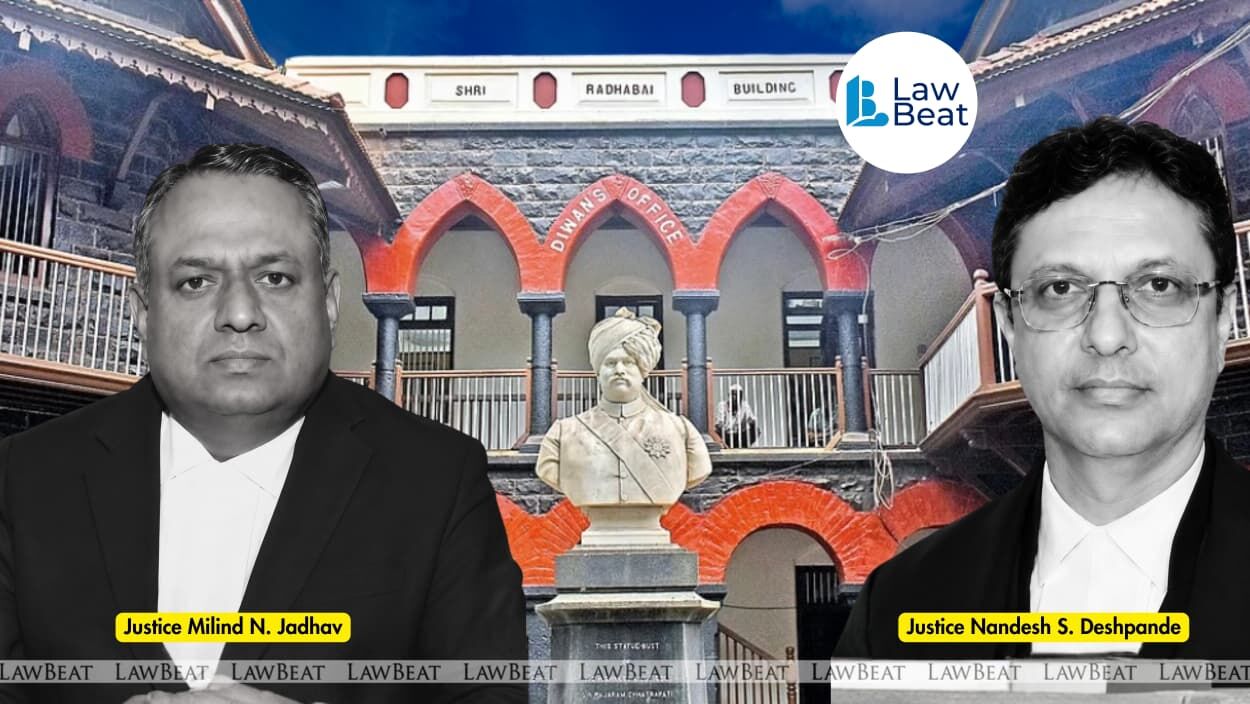
A Division Bench comprising Justice Milind N. Jadhav and Justice Nandesh S. Deshpande ruled on a petition filed by Dr. Dilip Malharrao Patil, who challenged demolition notices issued by the Satara Municipal Council for a 15-meter Development Plan road project.
The High Court observed that while road widening serves an important public purpose, administrative authorities cannot bypass due process or resort to destructive measures against operational healthcare facilities.
Core Elements of the High Court Ruling:
Rejection of Coercive Demolition: Explicitly declared that the court does not support "bulldozer justice" when property owners are willing to comply with municipal plans.
Protection of Hospital Operations: Permitted the doctor to voluntarily remove the affected structure within four weeks to prevent damage to the remaining hospital building.
Preservation of Compensation Rights: Clarified that handing over the road-widening land does not forfeit the owner's statutory rights to seek compensation or Transferable Development Rights (TDR).
Self-Funded Undertaking: Required the petitioner to submit a formal undertaking confirming he will conduct the partial demolition using his own manpower and machinery.
Independent Report Confirms Building Integrity
The High Court initially intervened after observing that municipal authorities appeared to be moving with undue haste to demolish the premises.
The bench instructed the Satara Municipal Commissioner to conduct an on-site inspection. The resulting technical report confirmed that the proposed 15-meter road alignment did not compromise the hospital's primary load-bearing structure, affecting only an outer balcony section.
The High Court described the inspection findings as encouraging, confirming that targeted voluntary removal could clear the road alignment without forcing the hospital to close.
Key Judicial Directives Issued:
Four-Week Compliance Window: Granted the property owner four weeks to execute the partial demolition according to the inspection report.
Conditional Municipal Power: Restricted municipal authorities from taking coercive action unless the petitioner fails to fulfill his voluntary demolition undertaking.
Statutory Remedies Preserved: Ensured the land transfer remains subject to fair compensation negotiations under the Land Acquisition Act, 2013.
Judiciary Emphasizes Procedural Due Process
The Bombay High Court emphasized that public infrastructure projects must balance civic development with constitutional property protections.
By allowing the property owner to carry out the necessary structural modifications independently, the court ensured that local road expansion moves forward while preventing unnecessary destruction to active medical infrastructure.
The bench disposed of the petition after recording the doctor's undertaking and confirming the road alignment schedule.
How does this affect your business?
Get an AI analysis of this article grounded in your jurisdictions, practice areas, and any policy documents you've uploaded to Wansom.
Wansom is AI and can make mistakes.