
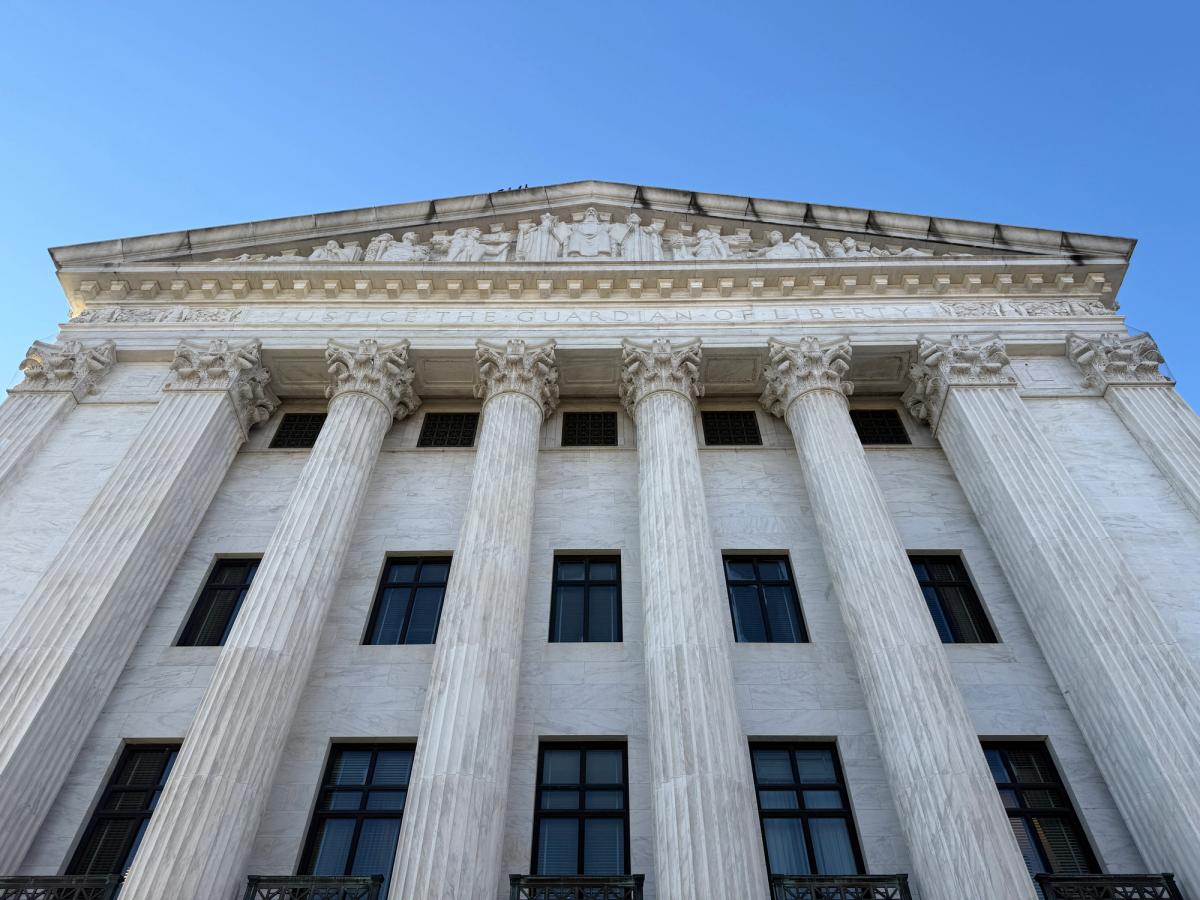
Supreme Court: Wassily v. Blanche Green Card Eligibility After Asylum Loss
Summary
- The Supreme Court will hear arguments in Wassily v. Blanche regarding green card eligibility for noncitizens whose asylum status was terminated.
- The case involves two men, Tamer Wassily and Byron Velasquez Arreaga, whose asylum protections were revoked after convictions for "particularly serious crimes."
- Wassily was granted asylum in 2000 but faced termination after 2004 convictions for third-degree stalking and child endangerment.
- Velasquez Arreaga, granted asylum in 1996, had his status challenged following 2015 and 2018 convictions for driving while intoxicated offenses.
- The ruling will determine if noncitizens who lose asylum due to criminal acts can still become lawful permanent residents.
The Core Question Before the Supreme Court
The Supreme Court's examination will focus on whether this termination irrevocably bars an individual from seeking a green card through other avenues, even if they otherwise meet the criteria for LPR status.
The Supreme Court is set to hear oral arguments in Wassily v. Blanche, a pivotal case that will address the eligibility of noncitizens for lawful permanent resident (LPR) status, commonly known as a green card, after their asylum protections have been terminated. This legal challenge centers on whether individuals who initially received asylum but subsequently lost that status due to criminal convictions can still pursue permanent residency in the United States. The outcome of this case carries significant weight for many noncitizens navigating complex immigration laws.
While Wassily v. Blanche may not garner as much public attention as other high-profile immigration disputes scheduled for this term, such as Mullin v. Refugee and Immigrant Center for Education and Legal Services concerning the Trump administration's restrictions on asylum access at the U.S.-Mexico border, its implications are substantial. The ruling could redefine the landscape for noncitizens with past criminal offenses and potentially lend new significance to the previous administration's broader efforts to curtail asylum grants.
The Petitioners' Journeys
The case before the high court involves two petitioners whose asylum statuses were revoked following convictions for what immigration authorities deemed "particularly serious crimes." Tamer Wassily, one of the challengers, was granted asylum in 2000, having fled Egypt due to fears of religious persecution in his home country. However, his protections were subsequently challenged by the Department of Homeland Security (DHS) after his 2004 convictions for third-degree stalking and child endangerment. Following these convictions, DHS initiated proceedings to terminate Wassily's asylum and deport him back to Egypt.
Similarly, Byron Velasquez Arreaga, who arrived in the United States from Guatemala in 1995 and received asylum in 1996, also faces the termination of his asylum status. Velasquez Arreaga's legal troubles began with a 2015 conviction for driving while intoxicated (DWI), followed by an aggravated DWI conviction in 2018. In response to these offenses, DHS indicated its intention to terminate his asylum protections, placing his future residency in question.
Legal Implications for Noncitizens
The central legal question in Wassily v. Blanche revolves around the interplay between asylum termination due to criminal conduct and the subsequent ability to adjust status to a lawful permanent resident. Immigration officials have the authority to terminate asylum protections when an individual commits a "particularly serious crime," a determination that typically leads to deportation proceedings. The Supreme Court's examination will focus on whether this termination irrevocably bars an individual from seeking a green card through other avenues, even if they otherwise meet the criteria for LPR status.
This ruling will provide crucial clarity on the pathways available to noncitizens who have had their asylum status revoked. If the Court determines that such individuals remain eligible for green cards, it could offer a lifeline to those facing deportation after losing their asylum protections due to past criminal offenses. Conversely, a decision affirming an absolute bar would significantly narrow the options for noncitizens in similar circumstances, reinforcing the finality of asylum termination in preventing further immigration relief.
Practical Implications
Immigration lawyers must closely follow the Supreme Court's ruling in Wassily v. Blanche, as it will clarify whether noncitizens whose asylum status is terminated due to criminal convictions can still obtain lawful permanent residency. This decision will directly impact legal strategies and advice for clients with past criminal offenses seeking to adjust their immigration status.
Source
How does this affect you?
Get an AI analysis of this article grounded in your jurisdictions, practice areas, and any policy documents you've uploaded to Wansom.
Finish Reading the Full Story and the Expert Analysis.
Get the latest legal & regulatory intelligence in United States
Wansom is AI and can make mistakes.