
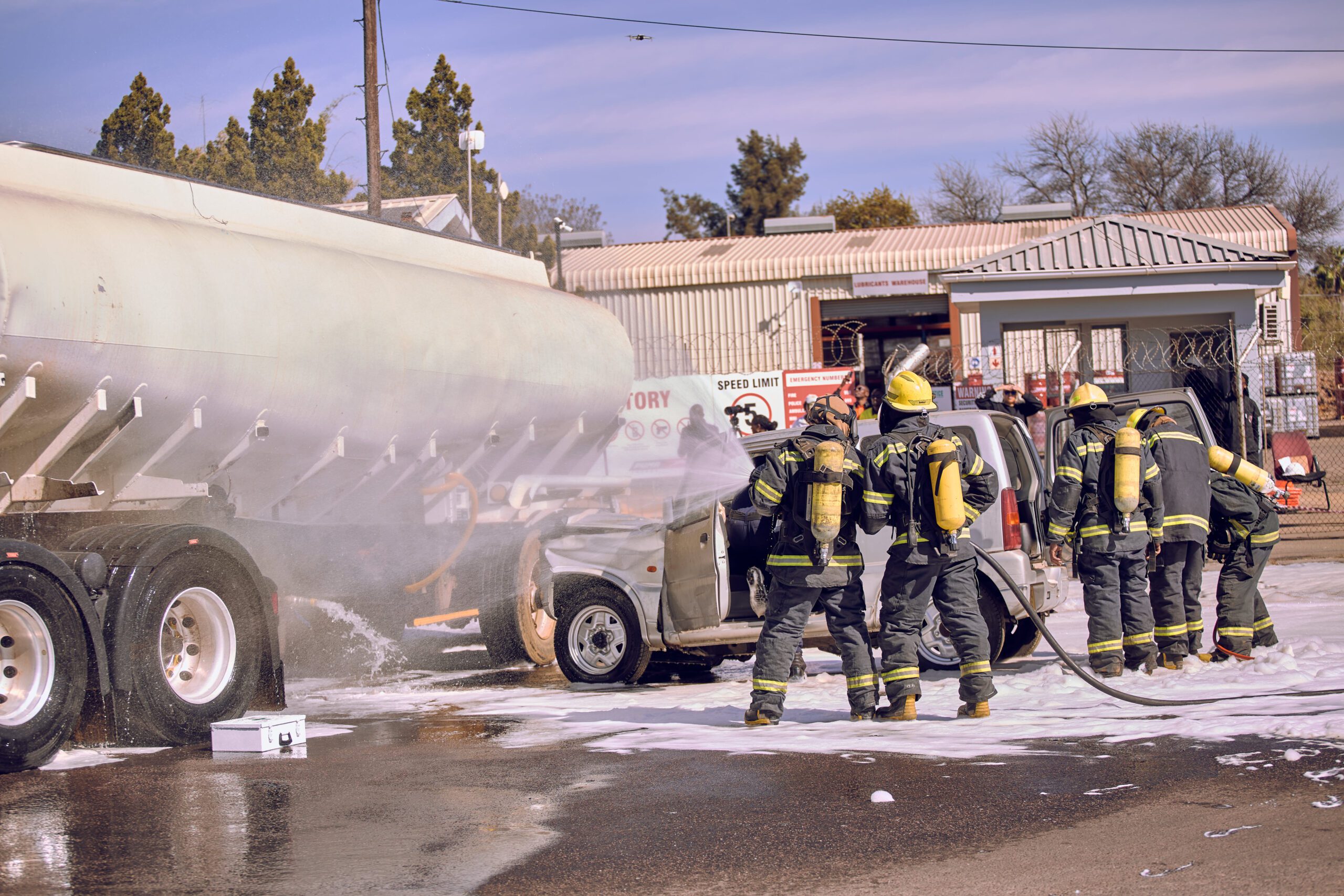
Vivo Energy Botswana: Fuel Spill Simulation Tests Emergency Response
Summary
- Vivo Energy Botswana conducted a large-scale simulation to test its emergency response capabilities.
- The exercise in Gaborone simulated a road traffic accident involving two fuel tankers on Haile Selassie Road.
- The scenario included a significant fuel spill, requiring a robust emergency response.
- This initiative highlights the company's focus on emergency preparedness for fuel transportation incidents.
- The simulation aims to enhance operational readiness and environmental compliance within Botswana's energy sector.
What Happened
Effective emergency protocols are key to minimizing environmental and safety liabilities stemming from potential spills, thereby protecting both corporate reputation and the bottom line in an increasingly scrutinized industry.
Vivo Energy Botswana recently undertook a comprehensive emergency preparedness exercise, staging a large-scale simulation designed to rigorously test its capacity to manage a significant fuel transportation incident. This critical drill, which focused on a simulated road traffic accident, unfolded within the capital city of Gaborone. The scenario specifically involved a collision between two fuel tankers on Haile Selassie Road, a key thoroughfare, illustrating the potential for disruption in urban environments.
A central element of this Vivo Energy Botswana fuel spill simulation was the depiction of a substantial fuel release following the simulated vehicular impact. The primary objective of this Gaborone fuel spill exercise was to evaluate the company's operational readiness and the effectiveness of its response protocols in a high-pressure, real-world-like emergency. Such proactive measures are crucial for companies operating in the energy sector, where the potential for environmental and safety hazards, particularly during transportation, is ever-present and requires constant vigilance.
Enhancing Emergency Readiness
This recent exercise by Vivo Energy Botswana underscores a growing emphasis on robust emergency preparedness within the nation's energy distribution network. The simulation of a Botswana fuel transportation incident highlights the complex challenges associated with moving hazardous materials across public infrastructure and the necessity for meticulously planned and regularly practiced response strategies. Companies involved in the transportation of fuel face significant operational, safety, and environmental risks, making such drills indispensable for maintaining public safety and ecological integrity across the country.
The proactive staging of a major incident scenario, complete with a significant fuel spill, demonstrates a commitment to not only react effectively but also to continuously refine response mechanisms and integrate lessons learned. This approach is integral to sound corporate risk management energy sector practices, ensuring that potential disruptions are met with swift, coordinated, and effective action. Regular testing of these systems helps identify weaknesses and areas for improvement before a real-life emergency occurs, thereby strengthening overall resilience.
Implications for Compliance and Liability
The execution of this large-scale simulation signals a heightened focus on both operational readiness and environmental compliance Botswana within the energy sector. For companies like Vivo Energy Botswana, demonstrating a proactive stance on incident response is vital for regulatory adherence and mitigating potential liabilities. A major fuel spill, even a simulated one, brings into sharp relief the severe environmental damage, public health risks, and financial penalties that can arise from inadequate preparation or a delayed response.
This development should prompt legal professionals advising entities involved in fuel transportation to thoroughly review their clients' existing incident response plans. Ensuring that robust measures are not only documented but also regularly tested and updated is paramount for safeguarding against unforeseen events. Effective emergency protocols are key to minimizing environmental and safety liabilities stemming from potential spills, thereby protecting both corporate reputation and the bottom line in an increasingly scrutinized industry.
Practical Implications
This development signals a heightened focus on emergency preparedness and environmental compliance within Botswana's energy sector. Lawyers advising companies involved in fuel transportation should review their clients' incident response plans and ensure robust measures are in place to mitigate environmental and safety liabilities from potential spills.
Source
How does this affect you?
Get an AI analysis of this article grounded in your jurisdictions, practice areas, and any policy documents you've uploaded to Wansom.
Wansom is AI and can make mistakes.