
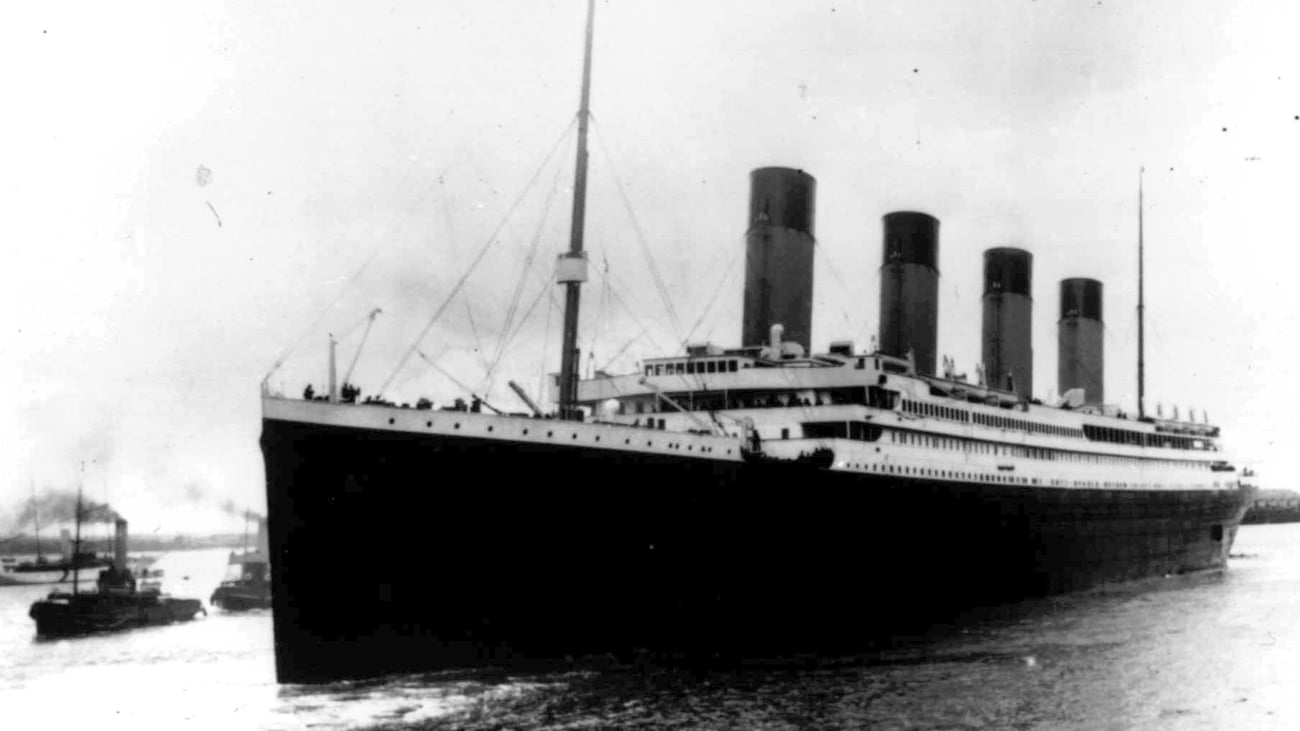
Virginia Federal Court: Blocks RMS Titanic Inc. Artifact Auction
Summary
- A Virginia federal court has temporarily blocked RMS Titanic Inc. from auctioning 361 artifacts from the Titanic shipwreck.
- Judge Rebecca Beach Smith ruled the proposed sale likely breaches court-imposed conditions on the company's salvor-in-possession status.
- RMS Titanic Inc. sought the sale to fund preservation efforts, but the court found the company had previously agreed to strict preservation covenants.
- The company's claim that the court lacked jurisdiction over the "French Collection" artifacts was rejected, as the court found RMS Titanic Inc. had waived such objections.
- The ruling reinforces the strict enforcement of US historical preservation standards and court-mandated conditions for historically significant artifacts.
Court Halts Titanic Artifact Auction
Senior U.S. District Judge Rebecca Beach Smith issued the injunction on Monday, ruling that the proposed sale likely violates the specific conditions governing the company's status as salvor-in-possession of the historic items.
A Virginia federal court has temporarily blocked RMS Titanic Inc. from proceeding with an auction of 361 artifacts recovered from the iconic shipwreck. Senior U.S. District Judge Rebecca Beach Smith issued the injunction on Monday, ruling that the proposed sale likely violates the specific conditions governing the company's status as salvor-in-possession of the historic items. RMS Titanic Inc., which manages a collection of over 5,500 artifacts, had sought to sell a portion of its holdings, citing financial difficulties and the need to fund ongoing preservation efforts for its remaining collections.
The luxury liner, a British White Star Line vessel, sank nearly 115 years ago on April 12, 1912, during its maiden voyage after striking an iceberg, resulting in an estimated 1,500 fatalities. The company, which has been the custodian of these significant remnants, informed the court of its intention to sell parts of the collection through its predecessor, Titanic Venture LP, in a sealed periodic report filed in March. This move prompted the court's intervention to assess whether the company was adhering to the covenants established when it was granted title to the Titanic artifacts in 2011.
Legal Precedent and Preservation Mandates
RMS Titanic Inc. and its predecessor, Titanic Venture LP, have maintained exclusive salvaging rights for the Titanic artifacts since 1994. The company conducted expeditions to recover items from the wreck site between 1987 and 2004. The legal framework governing these artifacts is stringent; a corporate takeover in 2000 previously led RMS Titanic Inc. to attempt selling its collection, but both a lower court and the Fourth Circuit Court of Appeals rejected the endeavor. These earlier rulings underscored that the company's salvage award was contingent upon strict compliance with specific terms.
These crucial terms, which aim to ensure the artifacts' preservation, were negotiated collaboratively between RMS Titanic Inc., the National Oceanic and Atmospheric Administration (NOAA), and the State Department. They mandate that all preservation activities align with international U.S. historical preservation standards. Judge Rebecca Beach Smith's current decision to temporarily halt the auction underscores the court's commitment to enforcing these RMS Titanic Inc. salvor-in-possession conditions, emphasizing the need for more information before determining any breach of the court-imposed covenants.
Jurisdictional Challenge and Court's Stance
A central point of contention in the current proceedings revolves around the specific 361 artifacts slated for auction, collectively known as the "French Collection." RMS Titanic Inc. contended that the Virginia federal court lacked jurisdiction over this particular subset of items. The company argued that the French Collection originated from a distinct salvor-in-possession agreement between the French government and Titanic Venture LP, stemming from a 1987 salvage expedition.
However, the United States government, participating as an amicus curiae, countered this jurisdictional claim. It asserted that RMS Titanic Inc. had, throughout years of extensive litigation, voluntarily subjected the French Collection to the same terms and conditions applied to the broader American collection, thereby waiving any objection to the court's jurisdiction. Judge Smith concurred with the government's position, stating that while she would not delve into an "expanded theory of its original jurisdiction" over the French Collection's title, the existing covenants and conditions impose enforceable restrictions on RMS Titanic Inc. regarding these artifacts, effectively prohibiting the intended sale. This ruling highlights the complexities of maritime law artifact sale injunctions, especially when international agreements are involved.
Attorney Brian Wainger of Kaleo Legal, representing RMS Titanic Inc., emphasized the company's long-standing role, stating, "For nearly 40 years, R.M.S. Titanic, Inc. has served as the responsible steward of this historically important artifact collection." He added that the company recovered the artifacts "at great peril, stabilized them for posterity, and conserved and exhibited them for decades, while presenting them to tens of millions of people around the world."
Practical Implications
This ruling reinforces the strict enforcement of court-imposed conditions on salvors-in-possession, particularly for historically significant artifacts, and highlights potential jurisdictional complexities when international agreements are involved. Lawyers advising clients on maritime salvage, cultural heritage, or artifact management should review existing agreements for compliance with preservation covenants to avoid similar injunctions.
Source
How does this affect you?
Get an AI analysis of this article grounded in your jurisdictions, practice areas, and any policy documents you've uploaded to Wansom.
Wansom is AI and can make mistakes.