
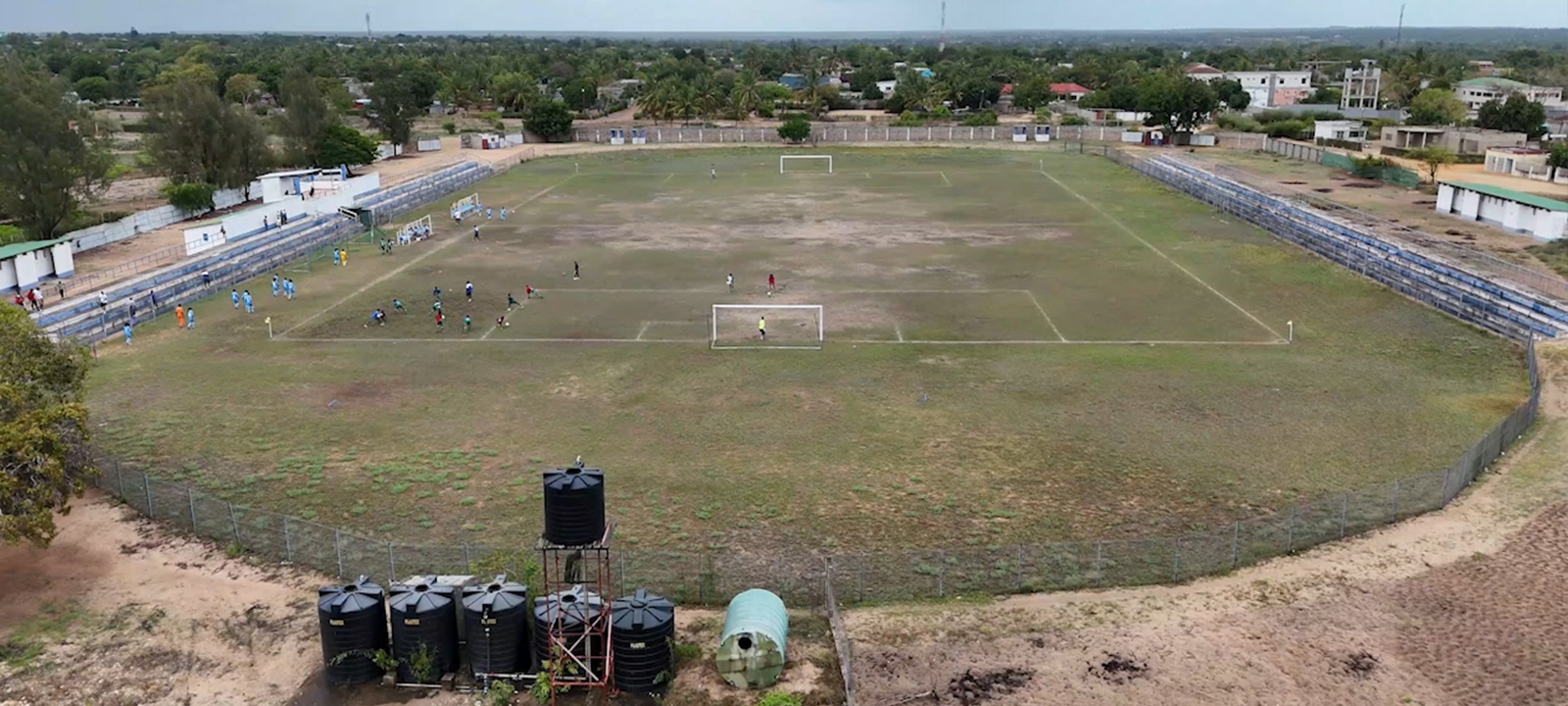
Inhambane Governor: Firm on Vilankulo Municipal Stadium Rehabilitation Dispute Funding
Summary
- The rehabilitation of the Vilankulo Municipal Stadium is currently stalled due to a dispute over its financing.
- The conflict involves the Vilankulo Municipality and the Provincial Government of Inhambane.
- The Vilankulo mayor is contesting the terms of the financing agreement and advocating for its revision.
- The Inhambane governor has dismissed the municipality's claims, stating they are unfounded.
- The Vilankulo Municipal Stadium has been in its current state for over ten years.
The Core Dispute
The ongoing disagreement surrounding the Vilankulo Municipal Stadium rehabilitation carries significant implications for the execution of public works projects across Mozambique.
The rehabilitation of the Vilankulo Municipal Stadium has become the focal point of a significant disagreement between local and provincial authorities in Mozambique. This ongoing Vilankulo Municipal Stadium rehabilitation dispute pits the Vilankulo Municipality against the Provincial Government of Inhambane, highlighting potential friction points in public infrastructure development.
At the heart of the contention lies the financing agreement for the construction work. The mayor, or "edil," of Vilankulo has openly challenged the existing terms of this agreement, advocating for a comprehensive revision to address perceived shortcomings. This stance underscores a fundamental divergence in how the project's financial framework is viewed by the municipal leadership.
Conversely, the governor of Inhambane has firmly rejected these municipal concerns. The provincial leader has characterized the municipality's claims as entirely unfounded, indicating a lack of willingness to renegotiate the established financial parameters. This firm position from the "governador Inhambane" suggests a stalemate in resolving the critical funding issues for the stadium project.
Background and Context
The current impasse over the Vilankulo Municipal Stadium rehabilitation is particularly notable given the facility's prolonged state of disrepair. For more than a decade, the stadium has awaited significant upgrades, a timeline that adds urgency to the present financing conflict. This extended period without resolution underscores the broader challenges often encountered in Mozambique public works financing conflict scenarios, especially when multiple governmental tiers are involved.
This specific Municipal provincial government disagreement illustrates the complexities inherent in public works projects that rely on inter-governmental funding structures. When a project like the Inhambane governor Vilankulo stadium initiative involves both municipal and provincial oversight, clear and mutually agreeable financial terms are paramount to avoid protracted delays and disputes. The current situation serves as a case study in how differing interpretations of contractual obligations can impede progress on vital community assets.
The dispute between the "Edil Vilankulo" and the "governador Inhambane" over the stadium's funding terms brings to light the critical need for robust legal frameworks and transparent agreements in such collaborations. Without a clear understanding and acceptance of financial responsibilities and conditions, even well-intentioned public works can falter, leaving communities without promised infrastructure for extended periods.
Implications for Public Works
The ongoing disagreement surrounding the Vilankulo Municipal Stadium rehabilitation carries significant implications for the execution of public works projects across Mozambique. Such disputes, particularly those involving fundamental aspects like financing agreements, can lead to substantial delays, cost overruns, and a loss of public trust in governmental efficiency. The inability to reconcile differences between the Vilankulo Municipality and the Inhambane Provincial Government over this project serves as a cautionary tale.
Legal and contractual challenges are frequently at the forefront of these inter-governmental conflicts. For projects that span different administrative levels, ensuring that all parties clearly understand and agree upon the terms of funding, responsibilities, and dispute resolution mechanisms from the outset is crucial. The current situation highlights how a lack of consensus on these foundational elements can bring a project to a standstill, despite the clear need for the infrastructure.
Ultimately, the resolution of the Vilankulo Municipal Stadium rehabilitation dispute will not only determine the future of this specific facility but could also set precedents for how similar multi-tier public works projects are managed in the future. It underscores the importance for legal advisors involved in such initiatives to prioritize comprehensive contractual terms and clear pathways for addressing disagreements, thereby mitigating the risks of prolonged and costly conflicts.
Practical Implications
This dispute highlights the potential for legal and contractual challenges in public works projects involving multiple governmental tiers in Mozambique. Lawyers advising on such projects, particularly those with inter-governmental financing agreements, should ensure robust contractual terms and clear dispute resolution mechanisms are in place to mitigate risks arising from disagreements over funding and project execution.
Source
Source: Original reporting via O País
How does this affect you?
Get an AI analysis of this article grounded in your jurisdictions, practice areas, and any policy documents you've uploaded to Wansom.
Finish Reading the Full Story and the Expert Analysis.
Get the latest legal & regulatory intelligence in Mozambique
Wansom is AI and can make mistakes.