
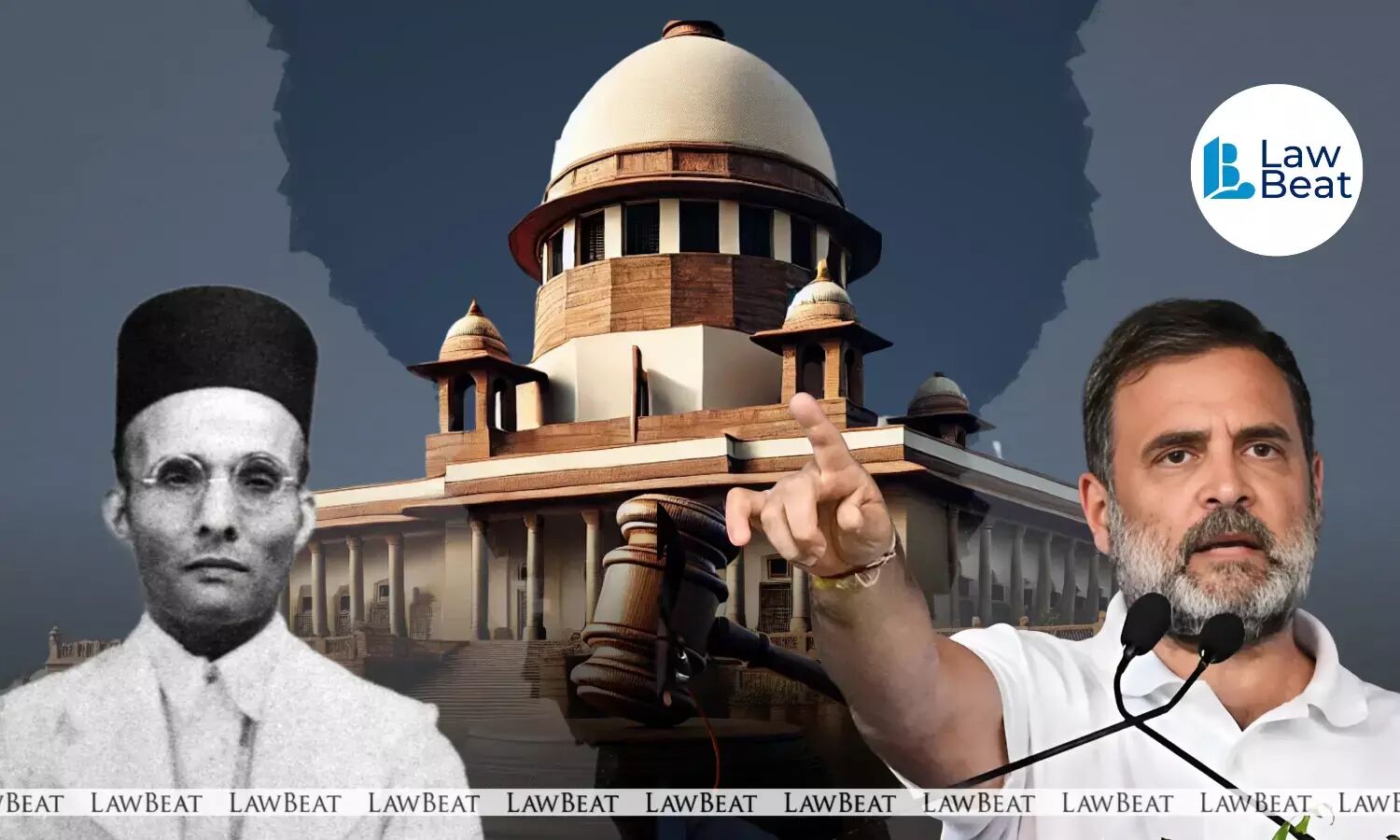
Uttar Pradesh Government v Rahul Gandhi: Supreme Court Quashes Defamation Case
Summary
- The Supreme Court quashed a criminal defamation complaint against Rahul Gandhi over his remarks about Vinayak Damodar Savarkar.
- The Court emphasized the importance of obtaining requisite sanction from the Uttar Pradesh government before proceeding with criminal defamation charges.
- The ruling has significant implications for lawyers representing clients in high-profile defamation cases, who may need to re-evaluate their strategy and client advisement.
What Happened
That's the end of the matter.
The Supreme Court's recent ruling has significant implications for defamation cases in India. A criminal defamation complaint against Rahul Gandhi was quashed by the Court, citing the absence of requisite sanction from the Uttar Pradesh government. The case arose from allegations surrounding Gandhi's remarks about Vinayak Damodar Savarkar during his Bharat Jodo Yatra in 2022. The UP government had opposed Gandhi's plea in the Supreme Court, asserting that the allegations revealed a 'pre-planned' attempt to spread hatred and enmity.
The Apex Court examined the affidavit filed by the Uttar Pradesh government, which contained no disclosure of sanction being granted. In view of this absence, the Court held that the criminal proceedings could not be sustained. The Bench accordingly quashed the impugned proceedings as well as the Magistrate's summoning order against Rahul Gandhi.
Legal Context
The Supreme Court's emphasis on obtaining requisite sanction from the relevant state government before proceeding with criminal defamation charges has significant implications for lawyers representing clients in high-profile defamation cases. The ruling underscores the importance of complying with procedural requirements, which may impact strategy and client advisement. In this case, the UP government's affidavit supported the contention that Gandhi's remarks were intended to promote enmity among various groups and disturb public harmony.
The Allahabad High Court had previously declined to quash the summons issued against Gandhi, but the Apex Court stayed the operation of this order on April 25. The Bench had also pulled up Gandhi for his alleged remarks, cautioning against making irresponsible statements about those who fought for India's independence.
Why It Matters
The Supreme Court's ruling has far-reaching implications for defamation law in India. The emphasis on obtaining requisite sanction from the relevant state government before proceeding with criminal defamation charges may lead to a re-evaluation of strategy and client advisement by lawyers representing clients in high-profile defamation cases. The case also highlights the importance of complying with procedural requirements, which is essential for ensuring that justice is served.
The UP government's affidavit has sparked controversy, with some arguing that it reveals a 'pre-planned' attempt to silence dissenting voices. However, the Supreme Court's ruling has quashed the defamation proceedings against Rahul Gandhi, bringing an end to this contentious case.
Practical Implications
Lawyers representing clients in high-profile defamation cases should note that the Supreme Court's ruling emphasizes the importance of obtaining requisite sanction from the relevant state government before proceeding with criminal defamation charges, which may impact their strategy and client advisement.
Source
How does this affect you?
Get an AI analysis of this article grounded in your jurisdictions, practice areas, and any policy documents you've uploaded to Wansom.
Wansom is AI and can make mistakes.