
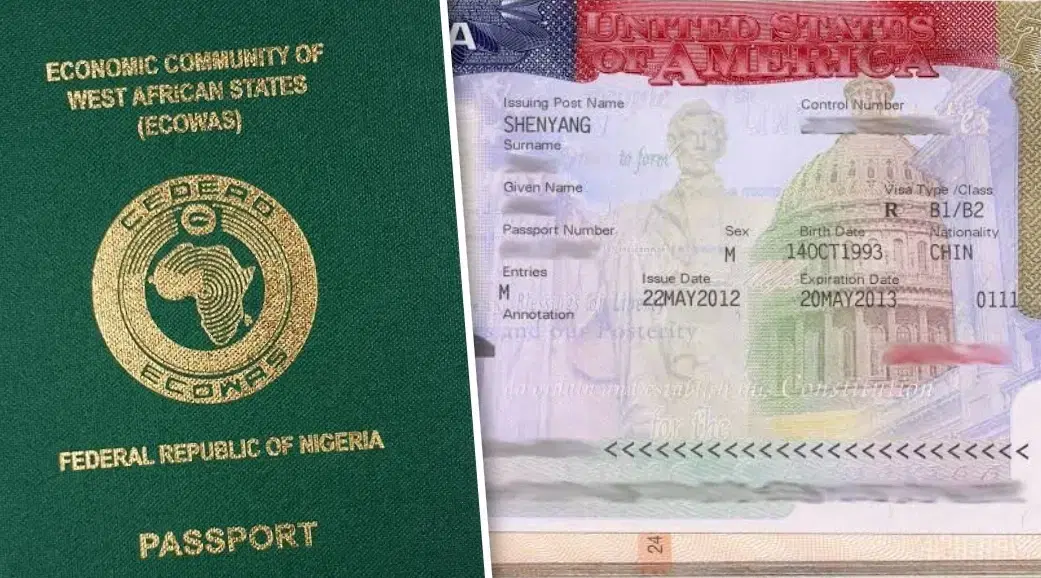
US Department of State: New US Visa Bond Requirement Nigeria for B-1/B-2
Summary
- The United States has mandated a new visa bond requirement for citizens of 50 countries, including Nigeria.
- This bond can be up to $20,000 and applies to eligible applicants for B-1 business and B-2 tourist visas.
- The US Department of State issued this directive, affecting travelers using passports from the listed nations.
- The new financial obligation significantly impacts application costs and eligibility for Nigerian citizens seeking US visitor visas.
- Legal advisors and corporate compliance officers must now factor this potential bond into their guidance and travel policies.
New Visa Bond Mandate
Lawyers who advise Nigerian clients on obtaining US business or tourist visas now have a critical new piece of information to convey.
The United States government has recently implemented a significant new requirement affecting citizens from 50 nations, including Nigeria, who seek certain visitor visas. This directive, issued by the US Department of State, mandates that eligible applicants may be required to furnish a visa bond, which could amount to as much as $20,000. This substantial financial obligation is specifically targeted at individuals applying for B-1 business visas and B-2 tourist visas, categories commonly used for short-term visits to the U.S.
The measure applies to those traveling on passports issued by any of the 50 designated countries. For Nigerian citizens, this means a potential substantial increase in the financial outlay associated with their US visitor visa application. The US visa bond requirement Nigeria is a key aspect of this updated policy, directly impacting individuals planning short-term stays for business or tourism purposes in the United States, adding a new dimension to their travel preparations.
Regulatory Details and Scope
The US Department of State visa bond initiative is designed to ensure compliance with immigration regulations for a specific cohort of international travelers. While the exact criteria for requiring a bond from an eligible applicant are not detailed in the immediate announcement, the policy clearly states its application to B-1 and B-2 visa categories. These non-immigrant visas are typically granted for temporary visits, such as attending conferences, negotiating contracts, or for leisure travel, and do not permit permanent residency or employment.
The imposition of a US visitor visa bond up to $20,000 serves as a financial guarantee that the visa holder will adhere to the terms of their visa, including departing the United States before their authorized stay expires. This broadens the financial considerations for applicants from the US visa bond list of countries, making the application process more complex and potentially more expensive for those deemed to require such a bond, as it introduces a significant upfront cost that was not previously universal.
Impact on Nigerian Applicants and Professional Advice
For Nigerian citizens B-1 B-2 visa bond requirements introduce a new layer of financial planning and potential barrier to travel. Lawyers who advise Nigerian clients on obtaining US business or tourist visas now have a critical new piece of information to convey. They must inform their clients about the possibility of being asked to pay a visa bond, which could be as high as $20,000. This requirement will undoubtedly have a significant impact on the overall costs of the application process and could influence eligibility considerations for many prospective travelers, potentially deterring some from applying due to the financial burden.
Furthermore, compliance officers within organizations that frequently send employees from Nigeria to the United States for business purposes must update their internal travel policies. These updates should explicitly account for this new financial obligation, ensuring that employees are aware of the potential bond requirement and that the company has provisions for managing such costs if they arise. The substantial sum involved means that this is not a minor administrative detail but a significant financial consideration for both individuals and corporate entities, necessitating careful planning and communication.
Practical Implications
Lawyers advising Nigerian clients on US business or tourist visas (B-1/B-2) must inform them of the potential requirement to pay a visa bond of up to $20,000, which will significantly impact application costs and eligibility considerations. Compliance officers should update travel policies for employees traveling to the US from Nigeria to account for this new financial obligation.
Source
How does this affect you?
Get an AI analysis of this article grounded in your jurisdictions, practice areas, and any policy documents you've uploaded to Wansom.
Finish Reading the Full Story and the Expert Analysis.
Wansom is AI and can make mistakes.