
US Trump Administration's Expanded Grazing Plan Challenged by Conservation Group
Summary
- A conservation group has filed a lawsuit against the Trump administration's expanded grazing plan, claiming it violates the Endangered Species Act.
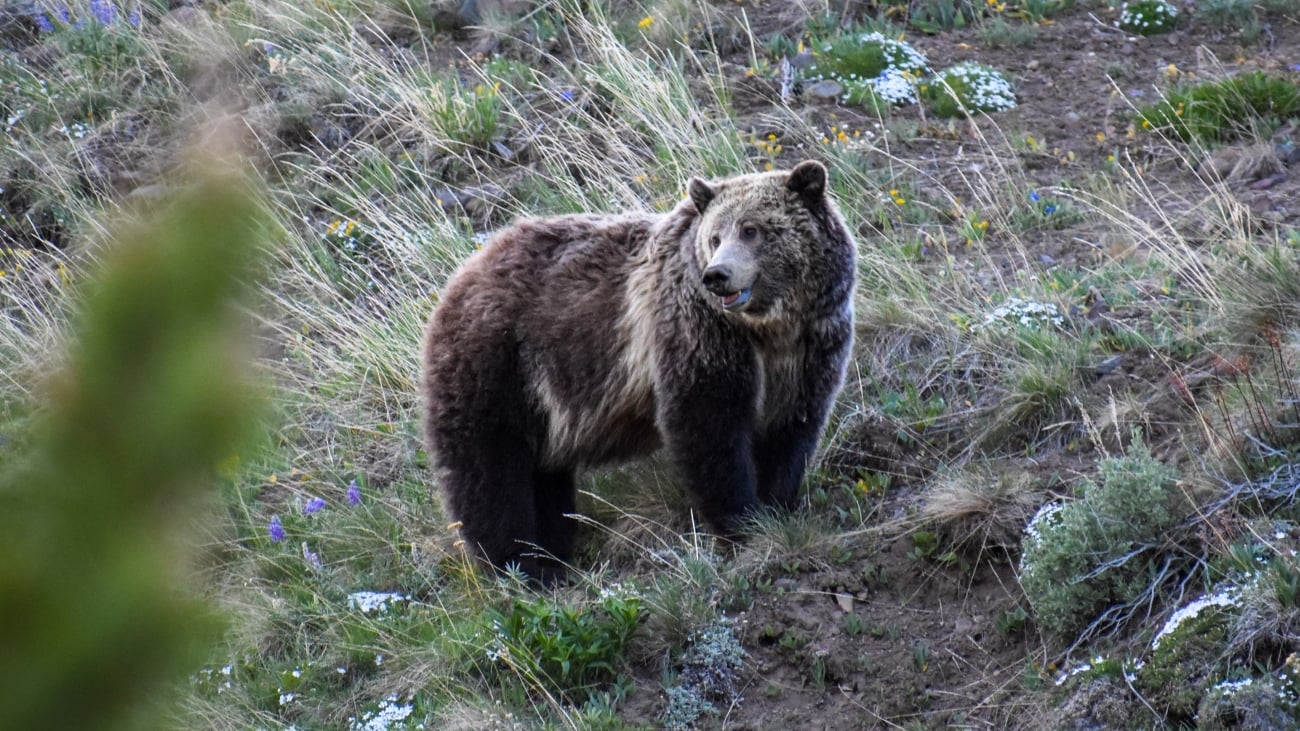
- The plan will open up 25 million acres of public land to cattle grazing, harming critical habitats for imperiled species like grizzly bears and wolves.
- Conservationists argue that the administration failed to consult with the U.S. Fish and Wildlife Service and National Marine Fisheries Service before implementing the plan.
- The lawsuit seeks to vacate the grazing action plan and force the agencies to reconsider their approach, prioritizing environmental protection over livestock interests.
Grazing Plan Expansion Sparks Lawsuit
The Trump administration's efforts to expand federal land grazing have been met with resistance from conservation groups, who claim the plan will harm imperiled wildlife and critical habitats. The Center for Biological Diversity has filed a lawsuit in Oregon federal court, alleging that the new grazing plan violates the Endangered Species Act and fails to consider environmental impact. At stake are 25 million acres of public land, which the administration aims to open up to cattle grazing. The expansion is part of a broader effort to 'bring federal land grazing to the forefront,' according to the Bureau of Land Management's memorandum of understanding with other agencies. However, conservationists argue that this approach will only exacerbate existing problems and drive more species towards extinction.
Critical Habitat at Risk
The lawsuit centers on the administration's failure to consult with the U.S. Fish and Wildlife Service and National Marine Fisheries Service before implementing the grazing plan. This oversight, conservationists claim, has 'irretrievably committed resources and foreclosed the formulation or implementation of any reasonable and prudent alternative measures.' The group argues that this is a clear violation of the Endangered Species Act, which requires agencies to consider the impact on protected species before taking action. As a result, critical habitats for grizzly bears, wolves, sage grouse, and spotted owls are at risk of being degraded or destroyed. The expansion will also damage public lands and streams, harming birds and fish that rely on these ecosystems.
Environmental Concerns
The conservation group's complaint highlights the devastating impact of livestock grazing on public lands. Cattle trample banks and streambeds, degrading habitat for numerous listed species, including birds, frogs, and fish. Moreover, the release of methane and ammonia from livestock contributes to air pollution, further harming already vulnerable ecosystems. The group also points out that predators like grizzlies and wolves are often killed in conflicts with livestock, perpetuating a cycle of violence and destruction. By neglecting to consult with other agencies, the administration has ignored these critical concerns and put imperiled wildlife at risk.
Practical Implications
Lawyers advising clients with grazing permits should be aware of the potential for increased liability under the Endangered Species Act if they continue to graze in areas designated as critical habitat, and may need to consider alternative measures to mitigate harm to protected species.
Source
How does this affect you?
Get an AI analysis of this article grounded in your jurisdictions, practice areas, and any policy documents you've uploaded to Wansom.
Wansom is AI and can make mistakes.