
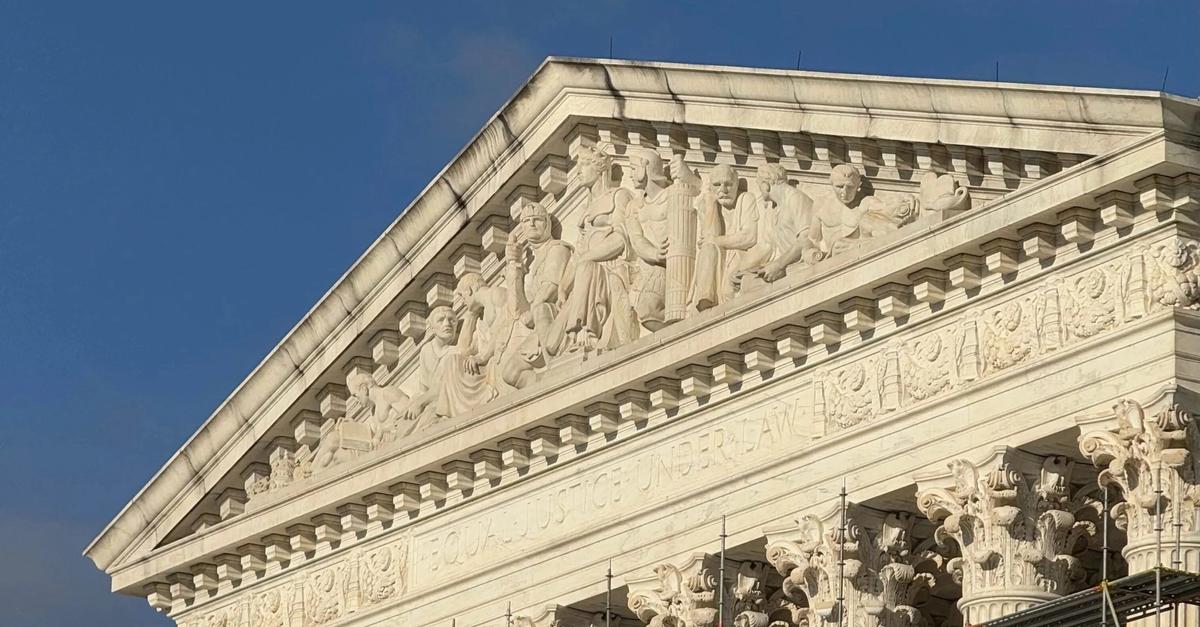
US Supreme Court: Trump Administration Seeks Emergency Docket Decisions on Mail-In Voting
Summary
- The former Trump administration sought emergency docket decisions from the US Supreme Court to implement President Donald Trump's executive order on mail-in voting.
- The Supreme Court's June 25 ruling in Mullin v. Doe paved the way for the former Trump administration to end deportation protections for Haitian and Syrian nationals under the Temporary Protected Status program.
- The Justice Department has asked the US Court of Appeals for the 6th Circuit to reinstate human smuggling charges against Kilmar Abrego Garcia.
The Trump Administration's Supreme Court Agenda
The Supreme Court's June 25 ruling in Mullin v. Doe paved the way for the former Trump administration to end deportation protections for Haitian and Syrian nationals under the Temporary Protected Status program.
The former Trump administration sought emergency docket decisions from the US Supreme Court, with far-reaching implications for various policy areas. On July 27, the former administration asked the court to clear the way for the implementation of President Donald Trump's executive order on mail-in voting, which was echoed by 12 states in their own application. However, a group of 23 states and the District of Columbia challenged the order, asking the court to deny these requests. The former administration pushed for a prompt decision, with the latest request coming last Wednesday. This flurry of activity highlights the significance of the Supreme Court's emergency docket decisions in shaping the country's policies.
Ripple Effects on Immigration and Deportation
The Supreme Court's June 25 ruling in Mullin v. Doe paved the way for the former Trump administration to end deportation protections for Haitian and Syrian nationals under the Temporary Protected Status program. This decision had a ripple effect, impacting several other TPS lawsuits, including a challenge to the former administration's effort to end legal protections for around 5,000 Ethiopian nationals. In response, U.S. District Judge Brian Murphy lifted his order protecting these individuals, allowing them to continue litigating over whether DHS's action was motivated by racial or national origin animus. This development has significant implications for the immigration status of these individuals.
Other Developments on the Supreme Court's Docket
In related news, the Justice Department asked the US Court of Appeals for the 6th Circuit to reinstate human smuggling charges against Kilmar Abrego Garcia. This move comes after a lower court order found that DOJ officials abused their prosecuting power by bringing the charges against Abrego Garcia, who had been mistakenly deported to El Salvador last year. Additionally, the Supreme Court's 2018 ruling in Murphy v. National Collegiate Athletic Association has led to a sports gambling crisis, with only four states authorizing some form of sports betting before the decision and 19 states doing so after. This trend highlights the significant impact that the Supreme Court's decisions can have on various policy areas.
Practical Implications
Lawyers and compliance officers should watch for potential changes to mail-in voting policies and procedures, as well as the impact on Temporary Protected Status (TPS) designations, which may affect their clients' immigration status.
Source
How does this affect you?
Get an AI analysis of this article grounded in your jurisdictions, practice areas, and any policy documents you've uploaded to Wansom.
Wansom is AI and can make mistakes.