
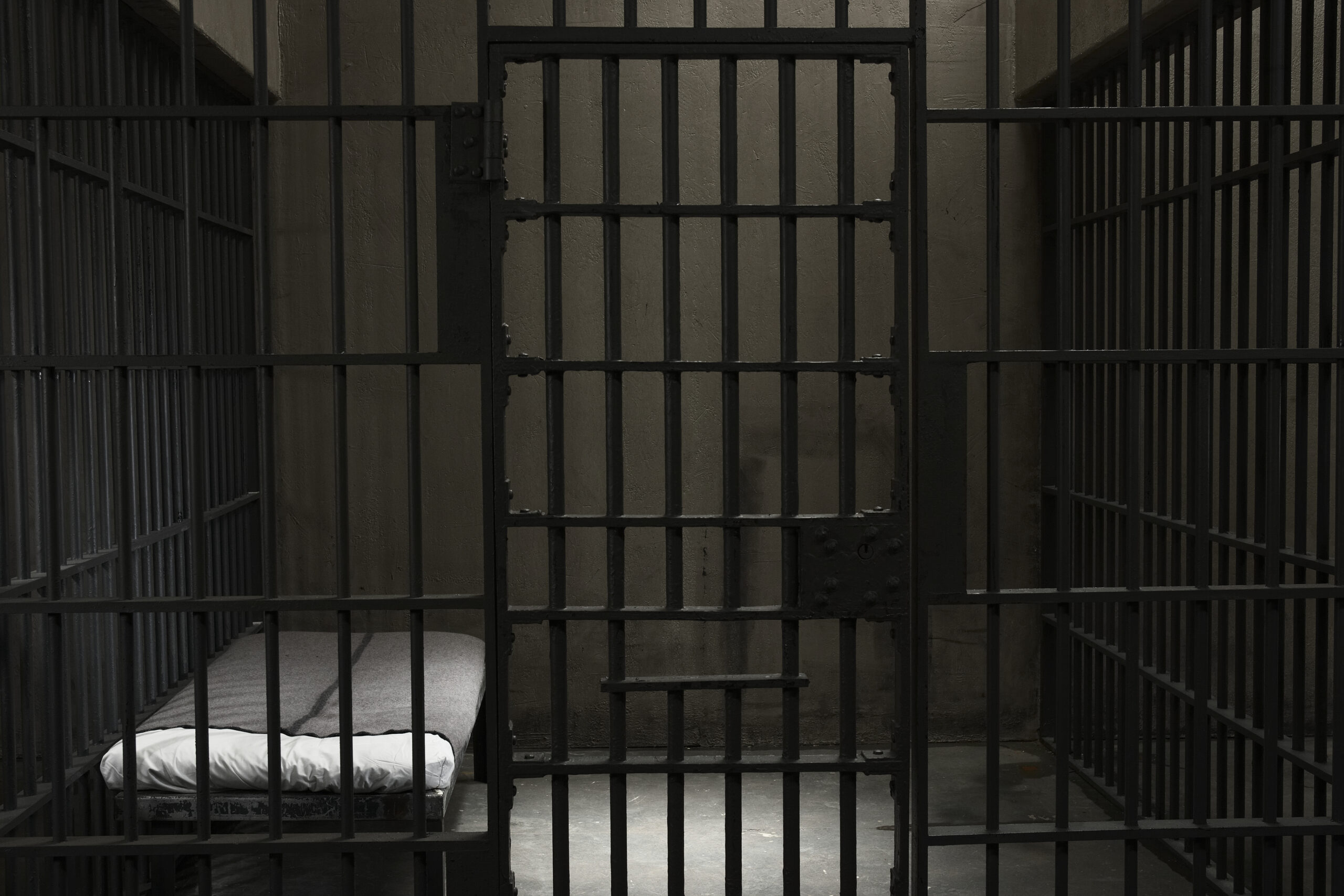
Sotomayor: Mulkey v Alabama Juror Arrest Draws Supreme Court Rebuke
Summary
- The Supreme Court denied certiorari in *Mulkey v. Alabama*, preventing a new capital murder trial for Steven Mulkey.
- Justice Sonia Sotomayor issued an unusual statement criticizing an Alabama trial judge's decision to arrest a prospective juror for tardiness.
- During a 2023 capital murder trial, Judge Alaric May of Alabama's 10th Judicial Circuit ordered the arrest and contempt charge for juror J.F. who was 30 minutes late.
- Court staff had contacted the juror, who stated he was getting dressed and on his way, before the judge issued the public arrest order.
- Sotomayor's statement signals strong disapproval of judicial overreach in juror management for minor procedural infractions.
A Supreme Court Rebuke on Juror Conduct
Her critique specifically targeted the judicial overreach demonstrated by Judge May's decision to order a jury duty arrest in Alabama for a prospective juror who was merely late, rather than absent without explanation.
The Supreme Court recently declined to hear *Mulkey v. Alabama*, a decision that, while denying Steven Mulkey a new capital murder trial, prompted an unusual and pointed statement from Justice Sonia Sotomayor. Her remarks, accompanying the Supreme Court cert denial, sharply criticized the actions of a trial judge in Alabama who ordered the arrest of a prospective juror for tardiness during jury selection. This rare intervention by Justice Sotomayor underscores a significant concern regarding judicial overreach in managing jury duty, particularly when minor procedural infractions lead to severe consequences like a jury duty arrest in Alabama.
The underlying incident involved a prospective juror in a 2023 capital murder trial held in Alabama's 10th Judicial Circuit. On the second day of jury selection, a potential juror, identified as J.F., failed to appear by the scheduled time of 9:00 a.m. This delay ultimately led to a public arrest order, forming the core of the judicial conduct Justice Sotomayor found so troubling.
The Alabama Incident Unfolds
The specific events that drew Justice Sotomayor's attention occurred during the jury selection phase of Steven Mulkey's 2023 capital murder proceedings. Judge Alaric May, presiding over the case in Alabama's 10th Judicial Circuit, was informed that prospective juror J.F., juror number 230, had not arrived by 9:00 a.m. Court staff successfully contacted J.F. at 9:30 a.m., at which point the individual indicated they were in the process of getting dressed and would be on their way to court.
Despite this communication, Judge May determined that the delay was unacceptable. According to details presented in Alabama's brief in opposition, the judge publicly declared in open court that the proceedings would not be further delayed. He then issued an order for J.F. to be taken into custody and simultaneously held the prospective juror in contempt of court. This swift and public response to a juror's tardiness, rather than a more lenient approach, became the focal point of the subsequent Supreme Court commentary.
Justice Sotomayor's Strong Disapproval
Justice Sotomayor's decision to issue a statement respecting the Supreme Court's denial of certiorari in *Mulkey v. Alabama* is a notable event, signaling her profound disapproval of the trial judge's actions. Such statements are uncommon and typically reserved for issues of significant constitutional or procedural concern. Her critique specifically targeted the judicial overreach demonstrated by Judge May's decision to order a jury duty arrest in Alabama for a prospective juror who was merely late, rather than absent without explanation.
The Justice's statement highlights a concern that minor non-compliance, such as tardiness, should not automatically escalate to punitive measures like contempt and arrest, especially in the sensitive context of a capital murder trial. This intervention by Justice Sotomayor regarding juror contempt serves as a powerful message to lower courts about the appropriate exercise of judicial authority in managing jury pools. It implicitly cautions against overly aggressive responses to procedural missteps by citizens fulfilling their civic duty.
Why It Matters for Legal Practice
The rare public commentary from Justice Sotomayor following the Supreme Court cert denial in *Mulkey v. Alabama* carries significant weight for the legal community. It signals a clear judicial sentiment from the highest court against the practice of ordering a juror arrest in Alabama, or anywhere, for minor infractions like tardiness. This stance suggests a strong disapproval of judicial overreach in juror management, particularly when contempt charges are levied for what could be considered minor procedural non-compliance.
For legal practitioners, especially those involved in criminal cases, this serves as an important indicator. Lawyers should be aware of this judicial perspective when challenging or advising on aggressive judicial responses to juror tardiness or other minor non-compliance issues. The emphasis on proportionate responses to juror conduct, particularly in the critical context of a capital murder trial, suggests that appellate courts may view such severe actions with increased scrutiny, aligning with the concerns articulated by Justice Sotomayor.
Practical Implications
This signals a Supreme Court Justice's strong disapproval of judicial overreach in juror management, particularly regarding contempt for minor procedural infractions. Lawyers should be aware of this judicial sentiment when arguing against or advising on aggressive judicial responses to juror tardiness or minor non-compliance, especially in criminal cases.
Source
How does this affect you?
Get an AI analysis of this article grounded in your jurisdictions, practice areas, and any policy documents you've uploaded to Wansom.
Finish Reading the Full Story and the Expert Analysis.
Get the latest legal & regulatory intelligence in United States
Wansom is AI and can make mistakes.