
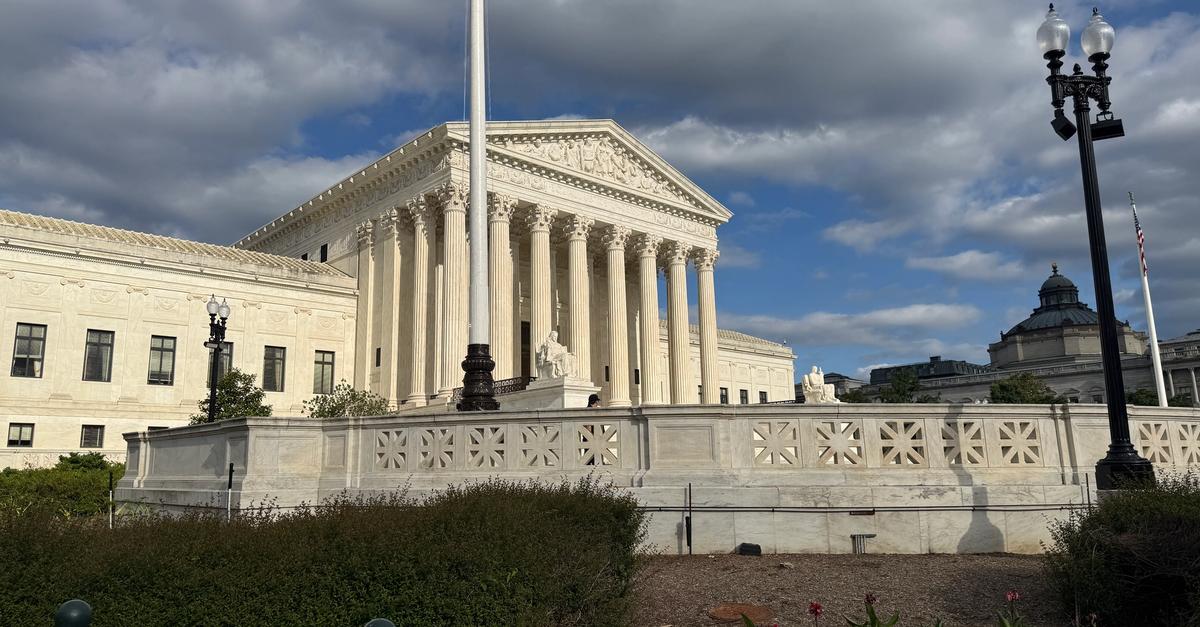
US Supreme Court: Oral Argument in Suncor Climate Change Case
On October 5, the U.S. Supreme Court heard oral argument in Suncor Energy (U.S.A.) Inc. v. County Commissioners of Boulder County, a case concerning whether federal law preempts Colorado state-law claims for billions of dollars in costs allegedly due to global climate change.
This case carries immense legal significance for environmental law, corporate liability, and the delicate balance of power between federal and state jurisdictions, particularly concerning complex, multi-jurisdictional issues like climate change. A ruling could establish a pivotal precedent for how states can pursue damages against fossil fuel companies for global warming impacts, potentially opening the floodgates for similar litigation nationwide or, conversely, severely limiting such actions. The controversy, further highlighted by Justice Samuel Alito’s sudden recusal, underscores the high stakes and the ongoing tension between state-level efforts to address climate change and the potential for federal preemption.
The core legal context revolves around the Supremacy Clause (Article VI of the Constitution) and the doctrine of federal preemption, which dictates how federal law can displace state law. The excerpt details various forms of preemption—express, conflict, obstacle, and field—and notably mentions structural or foreign-affairs preemption, citing the 1968 case of *Zschernig v. Miller* where the Court struck down a state law without a conflicting federal statute. The plaintiffs contend that fossil-fuel corporations caused the emissions, linking the claims directly to corporate actions and their environmental consequences.
Key parties involved include Suncor Energy (U.S.A.) Inc., the defendant, and the County Commissioners of Boulder County, who are the plaintiffs in the underlying state-law claims. The U.S. Supreme Court is the adjudicating body, and Justice Samuel Alito was initially involved before his recusal. The case involves claims for billions of dollars, indicating the substantial financial and legal exposure at stake for the energy industry.
Attorneys representing energy companies, state and local governments, environmental advocacy groups, and those involved in complex tort litigation should closely monitor the Supreme Court's decision. The ruling will provide critical clarification on the scope of federal preemption in climate change litigation, profoundly influencing future legal strategies for both plaintiffs seeking damages and defendants seeking to limit liability. Understanding the Court's interpretation of structural and foreign-affairs preemption will be crucial for assessing the viability of state-level actions on issues with interstate or international dimensions, particularly as climate change impacts continue to manifest across jurisdictions.
How does this affect you?
Get an AI analysis of this article grounded in your jurisdictions, practice areas, and any policy documents you've uploaded to Wansom.
Finish Reading the Full Story and the Expert Analysis.
Get the latest legal & regulatory intelligence in United States
Wansom is AI and can make mistakes.