
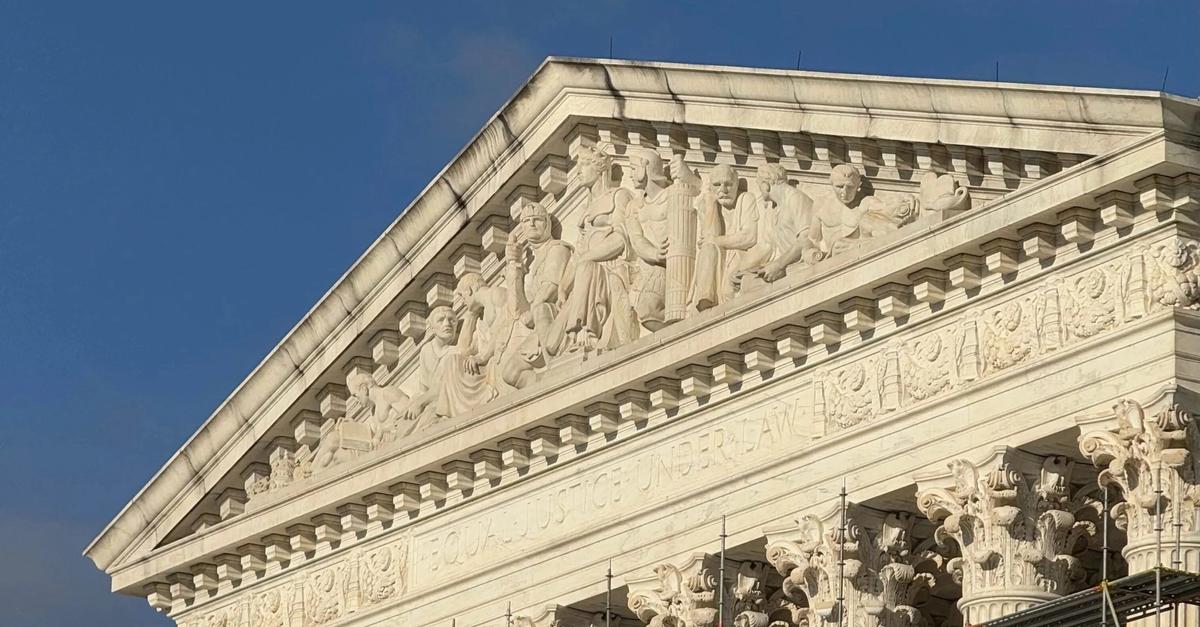
US Supreme Court: 3 New Cases Added to 2026-27 Term Docket
The U.S. Supreme Court, ahead of its 2026-27 term, added three new cases to its oral argument docket, including disputes concerning the detention of noncitizens without bond hearings and the enforcement of zoning ordinances against religious institutions. These additions were part of a busy week for the Court, which also addressed emergency applications, such as clearing the way for an execution in Tennessee and allowing rapid deportations to third-party countries, and announced a significant recusal by Justice Samuel Alito.
This development signals the Court's upcoming focus on highly significant issues impacting immigration law, constitutional rights, particularly religious freedom, and potentially administrative law. The decisions in these newly granted cases will have broad implications for the scope of government agencies' powers, individual liberties, and the interpretation of federal statutes and the Constitution. The Court's actions in addressing emergency applications also highlight its immediate practical impact on ongoing legal processes, demonstrating its role in issuing stays or vacating lower court orders, often involving complex procedural and substantive legal questions.
The legal context for these cases spans several critical areas. The noncitizen detention case likely involves interpretations of immigration statutes, due process rights under the Fifth Amendment, and the limits of executive authority. The zoning ordinance dispute will engage First Amendment protections, specifically the Free Exercise Clause, and potentially the Religious Land Use and Institutionalized Persons Act (RLUIPA). The Court's handling of emergency applications, such as the execution and rapid deportations, falls under its appellate jurisdiction and its power to intervene in urgent matters. Justice Alito's recusal in *Suncor Energy Inc. v. County Commi* underscores the importance of judicial ethics and impartiality rules.
The key parties involved are the U.S. Supreme Court itself, which is setting its docket and hearing these matters. The cases involve the Trump administration (as a party in the noncitizen detention and rapid deportation matters), various noncitizens, religious institutions, and potentially local government entities in the zoning case. Justices Sonia Sotomayor, Elena Kagan, and Ketanji Brown Jackson are noted for their dissents or indications to deny certain requests, highlighting internal judicial divisions. Justice Alito's recusal is also a key detail. The outcomes of the specific cases mentioned are not yet reported, as they are being added to the docket or are subject to further argument.
Practitioners in immigration, constitutional law, and administrative law should closely monitor these newly granted cases and the Court's upcoming arguments. The Court's decisions will shape legal precedents in these areas, requiring practitioners to adapt their strategies and advice to clients. The Court's willingness to address emergency applications also means practitioners must be prepared for rapid developments and understand the procedures for seeking or opposing such relief. The recusal of a Justice can also impact the composition and potential outcome of a case, a factor to consider in high-stakes litigation.
How does this affect you?
Get an AI analysis of this article grounded in your jurisdictions, practice areas, and any policy documents you've uploaded to Wansom.
Finish Reading the Full Story and the Expert Analysis.
Get the latest legal & regulatory intelligence in United States
Wansom is AI and can make mistakes.