
US Senate Extends AGOA Duty-Free Trade Pact to 2028
Summary
- The US Senate has approved a two-year extension of the AGOA program until December 2028.
- Eligible sub-Saharan African countries will continue to enjoy duty-free access to the US market.
- The extension is expected to bring relief to several countries, including Nigeria, which has been a key beneficiary of the AGOA program.
- The AGOA program provides duty-free access to over 6,400 products from eligible African countries.
- The extension underscores the importance of trade relations between the US and Africa.
What Happened
The extension of AGOA is seen as a major boost for trade relations between the US and Africa.
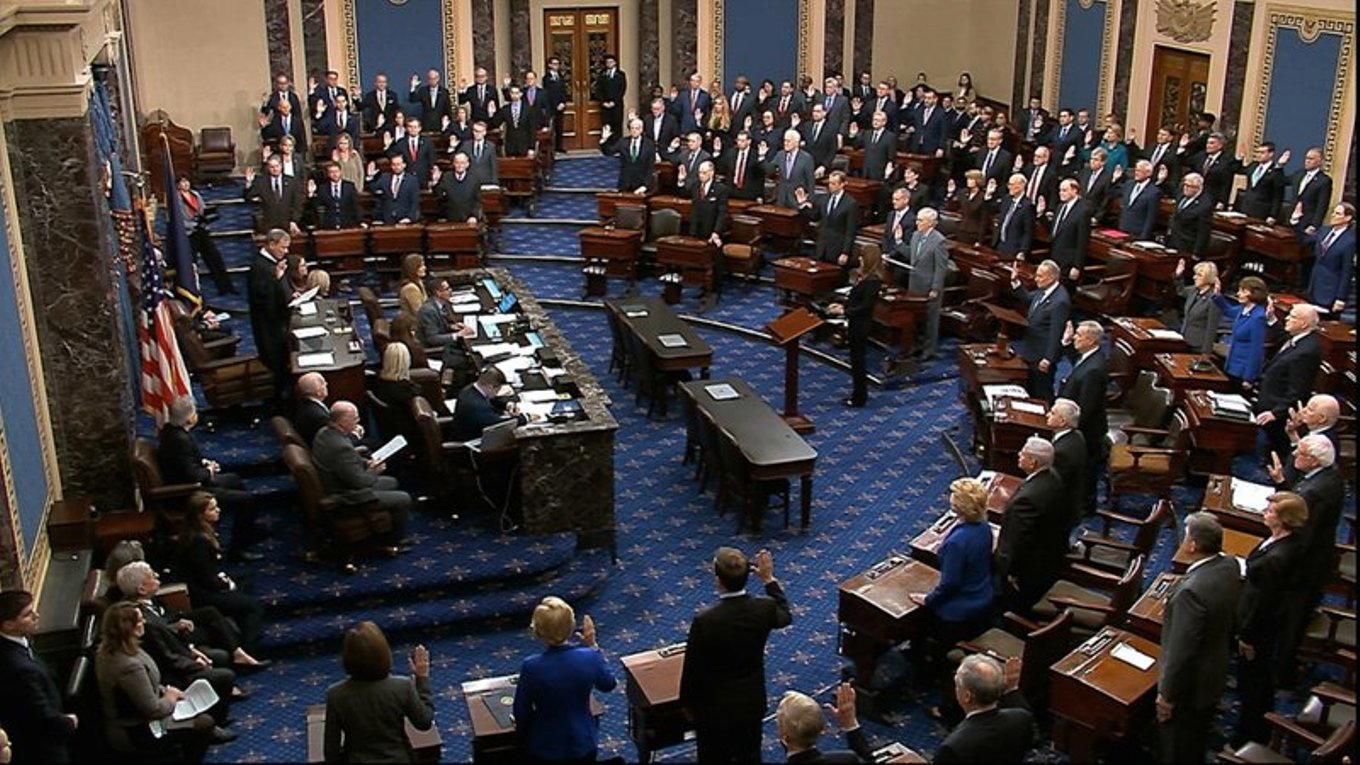
The US Senate has approved a two-year extension of the African Growth and Opportunity Act (AGOA), allowing eligible sub-Saharan African countries to maintain duty-free access to the US market until December 2028. The extension was passed with a significant margin, garnering 90 votes in favor and only 6 against. This development is expected to bring relief to several countries, including Nigeria, which has been a key beneficiary of the AGOA program.
The extension of AGOA is seen as a major boost for trade relations between the US and Africa. The act, first introduced in 2000, provides duty-free access to the US market for over 6,400 products from eligible African countries. This has enabled these countries to increase their exports to the US, contributing significantly to their economic growth.
The extension of AGOA is a testament to the strong bipartisan support for trade relations with Africa in the US Congress. The Senate's approval of the extension comes after several years of negotiations between the US and African countries, which have been seeking an extension of the program.
Legal Context
The AGOA program is a key component of the US trade policy towards Africa. It was first introduced in 2000 as part of the Trade and Development Act, with the aim of promoting economic growth and development in sub-Saharan African countries. The act provides duty-free access to the US market for over 6,400 products from eligible African countries, including textiles, agricultural products, and manufactured goods.
The AGOA program has been extended several times since its introduction, with the previous extension expiring on December 31, 2025. The current extension, which will run until December 2028, is seen as a major relief for countries that rely heavily on exports to the US market. The extension also underscores the importance of trade relations between the US and Africa, which have been growing steadily over the years.
The AGOA program has several eligibility criteria, including a requirement that participating countries must be signatories to various international trade agreements, such as the World Trade Organization (WTO) Agreement on Textiles and Clothing. Countries must also demonstrate progress towards meeting certain economic and governance standards.
Why It Matters
The extension of AGOA has significant implications for countries that rely heavily on exports to the US market. The duty-free access provided by the program enables these countries to increase their exports, contributing significantly to their economic growth. The extension also underscores the importance of trade relations between the US and Africa, which have been growing steadily over the years.
For businesses operating in Africa, the extension of AGOA presents opportunities for increased exports to the US market. Companies that are eligible to participate in the program can take advantage of the duty-free access to increase their sales and revenue. However, they must also ensure compliance with the various regulations and requirements associated with the program.
Practical Implications
Lawyers advising clients on African trade should note the extended AGOA duty-free period, which may impact import/export strategies and compliance with US trade regulations.
Source
How does this affect you?
Get an AI analysis of this article grounded in your jurisdictions, practice areas, and any policy documents you've uploaded to Wansom.
Wansom is AI and can make mistakes.