
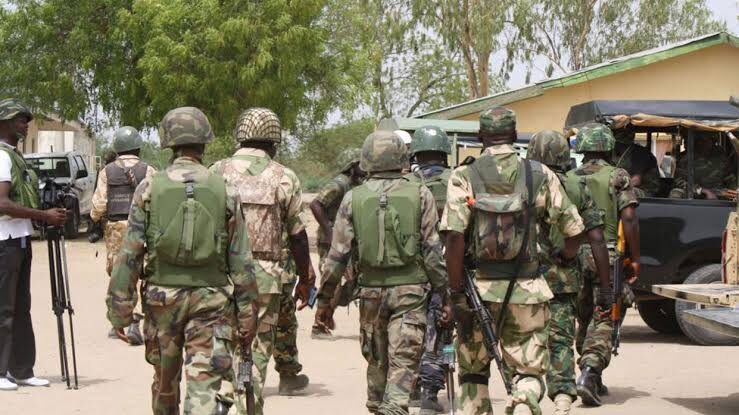
US Designates Nigeria: Child Soldier Recruitment Identified
Summary
- The United States has listed Nigeria among countries that permit the recruitment of child soldiers.
- This designation places significant pressure on the Nigerian government.
- The pressure aims to make Nigeria address concerns regarding child recruitment.
- Nigeria is also expected to demonstrate compliance with international standards.
- These international standards focus on the protection of children in armed conflict.
What Happened
The formal designation by the United States immediately exerts substantial pressure on the Nigerian government.
The United States government has formally identified Nigeria as one of the countries that permits the recruitment of child soldiers. This significant designation, issued by American authorities, places Nigeria on a specific list that highlights nations where the involvement of minors in armed groups is a recognized issue. The inclusion of Nigeria on this roster signals a direct concern from the US regarding the country's adherence to global norms for child protection in conflict situations.
This official listing by the United States is a declarative statement about the conditions observed within Nigeria concerning the enlistment of children. It indicates that the US has determined that circumstances exist within the nation that allow for, or do not adequately prevent, the recruitment of individuals under the age of majority into military or paramilitary roles. The act of placing Nigeria on this particular list serves as a formal diplomatic step to draw attention to these specific human rights challenges.
Legal and International Context
The decision by the United States to include Nigeria on its list of countries permitting child soldier recruitment directly invokes the framework of international legal and humanitarian standards. These global benchmarks are specifically designed to ensure the robust protection of children during periods of armed conflict. They establish clear prohibitions against the recruitment, conscription, or use of individuals under the age of 18 in any form of hostilities, aiming to safeguard their innocence and future.
Compliance with these international standards is a fundamental expectation for all sovereign states, and the US listing underscores Nigeria's obligations in this regard. The international community has developed a comprehensive body of law, including various treaties and conventions, that outline the responsibilities of governments to prevent child recruitment and to demobilize and reintegrate any children who have been involved in armed groups. This US action serves as a pointed reminder of these critical commitments and the global scrutiny that accompanies any perceived deviation from them.
Pressures and Expected Response
The formal designation by the United States immediately exerts substantial pressure on the Nigerian government. This diplomatic and political pressure is specifically directed at compelling Abuja to proactively address the deeply entrenched concerns surrounding the recruitment of children into armed forces and other groups operating within its borders. The expectation is that the Nigerian administration will not merely acknowledge these issues but will implement tangible measures to rectify the situation.
Furthermore, beyond simply addressing the existing concerns, the US listing places an imperative on the Nigerian government to actively demonstrate its full compliance with established international standards. This requires more than just verbal assurances; it necessitates concrete actions and verifiable evidence that Nigeria is upholding its commitments to the protection of children in armed conflict. The need to exhibit clear and sustained adherence to these global norms becomes a central focus for Nigeria's foreign policy and domestic human rights agenda in the wake of this US action.
Practical Implications
Lawyers advising the Nigerian government or international organizations should monitor the government's response to this US listing, as it signals increased scrutiny and potential diplomatic or economic pressure related to human rights compliance and the protection of children in armed conflict. This could lead to new policy directives or enforcement actions.
Source
How does this affect you?
Get an AI analysis of this article grounded in your jurisdictions, practice areas, and any policy documents you've uploaded to Wansom.
Finish Reading the Full Story and the Expert Analysis.
Get the latest legal & regulatory intelligence in Nigeria
Wansom is AI and can make mistakes.