
US Lawyers Warned: Venezuela Earthquake Missing Persons Toll Unclear Due to Census Data Shortfalls
Summary
- Two earthquakes struck Venezuela on June 24, resulting in over 6,000 confirmed deaths.
- Thousands of people remain unaccounted for, with estimates ranging from 10,000 to 44,418.
- The lack of official information and outdated census data has made it difficult to track missing persons.
- Discrepancies in statistics have significant implications for humanitarian aid programs and access to relevant information.
What Happened
In disasters of this magnitude, it always happens that some people are not found and remain missing,
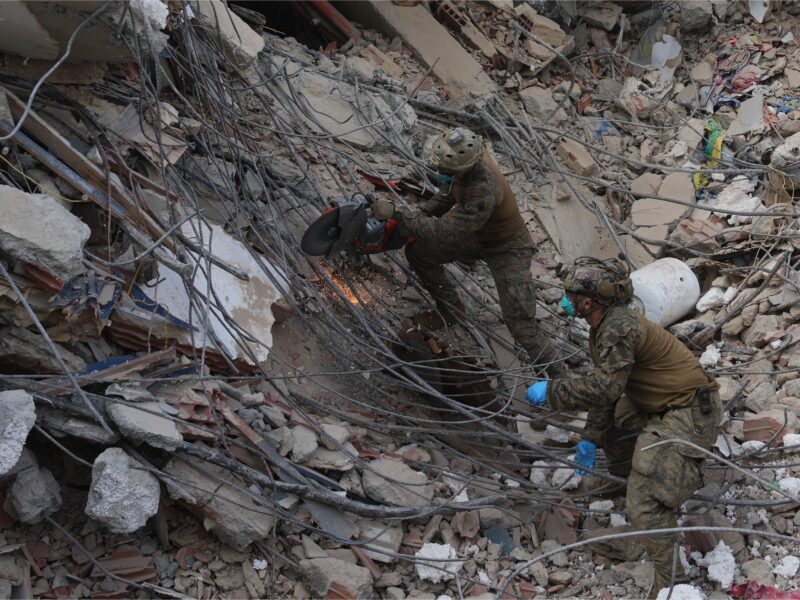
Two devastating earthquakes struck Venezuela on June 24, leaving a trail of destruction and chaos in their wake. The twin disasters resulted in over 6,000 confirmed deaths, with thousands more still unaccounted for. In the aftermath of the disaster, families have been left searching for loved ones beneath the rubble, often in desperate limbo. Despite efforts from volunteers and rescue teams, the lack of official information has made it difficult to track the number of missing persons.
Relevant Legal/Regulatory Context
The challenges of tracking missing persons in disaster zones like Venezuela's are compounded by the country's outdated census data. The last census was conducted in 2011, and the economic and political crises since then have prevented another from being conducted. This lack of demographic information has made it difficult for authorities to provide accurate statistics on the number of missing people. Furthermore, the government's reluctance to release demographic or economic statistics has added to the uncertainty surrounding the disaster's impact.
Why It Matters
The discrepancies in official statistics and the challenges of tracking missing persons have significant implications for humanitarian aid programs and access to relevant information. Lawyers and compliance officers should be aware of these issues, as they may impact their clients' ability to navigate complex aid programs or access vital data. The situation highlights the need for more accurate and transparent reporting in disaster zones, particularly when it comes to demographic information.
Practical Implications
Lawyers and compliance officers should be aware of the potential for discrepancies in official statistics and the challenges of tracking missing persons in disaster zones, which may impact their clients' ability to navigate complex humanitarian aid programs or access relevant information.
Source
How does this affect your business?
Get an AI analysis of this article grounded in your jurisdictions, practice areas, and any policy documents you've uploaded to Wansom.
Wansom is AI and can make mistakes.