
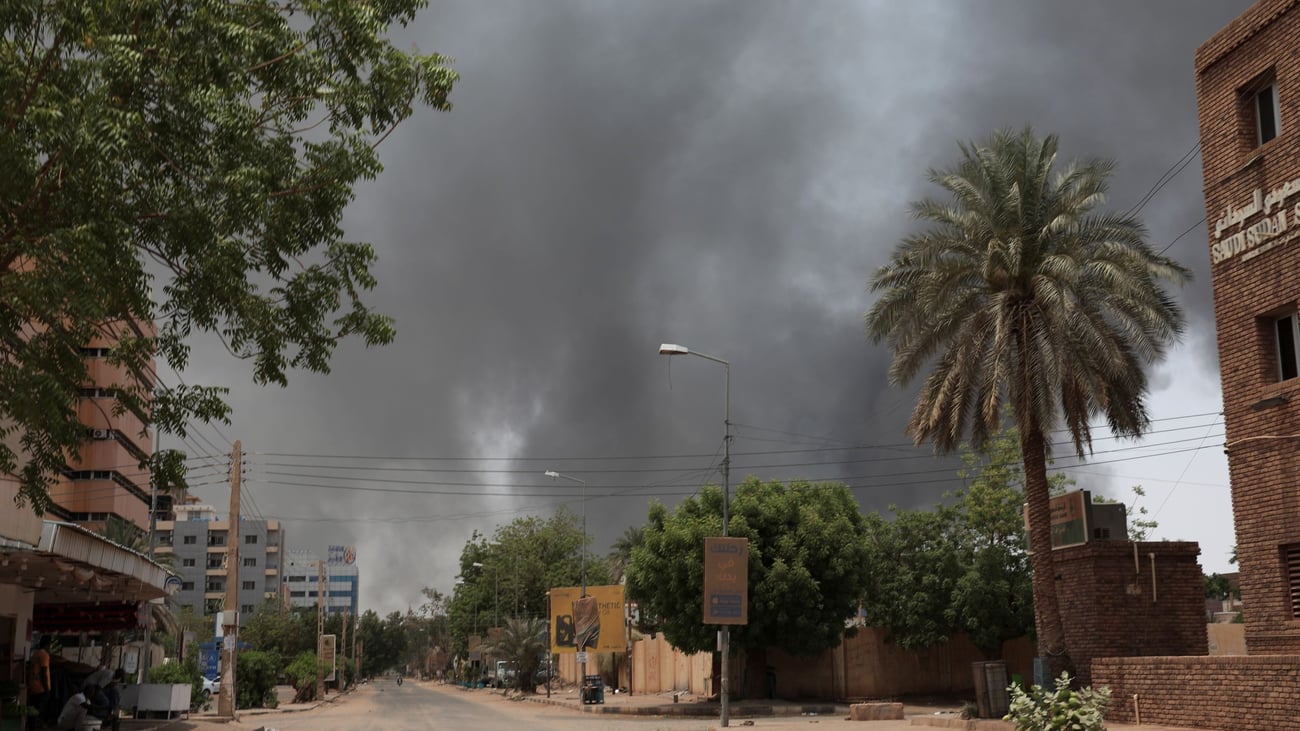
US Lawyers Warn of War Crimes Risks in Sudan Conflict as RSF Drone Strikes Continue
Summary
- The conflict between the Sudanese military and the Rapid Support Forces (RSF) has been ongoing since April 2023, with both sides accusing each other of atrocities.
- The RSF has launched a multipronged offensive against army-controlled cities, including drone strikes that killed two people in El-Obeid.
- Aid workers estimate over 200,000 people have been killed in the conflict, which has caused widespread destruction and displacement.
- The United Nations has described the situation as a 'war of atrocities,' and accusations of war crimes, including genocide, have been made against the RSF, with its leader Mohamed Hamdan Daglo having been sentenced to death in absentia by a Sudanese court in July 2026 for war crimes and other charges.
Escalating Conflict in Sudan
The conflict has also led to accusations of war crimes, including genocide, against the RSF, with its leader Mohamed Hamdan Daglo having been sentenced to death in absentia by a Sudanese court in July 2026 for war crimes and other charges.
The conflict between the Sudanese military and the Rapid Support Forces (RSF) has been ongoing since April 2023, with both sides accusing each other of atrocities. The RSF, led by Mohamed Hamdan Daglo, has launched a multipronged offensive against army-controlled cities, including drone strikes that killed two people in El-Obeid. The attacks have caused widespread destruction and displacement, with aid workers estimating over 200,000 people have been killed in the conflict. The United Nations has described the situation as a 'war of atrocities.'
The RSF's push to seize territory in Kordofan and along the southeastern Ethiopian border has been met with resistance from the army, which holds the country's center, north, and east. The two sides have struggled to hold control over key areas, including El-Obeid's northern axis.
The conflict has also led to accusations of war crimes, including genocide, against the RSF, with its leader Mohamed Hamdan Daglo having been sentenced to death in absentia by a Sudanese court in July 2026 for war crimes and other charges. The United Arab Emirates (UAE) has denied reports that it backs the RSF, while Ethiopia has been accused of harboring RSF fighters with UAE support.
Legal and Regulatory Context
The conflict in Sudan raises concerns about potential war crimes and humanitarian crises. Lawyers and compliance officers should be aware of the escalating situation and consider advising clients on the risks associated with doing business in the region. The RSF's actions, including drone strikes and ground attacks, may violate international humanitarian law.
The conflict has also led to a significant displacement crisis, with over 200,000 people estimated to have been killed. Aid workers are struggling to provide assistance to those affected by the conflict. The situation is further complicated by the porous border between Sudan and Ethiopia, which has become a key supply line for the RSF.
The UAE's alleged support for the RSF raises questions about its compliance with international law and potential sanctions. Lawyers should be aware of these developments and consider advising clients on how to navigate the complex regulatory landscape.
Why It Matters
The conflict in Sudan has significant implications for businesses operating in the region. The escalating situation raises concerns about potential war crimes, humanitarian crises, and increased risks for companies doing business there. Lawyers and compliance officers should monitor developments closely and consider advising clients on how to mitigate these risks.
The situation also highlights the need for greater transparency and accountability from governments and international organizations. The RSF's actions, including drone strikes and ground attacks, may violate international humanitarian law, and those responsible must be held accountable.
In addition, the conflict underscores the importance of robust compliance programs and risk assessments for companies operating in high-risk regions. Lawyers should work closely with clients to develop effective strategies for navigating complex regulatory landscapes and minimizing exposure to potential risks.
Practical Implications
Lawyers and compliance officers should be aware of the escalating conflict in Sudan, which may lead to increased humanitarian crises and potential war crimes. They should monitor developments and consider advising clients on the risks associated with doing business in the region.
Source
Source: Original reporting via AFP
How does this affect you?
Get an AI analysis of this article grounded in your jurisdictions, practice areas, and any policy documents you've uploaded to Wansom.
Wansom is AI and can make mistakes.