
US Judge: No Warrantless Arrests for Immigrants Without Probable Cause
Summary
- Federal judge in Los Angeles tentatively indicates she will issue a preliminary injunction against ICE's warrantless arrest policy.
- At least four other federal judges have issued similar preliminary injunctions across the country.
- Critics argue that ICE agents are disregarding the requirement for probable cause and flight risk assessment before making an arrest without a warrant.
- The case highlights ongoing debate over immigration enforcement policies and procedures, including the impact on local communities and immigrant rights.
Warrantless ICE Arrests Face New Challenge
But Congress authorized immigration officers to make civil immigration arrests without a warrant only where they have probable cause to believe that the person is both unlawfully present and likely to escape before a warrant can be obtained
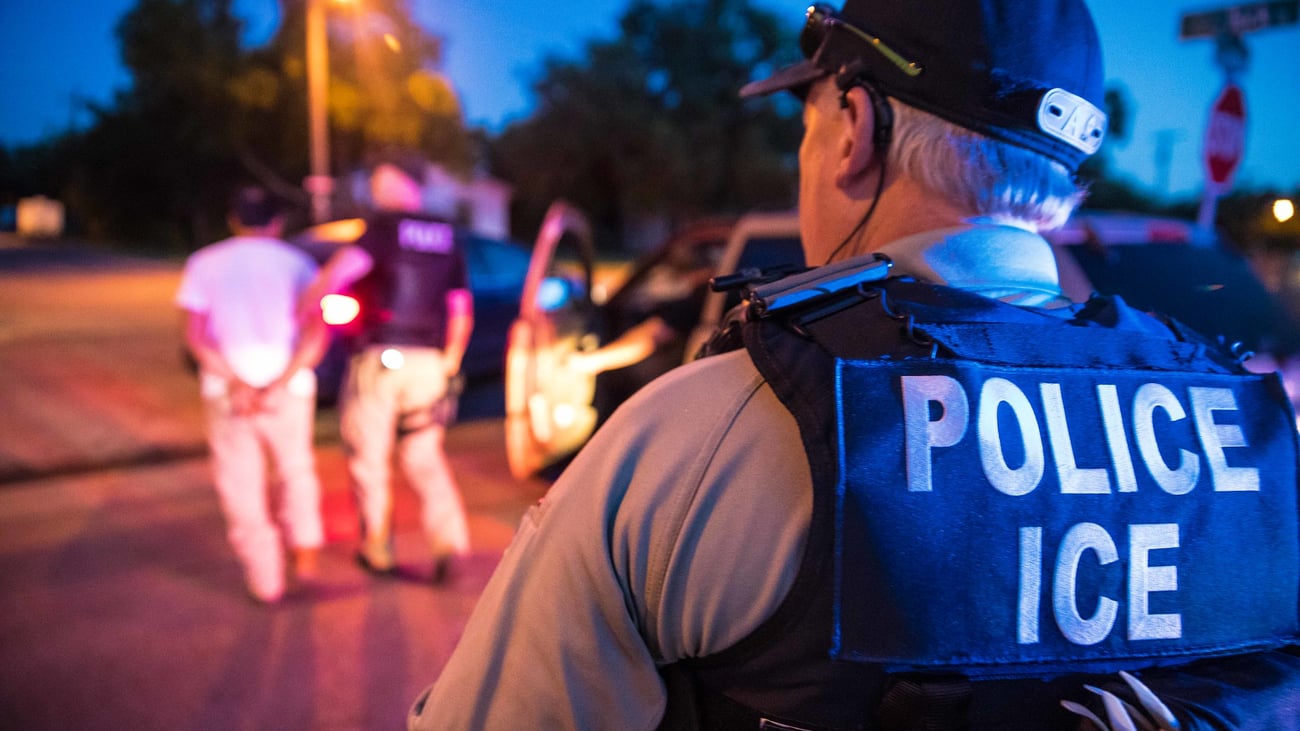
A federal judge in Los Angeles has tentatively indicated she will issue a preliminary injunction against U.S. Immigration and Customs Enforcement (ICE) agents to halt warrantless arrests of people believed to be in the country without authorization, unless there is an assessment made whether they are likely to escape. This move comes as part of a growing trend of similar rulings by federal judges across the country. At least four other judges have issued preliminary injunctions against ICE's warrantless arrest policy, which critics argue disregards the requirement that immigration officers must have probable cause to believe a person is both unlawfully present and likely to escape before making an arrest without a warrant.
The American Civil Liberties Union (ACLU) brought the lawsuit on behalf of immigrant rights advocates, arguing that ICE agents were targeting Latinos in working-class neighborhoods and making illegal stops and warrantless arrests to boost arrest numbers. The ACLU cited a January memo by former Acting ICE Director Todd Lyons that permits warrantless arrests of anyone unlawfully present simply because they are in public, in transit, or unlikely to stand idle while officers obtain a warrant.
The judge's tentative ruling also granted the plaintiffs' request to proceed as a class action, which could potentially impact thousands of individuals who have been subject to ICE's warrantless arrest policy.
Relevant Legal and Regulatory Context
The issue at hand revolves around the Fourth Amendment rights of immigrants in the United States. The ACLU argues that ICE agents are disregarding the requirement that immigration officers must have probable cause to believe a person is both unlawfully present and likely to escape before making an arrest without a warrant. This argument is supported by a January memo by former Acting ICE Director Todd Lyons, which permits warrantless arrests of anyone unlawfully present simply because they are in public, in transit, or unlikely to stand idle while officers obtain a warrant.
The case also highlights the ongoing debate over immigration enforcement policies and procedures. The Trump administration's mass deportation campaign continues to be criticized for its impact on local communities and the rights of immigrants. This ruling could potentially influence current and future policy decisions.
At least four other federal judges have issued similar preliminary injunctions against ICE's warrantless arrest policy, including in Oregon, Colorado, Washington DC, and Sacramento. These rulings demonstrate a growing trend of judicial scrutiny over ICE's enforcement practices.
Why It Matters
The implications of this ruling are far-reaching and could potentially impact thousands of individuals who have been subject to ICE's warrantless arrest policy. Lawyers should be aware of the potential changes to ICE's arrest policies and procedures, as well as the impact on their clients' Fourth Amendment rights. The case also highlights the ongoing debate over immigration enforcement policies and procedures, and the need for clear guidelines and regulations to ensure that immigrant rights are protected.
The ruling could potentially influence future policy decisions and shape the direction of immigration enforcement in the United States. As the legal landscape continues to evolve, it is essential for lawyers to stay informed about the latest developments and adapt their practice accordingly.
Practical Implications
Lawyers should watch for potential changes to ICE's arrest policies and procedures, as well as the impact of this ruling on their clients' Fourth Amendment rights. They may need to advise clients on how to navigate these developments and ensure compliance with evolving immigration laws.
Source
Source: Original reporting via CN
How does this affect you?
Get an AI analysis of this article grounded in your jurisdictions, practice areas, and any policy documents you've uploaded to Wansom.
Wansom is AI and can make mistakes.